


Congo’s Cruel Lottery: Experimental Hope Emerges Amidst Chronic Despair
POLICY WIRE — Beni, Democratic Republic of Congo — They’ve seen it all here, in eastern Congo. Wars, militias, epidemics, the silent bleed of resource exploitation, and now, another...

POLICY WIRE — Beni, Democratic Republic of Congo — They’ve seen it all here, in eastern Congo. Wars, militias, epidemics, the silent bleed of resource exploitation, and now, another medical cavalry riding into a humanitarian quagmire. People call it hope, but for the hardened residents of Beni and surrounding territories, it feels more like a cruel lottery ticket—an experimental gambit played out on a stage set by generations of neglect.
It isn’t some fresh crisis, not truly. This land has been wrestling with Ebola for decades, and before that, other sicknesses, alongside an endless procession of violence. But a fresh trial, focusing on new therapeutic treatments, has started, pushing the familiar narrative of despair to make a little room for something else. Locals have had to put their trust in strangers wielding needles and complex medical jargon for ages—sometimes for their benefit, often not, they suspect.
And so, into this volatile stew, an international consortium of researchers and aid organizations rolls out their new approach. This isn’t just about medicine; it’s about re-establishing a semblance of faith where cynicism runs thick as the jungle air. They’re testing new therapies, hoping to turn the tide against a disease that kills so many and devastates entire communities. It’s an uphill battle, naturally. Because distrust isn’t born overnight. It’s etched into the very soil.
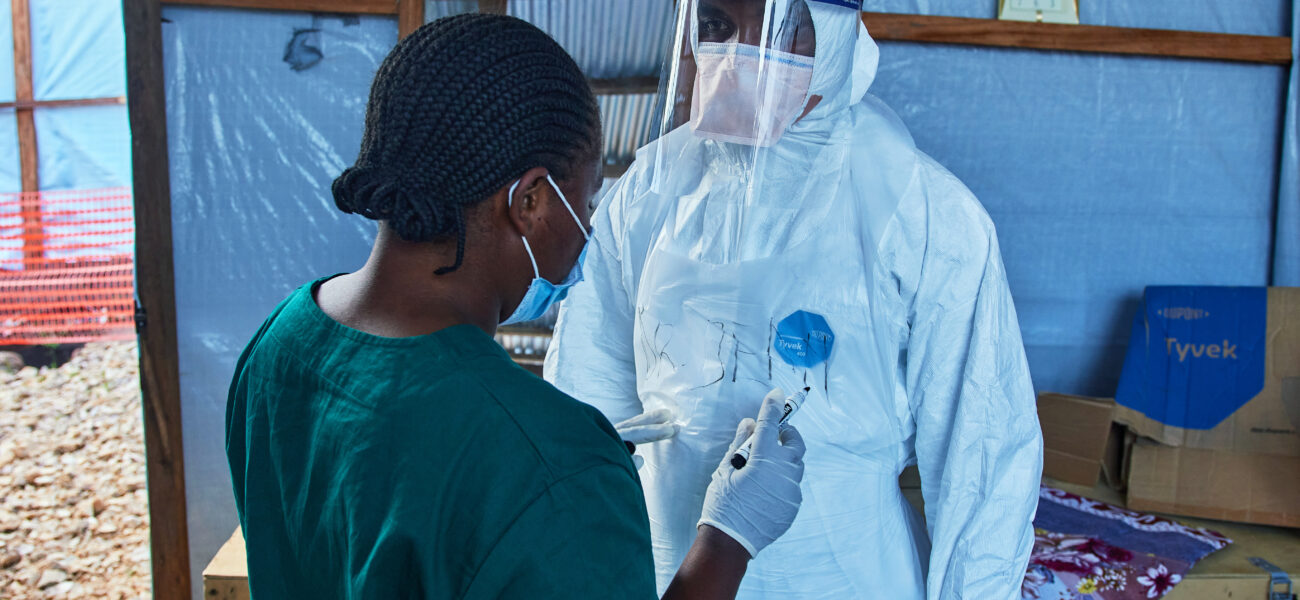
One villager, having lived through multiple outbreaks and countless failed promises, articulated a sentiment heard across the region, albeit quietly: [QUOTE_PLACEHOLDER]. They’re not naive here. They understand the difference between a new drug and true peace, between a clinical trial and a functioning healthcare system that doesn’t collapse at the first sign of trouble. The trial, they say, focuses on two new agents, mAB114 — and REGN-EB3, designed to target the Ebola virus directly. These compounds are essentially lab-engineered antibodies, acting like tiny, specialized soldiers meant to disarm the invading pathogen. A previous, less successful approach was halted because of data indicating better performance from these two newer drugs.
Healthcare workers, some of them local heroes who’ve buried more than their share of friends and family, move through clinics, explaining the procedures. They speak in hushed tones about the complexities of informed consent when desperation colors every decision. It’s heavy, serious work. The international medical establishment, for its part, says the current trial’s primary objective is to assess the effectiveness and safety of multiple investigational agents
. It sounds sterile, clinical. But on the ground, it’s visceral: life or death.
For context, consider that the Democratic Republic of Congo, according to data from the World Bank, ranks 175th out of 189 countries on the Human Development Index, a stark reminder of the systemic challenges plaguing the nation long before any viral outbreak. This isn’t a rich country, not in any way that benefits its citizens. But it’s rich in other things—minerals, natural beauty, and a resilience that defies logic.
It’s this chronic instability that makes any public health initiative a minefield. Community engagement isn’t just a buzzword; it’s the fragile, oft-broken bridge between life — and death. And without that trust, even the most effective medications are just expensive chemicals. We’ve seen similar hurdles plague vaccination efforts in places like Pakistan’s Federally Administered Tribal Areas (now merged into Khyber Pakhtunkhwa), where suspicion of Western-backed health campaigns often stems from decades of political mistrust and clandestine operations.
📄 POLICY WIRE WHITEPAPER PUBLISHED: PAKISTAN'S NATIONAL SECURITY POLICY PRIORITIES
👉 READ BY CLICKING HEREBecause, ultimately, a pill or an injection can cure a body, but it can’t mend a shattered society or a history of feeling forgotten. These trials offer a flicker of technical hope, yes. But the broader ailment isn’t just viral; it’s structural. People know they’re not just fighting a pathogen; they’re fighting for agency, for recognition, for a future that isn’t dictated by the latest global health emergency or the next skirmish.
These folks here, they don’t want a permanent research laboratory; they want peace, running water, and functional hospitals. They want doctors who stay, not those who jet in — and out with briefcases full of questions and clinical trials. Their struggle mirrors the silent grief in the West Bank, where lack of basic amenities and systemic blockades overshadow medical breakthroughs. It’s the same old tune, just a different backdrop.
What This Means
The commencement of this Ebola treatment trial in eastern DRC isn’t just a medical story; it’s a searing indictment of global health inequities and the fragile geopolitics of post-conflict regions. From a policy standpoint, it highlights the Faustian bargain often presented to populations ravaged by war and disease: accept experimental treatment, often funded and conducted by foreign entities, or face potentially worse outcomes. The political implications are immense.
First, it entrenches a narrative of external dependence. While necessary, it stunts the development of robust, self-sufficient local health infrastructure. Economically, these trials, while bringing some resources, are often temporary infusions rather than sustainable investments. They don’t build long-term capacity or address the root causes of public health failures—namely, poverty, instability, and a government struggling with legitimacy and control over its own territory. It’s a temporary bandage on a festering wound, you know? But this bandage, if successful, offers a temporary shield for a population perpetually on the brink. But then what?
the trial’s success or failure will inevitably be politicized, affecting future aid flows and public perception of both the region and international humanitarian efforts. A breakthrough could be hailed as a triumph of collaboration; a setback could fuel existing distrust, exacerbating vaccine hesitancy and resistance to future interventions. We’re talking about the global North deciding the future of the global South’s health, often without adequate attention to local sensitivities and geopolitical contexts. And the ‘aid-for-influence’ dynamics, not dissimilar to Beijing’s overtures in Dhaka, complicate the ethical landscape. These are never simple humanitarian acts; they always come with invisible strings. We’d do well to remember that.