

Cross-Channel Blues: How Surging Costs Imperil European Connectivity and Echo Global Economic Straits
POLICY WIRE — Plymouth, UK — The summer dream, for countless British and French holidaymakers, just got a shade more complicated. No grand pronouncements, no dramatic declarations —...

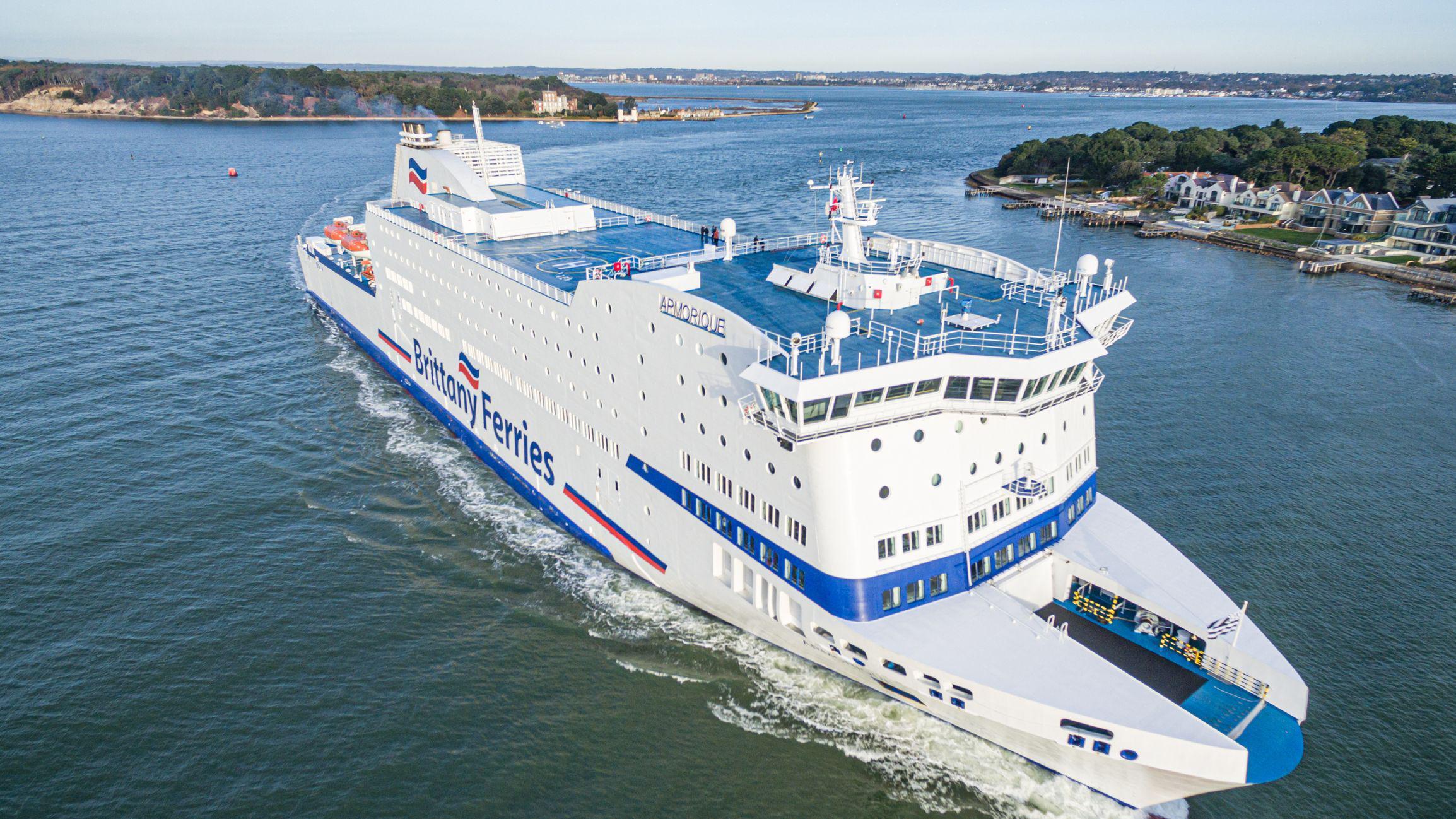
POLICY WIRE — Plymouth, UK — The summer dream, for countless British and French holidaymakers, just got a shade more complicated. No grand pronouncements, no dramatic declarations — just the quiet, almost clinical withdrawal of services. It’s how modern economies often signal distress: with fewer options, higher prices, and a palpable sense that things just aren’t what they used to be. For Brittany Ferries, a household name for cross-Channel travel, this means cutting key routes. It’s a corporate shrug in the face of what amounts to an inflationary gale, and it hints at a deeper, more unsettling truth about Europe’s — and indeed, the world’s — economic fragility.
It wasn’t a sudden storm; the clouds gathered slowly. Operators across the maritime sector have been grumbling for months, sometimes years, about the escalating costs of nearly everything. From crew wages to maintenance, but most acutely, the relentless climb in bunker fuel prices. They’ve hit unprecedented levels, squeezing margins to a whisper. It’s tough out there. And when the price of getting from A to B fundamentally changes, something’s gotta give. This time, it’s frequency — and connectivity.
Take the routes from Poole to Cherbourg — and Saint-Malo, or Plymouth to Roscoff. They’re not just lines on a map; they’re lifelines for regional tourism, freight, and families trying to bridge the gap between two nations. But commercial viability, unfortunately, doesn’t always align with sentimental attachment or societal need. It’s a brutal calculation. Because the cost of Very Low Sulphur Fuel Oil (VLSFO), the industry standard, has soared by over 50% since early 2021, according to Statista data tracking global bunker fuel prices.
“Look, we’re not running a charity. The brutal truth is that bunker fuel isn’t just expensive; it’s volatile,” stated Alexis Coiffard, CEO of Brittany Ferries, in a recent, somewhat exasperated virtual press briefing. “You’ve got to make choices—tough ones, unpopular ones—if you want to keep the lights on and the essential links intact. It’s about ensuring the company can weather this storm, not just for us, but for the tens of thousands who rely on our services year-round.”
This isn’t just about French ports — and British shores, either. This same brutal arithmetic plays out globally, especially in regions heavily reliant on sea lanes. Think about nations like Pakistan. They’re grappling with their own crushing economic woes, where even minor fluctuations in global shipping costs can have catastrophic downstream effects on import prices, commodity availability, and general consumer purchasing power. Rising transport costs become another layer of taxation on an already struggling populace, exacerbating inflation and impacting everything from food prices to construction materials. This interconnectedness is often overlooked by those debating localized route cuts.
On the UK side, there’s concern, but also a practiced detachment. “While regrettable, we recognise the difficult commercial decisions companies must make,” a spokesperson for the UK Department for Transport, who preferred not to be named directly on ‘commercial specifics,’ told Policy Wire. “Our focus remains on securing alternative solutions and ensuring vital supply chains for goods and tourism aren’t irreparably damaged.” It’s a statement that rings true — in theory, anyway. In practice, finding those ‘alternative solutions’ often means longer drives, more expensive options, or simply not going.
And let’s be frank: the wider geopolitical picture isn’t helping. The energy markets, perpetually twitchy, have been rocked by conflicts and shifting alliances in regions from Ukraine to the Middle East. It’s not just about one company’s balance sheet; it’s about a global supply chain creaking under immense pressure. We’re living through an era where a missile strike on an oil tanker thousands of miles away can directly translate into a higher ticket price for a family vacation to France.
What This Means
The reduction in Brittany Ferries services carries more weight than simple timetable changes. Economically, it signifies the end of cheap, convenient cross-Channel travel – at least for the foreseeable future. This hits regional economies, particularly those reliant on tourism from the UK — and freight transport. For smaller businesses, finding alternative shipping routes can add significant costs and logistical headaches, potentially driving up prices for consumers or, worse, leading to closures. The broader political implication is a weakened sense of European connectivity, especially post-Brexit, where every hurdle feels magnified. Governments, despite their ‘understandings,’ now face a tougher challenge in ensuring robust trade and social links. It pushes both passengers — and cargo onto more congested and carbon-intensive air or road routes. In essence, it’s a small crack in the dam, but one that exposes the intense pressure on an infrastructure we’ve largely taken for granted, forcing us to reckon with the real cost of global volatility. The question isn’t just about getting across the Channel anymore; it’s about how fragile our entire transport web truly is when push comes to inflation’s shove.
This situation also reflects a global phenomenon: the rising cost of transport, impacting every sector from agriculture to electronics. In places far removed from the English Channel, this translates directly into food insecurity, delayed goods, and rising poverty. The problem isn’t isolated. It’s a symptom of a larger, global ailment – one where stable, affordable movement of goods and people is becoming a luxury, not a given.
For ferry companies, their struggles often serve as a sort of early warning system for the broader economy. If they can’t make routes profitable, if they’re cutting back, it’s not just about them. It’s about all of us, living on tighter budgets, and finding our horizons, both literal and metaphorical, subtly but irrevocably shrinking. And that’s a far more expensive prospect than any ferry ticket ever was.