

Shadows of Scarcity: Russia’s Fuel Lines Spark Nostalgia for Unwanted Era
POLICY WIRE — Moscow, Russia — History, it seems, has a morbid sense of humor. Or maybe it just enjoys repeating itself, particularly when states prefer denial to reality. We often speak of forward...

POLICY WIRE — Moscow, Russia — History, it seems, has a morbid sense of humor. Or maybe it just enjoys repeating itself, particularly when states prefer denial to reality. We often speak of forward marches, of progress that renders old troubles quaint, but in the heart of what’s meant to be a modern petro-state, queues for basic necessities are staging a comeback. Not for bread, this time. For gasoline.
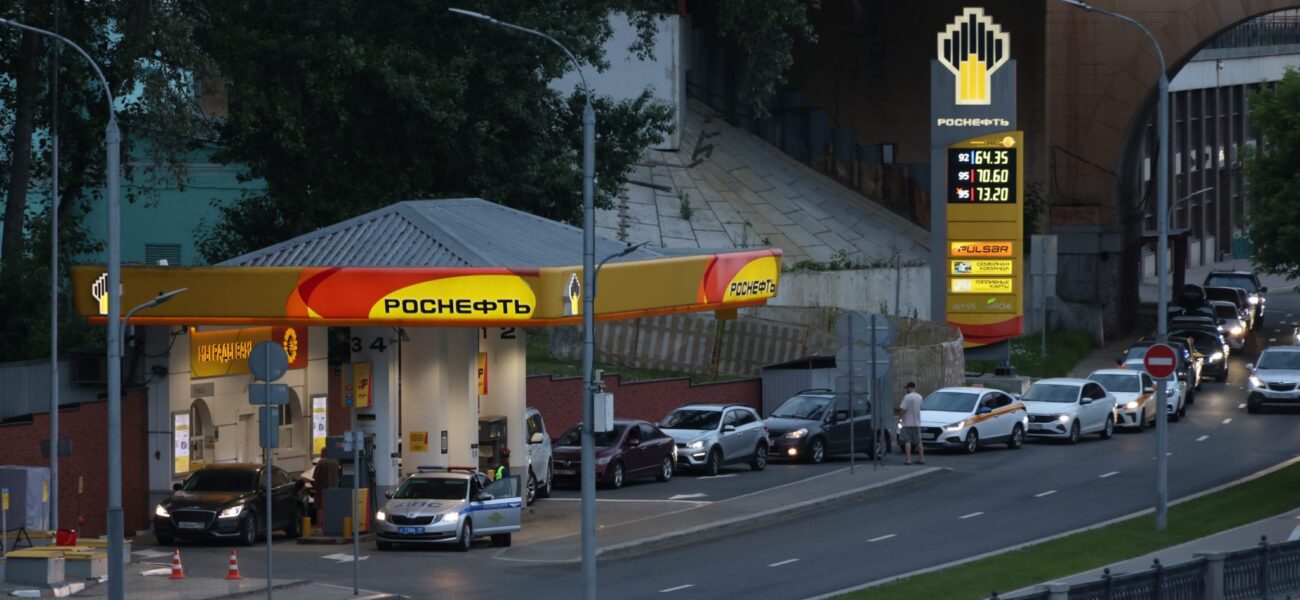
It’s not just a statistic, you know, these sprawling lines. It’s individual lives. Think about a mother, cradling her infant, spending eighteen excruciating hours just for a few liters of fuel. You can’t make that up. And frankly, who’d want to? This isn’t some backwater town; it’s within spitting distance of Moscow, not in some forgotten corner of the vast Siberian expanse. And as this weary parent stood her watch, undoubtedly freezing in the autumn air, one thought kept bubbling up, a lament whispered into the exhaust fumes: [QUOTE_PLACEHOLDER] ‘Are we in the Soviet Union?’.
Because, well, that’s precisely what it looks like, isn’t it? For a nation that’s made its geopolitical bed—and its entire economy—on exporting oil and gas, these domestic fuel shortages are more than just an ironic twist. They’re a full-blown, existential head-scratcher. Moscow, with all its bombast about global energy dominance, now can’t seem to fuel its own commuters without them staging an unintended performance art piece about patience and privation.
This isn’t an isolated incident. Reports from across the country paint a uniform picture of service stations running dry, or selling petrol at exorbitant rates. Diesel, particularly in agricultural regions, is now more precious than gold dust—a real problem when harvests need moving. The official line? It’s a temporary snag, you know, maintenance, a tiny logistical hiccup. But the streets, they tell a different tale, one of deepening cracks in an economy struggling to reconcile its wartime ambitions with everyday realities. Russia, after all, remains one of the world’s largest crude oil producers, churning out about 10.1 million barrels per day, according to the International Energy Agency, yet struggles to get refined product to its own citizens. It’s an inconvenient truth, to say the least.
But the problem is less about what Russia produces — and more about where it sends it. International sanctions have twisted global energy flows into a pretzel, forcing Moscow to redirect its exports eastward. That means a glut of crude oil heading to markets like India and China, often at discounted prices, and fewer domestic refining incentives. Local distributors can’t compete with the profit margins of selling abroad, so they export crude rather than process it for internal use. This economic incentive structure, paired with a surge in domestic demand from both military and civilian sectors, has left the national tank on empty. It’s a classic case of shooting oneself in the foot, or perhaps, the fuel line.
📄 POLICY WIRE WHITEPAPER PUBLISHED: PAKISTAN'S NATIONAL SECURITY POLICY PRIORITIES
👉 READ BY CLICKING HEREAnd what does this mean for the larger geopolitical chessboard? Look at Pakistan, for example, another nation grappling with the fallout of global energy price volatility and its own currency woes. The thought of gas queues like these in Karachi or Lahore wouldn’t surprise anyone there, tragically. It underscores a fragile equilibrium—a world where the supposed titans of industry, whether by design or disastrous consequence, are leaving their own citizens with empty tanks and grumbling engines. This ripple effect, this creeping sense of economic instability, is exactly what keeps policymakers awake from Islamabad to Ankara. You’ve got to wonder how long a state can project strength when its own population is queuing up for essential services like it’s 1985. It just can’t last, can it?
What This Means
The protracted fuel shortages aren’t merely an economic nuisance; they’re a corrosive agent chipping away at the Kremlin’s meticulously crafted image of stability. Politically, this plays right into the hands of those who’d argue Russia’s economic foundations are shakier than advertised. For the average citizen, the personal inconvenience metastasizes into widespread discontent, reviving deeply unpleasant memories of the Soviet era’s shortages—a stark contrast to President Vladimir Putin’s promises of a revived, powerful Russia. Economically, this mess points to a critical flaw in Moscow’s energy strategy post-sanctions: prioritizing export revenues over domestic supply. The arbitrage between domestic and export prices for refined products has incentivized refiners to export more, leaving Russian drivers in the lurch. And because these domestic issues always carry international weight, it could very well mean an increasingly desperate Kremlin looking for new ways to shore up its economy, potentially by deepening its strategic alliances with countries less constrained by Western sanctions. But, even those relationships have limits. A nation that cannot reliably fuel its own transport infrastructure risks isolating itself, not just ideologically, but functionally too. It’s a grim look for any superpower, no matter how many nukes it’s got.