


Lazio’s Crisis: When Ego Destroys a Club
Lazio's 2025/26 season was a governance disaster. Discover how presidential ego and internal strife crippled the club, eroding trust and deterring investment.

POLICY WIRE — Rome, Italy — Forget the theatrical bicycle kicks or the perfectly bent curlers; the true drama unfolding at Lazio last season wasn’t on the field. Not really. While highlights reels might remember a scattering of sensational goals, what folks in the Eternal City are talking about is the stench of institutional decay, a club fractured down to its foundations.
It was a proper mess, frankly. A grim trudge through 2025/26, marred by a perpetual clash between club president Claudio Lotito and pretty much everyone else. Fans, coaching staff, even the occasional groundskeeper, it seemed—everyone was fed up. And who could blame ’em? They weren’t just losing games; they were losing face, bleeding credibility.
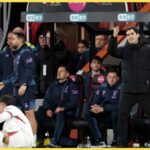
This wasn’t some grand plan gone awry; this felt like petty squabbling metastasizing into systemic failure. Maurizio Sarri, the then-head coach, apparently hadn’t pulled punches in his locker room rants. “You can’t make silk purses out of… well, out of *this*,” a close source, who preferred anonymity, reported him as saying about the squad’s quality, even before the mid-season slump truly bit. That’s probably why Sarri, by December, looked less like a football manager and more like a man contemplating early retirement to a quiet Tuscan vineyard.
And Lotito? He remained as defiant as a Roman emperor contemplating another Coliseum rebuild. “My stewardship has stabilized this club, not weakened it,” the president barked at a press briefing late last season, waving off suggestions of a squad deficient in every department. “These so-called ‘problems’ are simply the necessary growing pains of a fiscally responsible entity. Others wish they had our balance sheets.” He’s got a point, I suppose, if you ignore the glaring omission of winning silverware from the ledger.
But back to those goals, those fleeting moments of brilliance that felt less like celebrations and more like cruel cosmic jokes. Matteo Cancellieri’s double against Torino, for instance, in a match they still managed to draw 3-3. Beautiful, absolutely. But what’s a stunning brace when it’s lost in the broader narrative of profound inadequacy? Lazio notched just 41 goals across 38 league fixtures, according to official Serie A records, a pathetic return for a supposed top-tier outfit.
Gustav Isaksen’s rocket against Juventus? A genuine thunderbolt. Pedro’s elegant strike, or Luca Pellegrini’s improbable screamer? Each a dazzling individual effort that, in any other season, would be revered. Instead, they served as brightly colored flags on a ship rapidly taking on water. You saw them and for a second, just a second, you might forget the infighting, the hollow stadium, the disgruntled fanbase. But then reality crashed back in—because those goals weren’t changing the course of their miserable campaign, were they? They were just lipstick on a very sad pig.
📄 POLICY WIRE WHITEPAPER PUBLISHED: PAKISTAN'S NATIONAL SECURITY POLICY PRIORITIES
👉 READ BY CLICKING HEREEven for foreign investors, particularly from resource-rich regions always keen on a foothold in European football, Lazio had become a cautionary tale. A potential suitor from the Gulf, known for snapping up distressed assets, reportedly cooled their interest precisely because of the governance issues. It’s hard to justify pouring billions into a club when the management spends more time fighting than fostering success, you know? While other clubs might see players leaving for the higher wages offered in the Turkish Süper Lig or Saudi Pro League, Lazio found it tough to even attract serious offers for its departing talent, let alone bring in game-changers from abroad. You don’t get a lucrative ‘Silent Exit’ deal with a fractured club like that; you get a discount bin departure. Even Arsenal had more strategic foresight in moving on players.
The entire debacle screams of what happens when leadership ego eclipses organizational health. And while fans cling to memories of those top five goals, it’s the bitter taste of missed potential that lingers. It isn’t just about trophies, or even top-four finishes; it’s about a club that felt like it was actively resisting its own glory, one ill-tempered press conference and penny-pinching decision at a time.
What This Means
The Lazio saga, while ostensibly a sports story, offers a rather stark lesson in governance that resonates far beyond the pitch. It mirrors the anxieties many Italians feel about national institutions grappling with inertia and entrenched personalities. It’s the microcosm of a larger problem: when an entity, whether a football club or a regional government, prioritizes personal power struggles and perceived fiscal prudence over growth and collective ambition, the outcome is usually decline. This constant internal strife deterred not only player investment but also, crucially, external capital looking for stability—much like other sectors in Italy currently face headwinds. Disenchanted fanbases — and declining attendance directly correlate with public trust. And that, in an increasingly interconnected global economy, can swiftly become an unmanageable public relations nightmare. A club isn’t just an asset; it’s a community touchstone. When that trust erodes, whether for a sporting institution or a political party, the aftershocks are considerable, fostering broader cynicism that’s incredibly tough to reverse. Just ask anyone who’s ever tried to rebuild faith after a betrayal.