


Kremlin Cracks: Putin Admits Domestic Fuel Strain After Barrage of Ukrainian Strikes
POLICY WIRE — Moscow, Russia — Moscow’s carefully constructed narrative of an unblemished ‘special military operation’ just got a rather inconvenient dent. Not from battlefield...

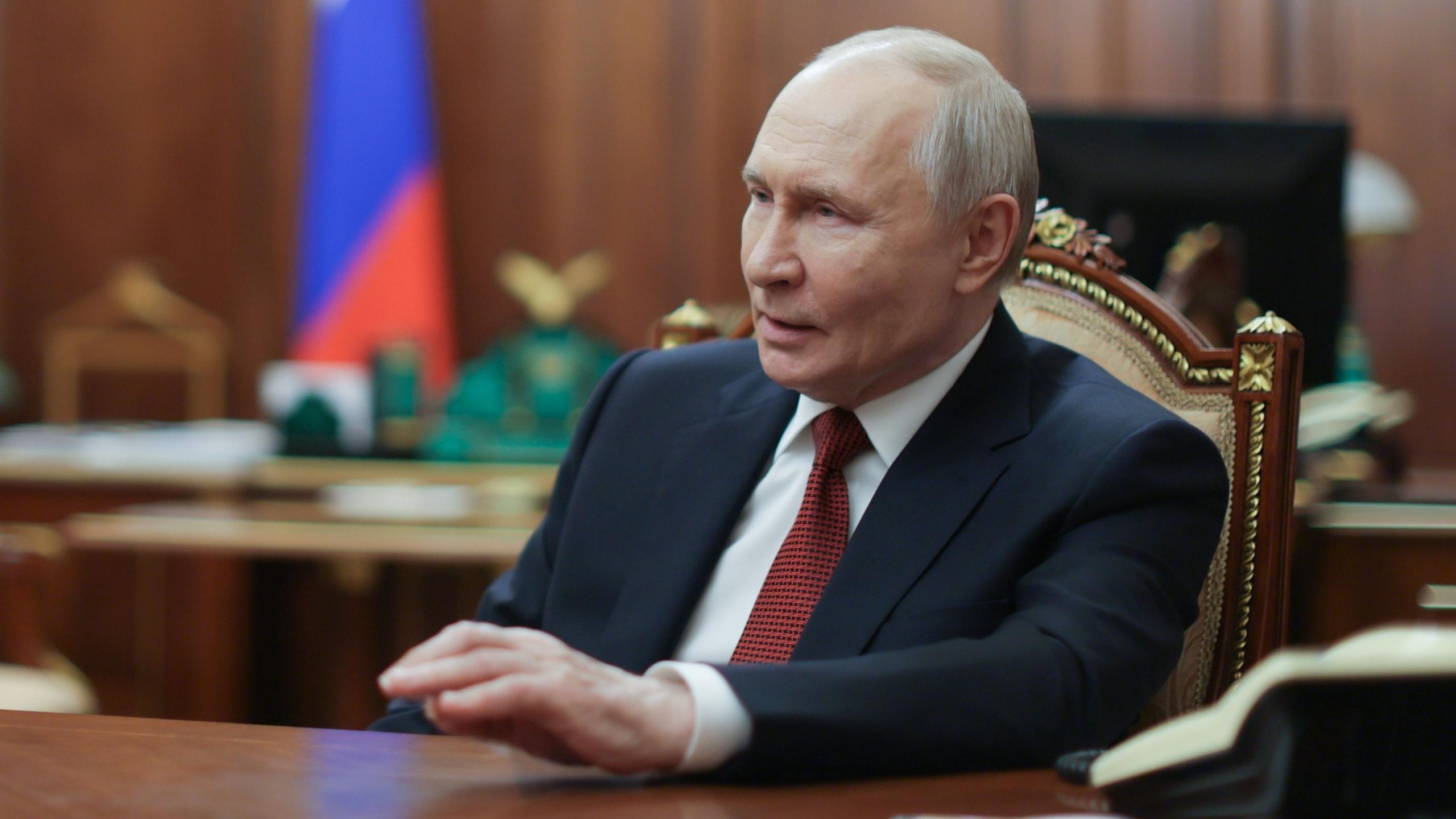
POLICY WIRE — Moscow, Russia — Moscow’s carefully constructed narrative of an unblemished ‘special military operation’ just got a rather inconvenient dent. Not from battlefield setbacks—those are consistently reframed, repackaged—but from the rather prosaic world of petroleum. Who’d have thought? It turns out even superpowers run short on gas, especially when persistent drones keep punching holes in their refineries. And Russian President Vladimir Putin himself, not known for broadcasting domestic woes, actually copped to it: fuel shortages are a thing.
It’s a peculiar kind of truth, isn’t it? For months, Kyiv’s long-range drones have been pecking at Russia’s vast oil and gas infrastructure, often hundreds of kilometers behind the front lines. The official line from the Kremlin usually skirts these attacks, portraying them as ineffective or minor nuisances. But apparently, enough nuisances stack up. Suddenly, even the president admits local economies are feeling the pinch.
“Look, managing a country, especially during… *extraordinary* times, presents its challenges,” President Putin recently commented, his voice a familiar gravelly tone as if addressing an inconvenient fly, rather than strategic infrastructure losses. “We’ve seen, yes, some temporary disruptions to fuel supply in certain regions. It’s nothing our industrious people can’t manage, but it underscores the… *irritating* efforts of our adversaries.” There’s that classic downplay, a faint nod to reality without giving the opposition too much credit.
Because, really, when was the last time the strongman of Russia had to address, publicly, the lack of petrol for his own citizenry? It’s an interesting crack in the facade. Analysts have been tracking these hits, watching the impact ripple. Estimates suggest significant percentages of Russian refining capacity have been offline at various points, and these aren’t minor repair jobs either—some facilities can take months to rebuild.
But how deep does the damage go? “When a nation, particularly one built on energy exports, admits to domestic fuel shortages, that’s not just a supply chain hiccup,” offered Dr. Evelyn Hayes, a senior energy security analyst at the Royal Institute for International Affairs. “That’s a moment. A general who admits losing ground is closer to changing tactics than one who insists on victory against all odds. Russia’s strategic depth is shallower than they’d like the world to believe.”
The situation isn’t catastrophic yet, mind you. Russia’s crude oil production averaged 9.8 million barrels per day in 2023, according to the U.S. Energy Information Administration (EIA), a significant portion of which feeds domestic refineries. Yet, even a minor crimp in distribution or refining capacity—especially in a country so dependent on road and rail transport—can create local havoc, impacting farming, industrial logistics, and just regular folk trying to get to work. And this isn’t just about the current situation, is it? It’s about perception.
The persistent Ukrainian strikes force a reconsideration of Russia’s home front resilience. This isn’t just about military targets anymore; it’s about hitting the daily rhythm, the civilian confidence in a government that prides itself on stability and strength. A steady flow of fuel—or the lack thereof—can sometimes feel more immediate, more *real*, than a distant battle. Plus, when the Kremlin acknowledges these chinks in their armor, it sort of lends credence to Kyiv’s assertions about successful targeting. You can find more insights into similar systemic vulnerabilities in Kremlin’s Thin Veil: Putin Hints at Infrastructure Woes Amidst Kyiv’s Strikes.
What This Means
This isn’t a game-changer on its own, but it’s another steady drip eroding Russian operational confidence. Economically, prolonged domestic fuel shortages could lead to localized price hikes and inflationary pressures, unsettling a population that’s been told life is largely normal despite the war. For the wider world, particularly energy-importing nations in South Asia like Pakistan, any instability in Russia’s refined product supply chain can create ripple effects in global markets, influencing everything from spot prices to long-term contracts. Pakistan, which has sought Russian crude in recent times for discounted rates, will certainly be watching any potential export diversions or pricing adjustments carefully. A constrained Russia, forced to prioritize domestic needs, simply has fewer chips to play on the global energy chessboard.
Politically, the admission offers Kyiv a potent propaganda victory. It validates their strategy of striking deep within Russia. It sends a clear message that Russia’s sheer geographic scale isn’t an impenetrable shield. But it also presents a dilemma: too much success could provoke an even more aggressive response from Moscow, as some Western policymakers fear. Nevertheless, the fact remains: for a regime built on ironclad control and the appearance of omnipotence, admitting even a sniff of weakness isn’t just news—it’s a rare, stark indicator of underlying strain.