

Australia’s Rare Earth: Global Tech, Geopolitical Shift
Australia's new rare earth discovery by Terrain Minerals reshapes global tech. This strategic find offers critical mineral supply chain diversification & boosts independence from China.

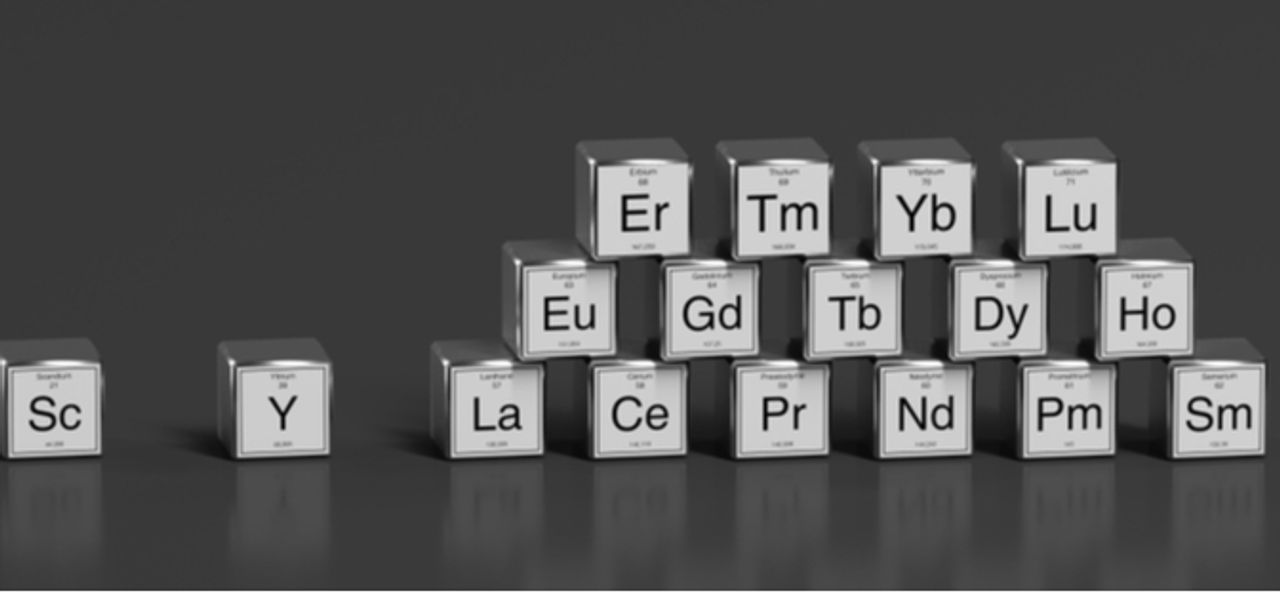
POLICY WIRE — Canberra, Australia — The quiet hum of an electric vehicle, the silent arc of a missile through the night sky, the slick touch of a smartphone—they all depend on something you rarely see: rare earth elements. These aren’t exactly ‘rare’ in the ground, but gosh, they’re tricky to get out — and process economically. The stakes are immense; for nations scrambling to secure their technological future, a fresh vein of these critical minerals isn’t just good news for a mining firm—it’s a strategic coup, a reshuffling of the global resource deck.
Down Under, a firm named Terrain Minerals has, if reports are accurate, hit something substantial. At the Lort River project in Western Australia, it’s believed they’ve unearthed what they’re calling a broad rare earth system. What does that mean for you and me? Potentially a new, less politically complicated source of everything from neodymium for magnets to dysprosium for lasers. The announcement itself was understated, probably just a boilerplate market update, but the implications? They stretch from boardrooms in Beijing to defense ministries in Washington, and right on through the emerging tech landscapes of places like Kuala Lumpur and Islamabad. It’s not just rocks; it’s leverage, pure — and simple.
For decades, the world has mostly relied on one dominant player for these crucial materials. China, by a significant margin, produces the lion’s share—around 60% of the world’s rare earth elements in 2022, according to data from the U.S. Geological Survey. This concentration gives Beijing considerable geopolitical muscle, making any major new discovery elsewhere a tremor in the global commodities market. And suddenly, Australia, with its vast, often inhospitable interior, finds itself once more in the thick of it. Terrain Minerals isn’t talking about immediate production, mind you, but the potential’s there. [QUOTE_PLACEHOLDER] they likely said, in some press release, about the promising assays.
But the true value of a discovery like this goes beyond quarterly reports. It speaks to a global craving for supply chain diversification. Because, frankly, no nation with any real geopolitical ambition wants to find its industrial wheels or its military-industrial complex beholden to a single foreign supplier. Not when geopolitical winds can shift on a dime. This isn’t just about minerals; it’s about sovereignty, the future of high-tech manufacturing, and maintaining a competitive edge.
Australia’s traditional trade ties — and its position within Western alliances make this find particularly interesting. It offers a counterpoint to established supply routes, potentially providing options for partners in Southeast Asia and beyond who are also keen to secure these materials without becoming enmeshed in geopolitical binds. Imagine Pakistan, for instance, attempting to grow its own domestic electronics sector, needing reliable access to advanced components. Where do they turn? Dependence on any one source presents vulnerabilities.
We’ve seen how India courts Gulf billions in defense industry play, building out its indigenous capabilities. These nations are going to need guaranteed access to rare earths, without the strings. This Australian find could offer some respite, or at least a negotiation chip for everyone else at the table. [QUOTE_PLACEHOLDER], perhaps an executive mused, recognizing the broader implications of their drills.
📄 POLICY WIRE WHITEPAPER PUBLISHED: PAKISTAN'S NATIONAL SECURITY POLICY PRIORITIES
👉 READ BY CLICKING HEREAnd let’s be clear, extracting — and processing these materials isn’t a walk in the park. It’s dirty work, often environmentally intensive, — and requires substantial investment and technological know-how. Australia has the land and the expertise, but building out a full, competitive supply chain—from mine to refined product—takes serious dough and serious resolve. It’s a long game, one that involves intricate diplomacy, careful environmental management, and, perhaps most tellingly, a steadfast commitment to playing in the big leagues. This isn’t for the faint of heart.
What This Means
This Lort River revelation isn’t just about rocks in the ground; it’s about power shifts. Economically, a significant Australian rare earth resource promises to chip away at the concentrated supply that’s existed for far too long, fostering greater competition and potentially stabilizing prices for industries ranging from consumer electronics to renewable energy technologies. For companies across the board—from the electric vehicle makers in Europe to smartphone assemblers in East Asia—it presents an opportunity for de-risking their supply chains, a concern that has only intensified in a fracturing global economy. And it means less price volatility in the long run.
Politically, this is Australia stepping further onto the strategic stage, positioning itself as a reliable Western-aligned supplier of critical minerals. It grants Canberra—and by extension, its allies like the United States and Japan—more leverage in strategic dialogues with nations that currently dominate the market. This isn’t just commercial. For countries in the Muslim world and South Asia, many of which are looking to expand their technological capabilities and reduce reliance on single trade partners, a diversified rare earth supply provides crucial strategic autonomy. Nations like Saudi Arabia or Indonesia, pouring investment into domestic tech and green energy initiatives, can now eye Australian output as a viable alternative, mitigating their own geopolitical exposures. It’s a quiet chess move, but a profoundly important one for future global influence — and industrial might.