


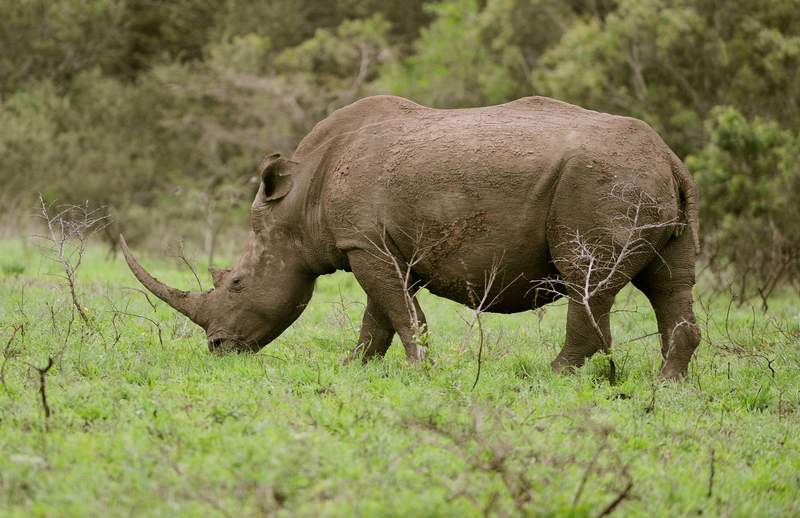
Shadows on the Safari: A Dream Derailed, South Africa Grapples with Tourist Killings
POLICY WIRE — Skukuza, South Africa — The golden hour over Kruger National Park usually paints a scene of breathtaking tranquility, a canvas of ancient rhythms and raw, unspoiled nature. That...

POLICY WIRE — Skukuza, South Africa — The golden hour over Kruger National Park usually paints a scene of breathtaking tranquility, a canvas of ancient rhythms and raw, unspoiled nature. That postcard image? It’s been torn to shreds. A murder investigation now blankets the region, after foreign tourists, who had simply come to glimpse wild majesty, found something far more chilling: death. It’s a harsh dose of reality for a nation banking heavily on its natural wonders to woo the global traveler.
It wasn’t a close encounter with a lion, nor a rhino charge gone wrong. It was, rather, the stark, brutal hand of human criminality reaching into what should’ve been an untouchable sanctuary. Police aren’t talking details — not much anyway — but the mere mention of ‘multiple bodies’ found near a popular game lodge has sent shivers right through the local tourism operators and their global clientele. They’re asking, quietly, if anywhere is truly safe anymore. And it’s not a question South Africa can afford.
Because let’s be straight, tourism isn’t just pretty pictures of elephants at a watering hole for this country. It’s a powerhouse, a job generator, a crucial dollar earner. According to the World Travel & Tourism Council, the sector contributed an estimated R277.5 billion (roughly $15 billion USD) to South Africa’s economy in 2023, supporting close to 1.8 million jobs. Lose the tourists, lose a lot more than just good PR. The stakes are immense, really.
“This isn’t who we’re. Our nation thrives on hospitality, and incidents like this don’t just cost lives; they damage our very soul, our economic lifeline,” declared South African Minister of Tourism Patricia de Lille, her voice tight with a mix of defiance and distress. Her words reflect a government desperate to protect an industry still recovering from pandemic shutdowns, now facing a new kind of menace. This wasn’t some back-alley mugging in a metropolis. This was a direct assault on the ‘African dream’ it sells so vigorously. It feels personal, doesn’t it?
And General Fannie Masemola, the National Police Commissioner, hasn’t minced words either. “We’re not just investigating; we’re leaving no stone unturned. Criminals who prey on visitors, who prey on our livelihood, they won’t find safe harbor here.” Strong words, for sure, but the reality on the ground sometimes tells a different tale. Criminality remains a stubborn stain on South Africa’s international image, often eclipsing its undeniable allure. The challenge? Converting that tough talk into actual arrests, then convictions. Pronto.
📄 POLICY WIRE WHITEPAPER PUBLISHED: PAKISTAN'S NATIONAL SECURITY POLICY PRIORITIES
👉 READ BY CLICKING HEREFor visitors, especially those from parts of the world less accustomed to such dangers — or with heightened sensitivities regarding travel safety— this incident will resonate. Imagine a family from Karachi or Kuala Lumpur, eyeing that once-in-a-lifetime safari. They’re thinking wild animals, big skies, unparalleled beauty. They aren’t thinking about murder investigations. But now, they might. And that’s a tough pill for the tourism board to swallow. It creates ripples far beyond these savannas, shaping perceptions in markets that are increasingly important for global travel, markets that are often weighing options between Africa, Southeast Asia, or even Latin America. It’s not a small consideration; it’s a make-or-break one for certain demographic segments.
What This Means
The political fallout from this tragedy won’t be immediate but it’ll simmer. President Cyril Ramaphosa’s government, already battling high unemployment and deep-seated inequality, cannot afford another blot on its international reputation. Tourism isn’t just about revenue; it’s about soft power, about how the world views South Africa. A drop in tourist numbers—even a perception of decreased safety—translates directly into fewer jobs and a further strain on the national fiscus. Because if foreigners start choosing other destinations, the impact cascades rapidly, from luxury lodges down to the local vendors who depend on traveler spending. This incident serves as an urgent, violent reminder that South Africa’s grand ambition to be a world-class tourism destination rests on more than just stunning landscapes. It demands a guarantee of basic safety, something the state consistently struggles to provide.
But the damage isn’t solely economic. There’s a deeper psychological blow. When a ‘bucket list’ experience becomes a crime scene, it corrodes the very idea of adventurous travel. For a nation grappling with its post-apartheid identity, such events feel like a step backward, reinforcing negative stereotypes the country has worked tirelessly to shed. This probe, if handled deftly — and transparently, could be an opportunity to reaffirm the rule of law. If it falters, however, the shadows cast by this tragic incident could lengthen, touching not just future safari bookings but the very heart of the country’s aspiration to stability and prosperity. Just look at the complexity, the delicate balancing act between diplomacy and harsh economic realities. South Africa’s balancing act is no different, just more blood-stained this time.