


Scarlet Knights’ Unseen Triumph: Track and Field’s Record Surge in a Gridiron World
POLICY WIRE — New Brunswick, NJ — You’d think corralling two dozen athletes—plus a few extras for good measure—and sending them to a major national competition would spark a...

POLICY WIRE — New Brunswick, NJ — You’d think corralling two dozen athletes—plus a few extras for good measure—and sending them to a major national competition would spark a city-wide celebration. But at Rutgers, where gridiron glories and basketball’s March Madness runs tend to gobble up the headlines (and, let’s be honest, most of the athletic budget), the sheer volume of track and field prowess heading to Lexington for the NCAA East First Round feels less like a thunderclap and more like a very determined, slightly overlooked, roar.
It’s late May, see, and while the hoops season’s a distant memory and football’s just training camp chatter, the Scarlet Knights’ so-called non-revenue athletes are out there doing the actual lord’s work. They’re shattering expectations, yes, but doing it with a quiet grit that only those steeped in the lonely hours of the long jump pit or the relentless pounding on the track can truly understand. Twenty-eight athletes, a new program benchmark, are on their way. That’s up from a commendable 22 in 2024, an impressive 27% jump, according to university athletic department filings. It ain’t just good; it’s startling.
“We’ve always known the quiet dedication that runs through our track program,” remarked Rutgers Athletic Director Pat Hobbs, speaking to Policy Wire from his corner office. “This isn’t just about making it to Kentucky; it’s about validating years of disciplined effort. And frankly, this kind of success—unexpected, earned—puts a smile on our donors’ faces that extends well beyond the usual football season ticket packages.” Hobbs’ tone carried a note of triumph, a sentiment many would argue is long overdue for programs outside the main spotlight.
Consider the broader landscape for a moment. In places like Pakistan, the narrative for track and field athletes is often one of struggle against the colossal shadow of cricket, wrestling for funding and public recognition. There, the sheer lack of infrastructure can stifle world-class talent, pushing athletes toward individual pursuits or making professional careers almost impossible. Here at Rutgers, a similar, though less dire, struggle for resources often plays out; the flashier, revenue-generating sports sometimes overshadow programs consistently building legitimate, nationally competitive teams.
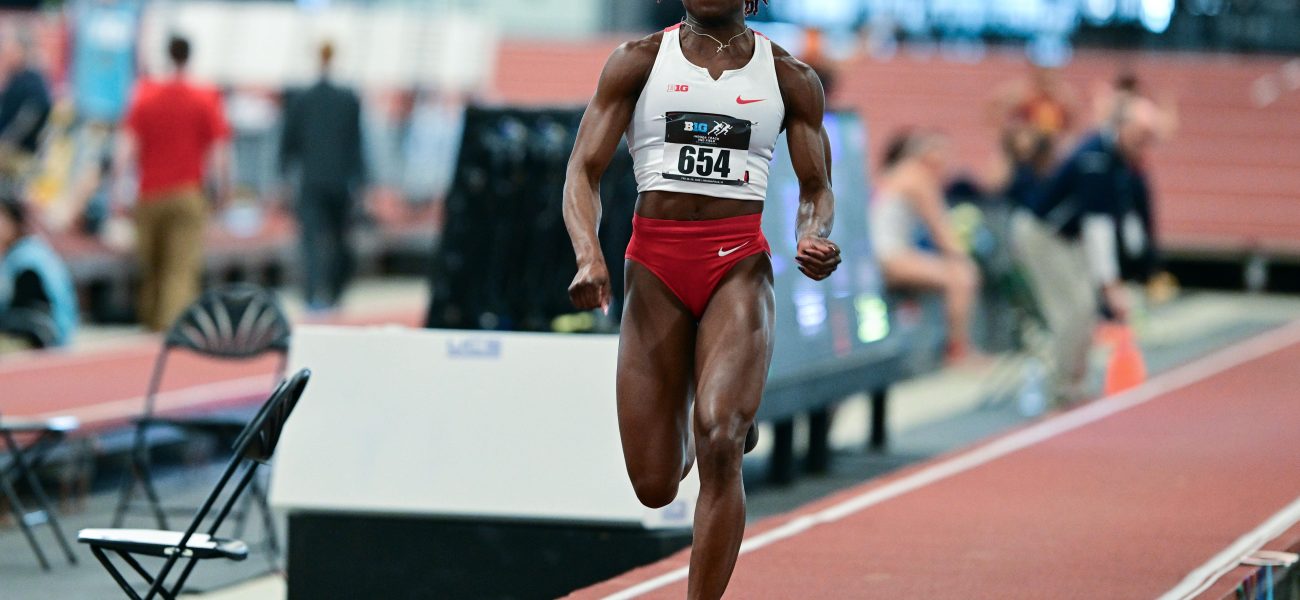
Yet, here they’re, these Scarlet Knights, bucking the trend. Their contingent, including stalwarts like Celine-Jada Brown, the Big Ten indoor long jump champ who also snagged gold at the outdoor championships, and Kevin O’Sullivan, who battled for a third-place finish in the men’s pole vault, is formidable. The absurd economics of sports often favor the televised spectacles, but success like this, earned without prime-time slots, speaks volumes. It forces conversations about where real value lies within a collegiate athletic department.
New Jersey State Senator Evelyn Rojas, a vocal proponent of educational — and athletic funding, minced no words. “These young men and women don’t just represent Rutgers; they represent the very best of New Jersey grit,” Rojas stated. “Their achievements, especially in sports that don’t always dominate the evening news, remind us exactly why we invest in our state universities. It’s about providing pathways, giving every student-athlete—no matter their sport—a shot at excellence, plain and simple.”
📄 POLICY WIRE WHITEPAPER PUBLISHED: PAKISTAN'S NATIONAL SECURITY POLICY PRIORITIES
👉 READ BY CLICKING HEREBut it’s not just about raw numbers. It’s the depth across events. From Chris Serrao attacking the 110m hurdles to Daniel Duncan burning up the 100m track, to the power of throwers like Andrew Krall in the hammer, they’ve got folks covered. Malachi Yehudah is soaring in the high jump, — and then you’ve got a crew for the triple jump, ready to eat up ground. It’s a full-on assault, meticulously planned, stretching across four grueling days in Lexington. Then, if they make the cut, it’s off to Eugene, Oregon, a city that basically breathes track and field, for the NCAA Outdoor Championships.
And that’s the deal, isn’t it? This isn’t just about Rutgers winning medals. It’s about a university quietly, determinedly, investing in its full athletic spectrum, proving that success doesn’t always need a football stadium filled to the brim to make an impact. Sometimes, the true stories of glory come from the crack of the starting gun — and the thud of a long jump landing.
What This Means
This record-breaking contingent from Rutgers signals a subtle, yet potentially significant, shift in the institutional psyche of a Big Ten university. Historically, major athletic departments have channeled disproportionate resources into their revenue-generating behemoths—football and men’s basketball—often leaving ‘minor’ sports to scavenge. But this track — and field surge demonstrates a measurable return on investment for programs often viewed as secondary. Economically, while track and field itself doesn’t generate millions in ticket sales, its success raises the university’s overall athletic profile, which can translate into broader alumni engagement, legislative goodwill (as evidenced by Senator Rojas’ quote), and perhaps even subtle advantages in student recruitment across all disciplines. From a political standpoint within the athletic complex, this achievement strengthens the hand of non-revenue coaches and programs in future budget discussions, pushing for more equitable distribution of funds. It’s a powerful narrative to counter the relentless pursuit of football supremacy: a reminder that comprehensive athletic excellence contributes to a university’s brand in ways that transcend quarterly financial reports. This could inspire other institutions, especially in cash-strapped public university systems, to rethink their athletic priorities and the value they place on diversified athletic achievement. It certainly changes the conversation around the legacy and loyalty of athletes who commit to these programs.