
Shadow Economy of Power: Trump’s Audit Immunity Stokes Fury, Eviscerates Tax Faith
POLICY WIRE — Washington, D.C. — Few things unify Americans quite like the visceral dread of tax season. It’s that annual, unavoidable pilgrimage to the labyrinthine forms, the meticulous...

POLICY WIRE — Washington, D.C. — Few things unify Americans quite like the visceral dread of tax season. It’s that annual, unavoidable pilgrimage to the labyrinthine forms, the meticulous ledger-keeping, the sheer certainty that, no matter how honest you’ve been, the government could come knocking. But what if, for some, the knocking is just a whisper—or doesn’t happen at all? Turns out, for a man who once held the nation’s highest office, the rules of engagement with the IRS might’ve been surprisingly flexible.
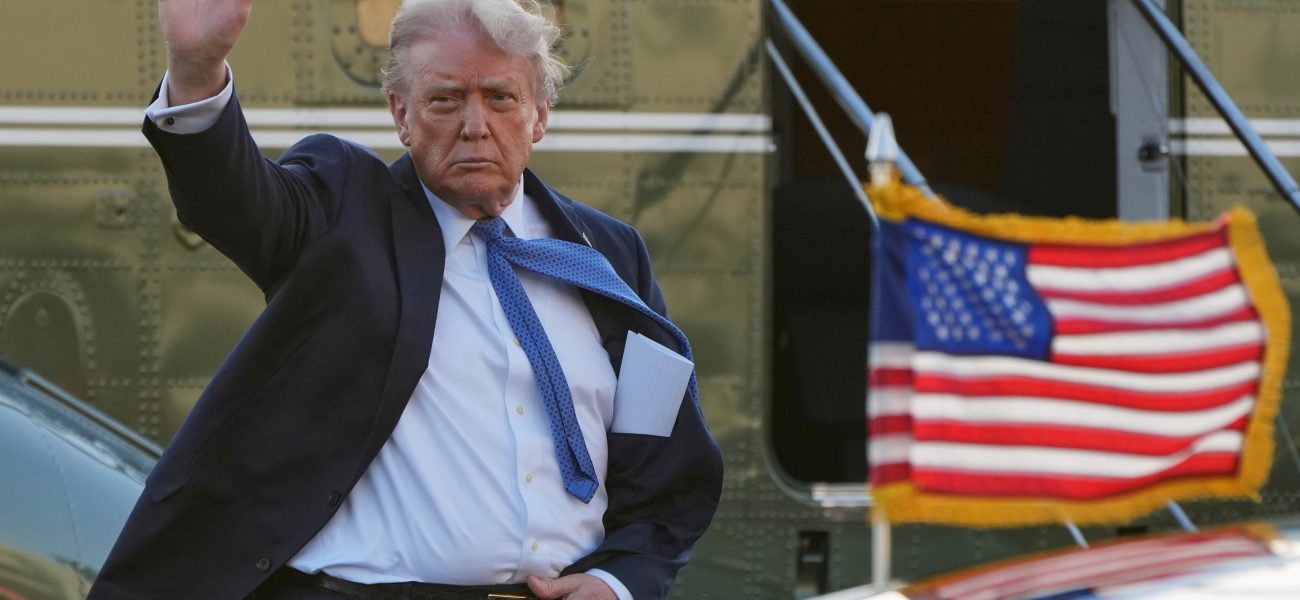
It’s not just a technicality, folks; it’s a systemic fracture, exposed by recent findings suggesting former President Donald J. Trump sailed through most of his presidential tenure without facing the robust IRS audit traditionally applied to commanders-in-chief. This isn’t about tax specifics, you understand. It’s about the silent erosion of faith in institutions, a trust that’s already as fragile as tissue paper. When the very systems designed to ensure fairness appear to blink for the powerful, well, ordinary citizens don’t just notice. They feel it in their gut.
“The whole point of a presidential audit program is to ensure no one is above the law, to maintain the public’s confidence in an equitable tax system,” declared Representative Jasmine Kincaid (D-NY), a vocal member of the House Ways and Means Committee, during a recent interview. “To learn that the previous administration effectively circumvented or neutered that safeguard isn’t just disappointing; it’s a direct blow to democratic principles. It makes every single taxpayer, from a waitress to a steelworker, wonder if they’re playing by a different set of rules than the elites. And you’d be right to wonder.”
The standard operating procedure, quietly codified decades ago, dictates that a sitting president’s tax returns should face mandatory annual audits. It’s meant as a check, a reassurance. But the details now emerging paint a picture of delays, bureaucratic inertia, and, ultimately, a significant lack of scrutiny. This revelation doesn’t just scratch at the surface of accountability; it peels it back, exposing a raw nerve.
“The perception of fairness is almost as important as the reality in a voluntary compliance system,” observed Fred Thompson, a former senior counsel at the Treasury Department. “When the average individual watches their deductions meticulously scrutinized, while a former president’s complex financial empire appears to glide unexamined, you’re creating cynicism. It’s corrosive. And it sets a dangerous precedent, really, suggesting that high office somehow grants an immunity beyond what’s legally intended.” He isn’t wrong. The ripple effects here? They’re wide-ranging.
Globally, such news feeds into existing narratives about the unequal application of justice, even in nations that traditionally look to the U.S. as a benchmark for rule of law. Consider countries like Pakistan, for instance, where challenges in tax compliance and the perennial struggle against perceived elite corruption are ongoing battles. A similar incident there would ignite fierce public outcry, deepening mistrust in government. The idea that digital lies can ignite real-world fury is a lesson learned far beyond America’s borders. For people grappling with similar issues of transparency and accountability, these American reports offer little solace, and frankly, quite a bit of fuel for their own internal critiques.
📄 POLICY WIRE WHITEPAPER PUBLISHED: PAKISTAN'S NATIONAL SECURITY POLICY PRIORITIES
👉 READ BY CLICKING HEREAnd it’s not like the IRS has been overzealous on audits across the board lately. For those keeping score, audit rates for individuals earning over $1 million plummeted by more than 80% between 2010 and 2018, according to data from the Treasury Inspector General for Tax Administration. So, if even the established presidential audit process falters, where does that leave everyone else? It’s a valid question, don’t you think?
What This Means
This whole mess isn’t just about an audit that didn’t quite happen; it’s about what it signifies. Politically, it provides ammunition for critics, solidifying arguments that the rich and powerful operate on a different plane. This plays directly into populist sentiment and fuels the political polarization that already defines American discourse. It also gives talking points to those who argue the federal bureaucracy is either too weak or too compromised to effectively carry out its duties—or worse, that it can be manipulated from the top.
Economically, the implications are subtly damaging. When trust in the fairness of the tax system dwindles, so too can voluntary compliance over the long term. If people believe the system is rigged, their incentive to honestly report income diminishes. This could necessitate greater enforcement budgets — and lead to less revenue, potentially exacerbating budget deficits. But, more significantly, it erodes the moral compact between citizens and their government, that fundamental agreement that if everyone contributes fairly, society functions. It’s a foundational tremor, truly. It undermines confidence in democracy itself, here — and across the globe. You can’t build strong societies on sand, can you?