


The Global Gamble: How ‘Acca’ Bets Supercharge World Cup Dreams and Regulatory Nightmares
POLICY WIRE — London, UK — Forget the glittering stadiums or the roar of the crowd for a moment. Instead, consider the quiet, almost hypnotic hum of billions changing hands across digital platforms...

POLICY WIRE — London, UK — Forget the glittering stadiums or the roar of the crowd for a moment. Instead, consider the quiet, almost hypnotic hum of billions changing hands across digital platforms during football’s grandest spectacle, the World Cup. It isn’t just about single bets on who lifts the trophy; it’s about the ‘accumulator’ – the ‘acca,’ as it’s affectionately, or perhaps menacingly, known – a multi-layered wager promising an almost impossibly large return from a modest stake. It’s an economic engine, but it’s also a high-stakes psychological game, played out globally, sometimes to devastating effect.
These complex bets, linking outcomes across multiple matches, have emerged as a commercial juggernaut. They’re designed for maximal engagement, a clever little trick, really, making the average punter feel like a strategic genius, even if the house always holds an edge. And what an edge it’s: the global online gambling market is projected to reach approximately $150 billion by 2030, with sports betting consistently accounting for the lion’s share, according to industry analysts at Grand View Research. That’s a staggering sum, isn’t it? A colossal sum often propelled by these very accumulator bets, with operators like Betway, BoyleSports, and BetMGM all clamoring for a piece of that action.
“Look, we’re not blind. The industry’s innovative, alright? But our mandate is protection, plain and simple,” offered Sarah Jenkins, Senior Enforcement Director at the UK Gambling Commission, in an exclusive chat with Policy Wire. “We’re constantly calibrating, because these products? They’re designed to tempt, and sometimes, they just hit too hard for vulnerable individuals.” Jenkins is right to be cautious; the psychological hook of an acca, where one minor upset can torpedo a colossal payout, is a powerful motivator for both initial investment and chasing losses.
The marketing apparatus around these accumulators is slick, almost relentless. They boast ‘free bets,’ ‘acca insurance,’ — and ‘profit boosts’ – all expertly crafted to keep users engaged and betting. Betway, for instance, throws £40 in free bets at newcomers, some earmarked specifically for these multi-legged wagers. BoyleSports offers insurance, a kind of digital safety net that still often brings punters back for more. But it’s this ‘innovation’ that often complicates things for regulators already struggling to keep pace.
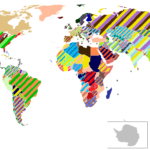
The allure isn’t contained by borders or regulations, either. While major betting companies navigate the stringent frameworks of the UK Gambling Commission, the yearning for a quick fortune transcends geographies, echoing from the bustling betting shops of London to the hushed, illicit digital channels operating in regions like Pakistan or other parts of the Muslim world. There, gambling is largely forbidden under Sharia law, yet the human appetite for risk – and the tantalizing possibility of a life-changing payout – creates a shadow economy of immense scale. “It’s the illusion of control combined with an outsized reward – a potent cocktail for any gambler, regardless of their cultural background,” notes Dr. Imran Malik, Professor of Behavioral Economics at the University of Lahore, weighing in on the issue. “We’re seeing unprecedented engagement in regions where formal regulation is still a foreign concept, fostering an environment ripe for exploitation.”
📄 POLICY WIRE WHITEPAPER PUBLISHED: PAKISTAN'S NATIONAL SECURITY POLICY PRIORITIES
👉 READ BY CLICKING HEREIt’s not just about traditional betting, either. Operators are deploying mobile apps, like talkSPORT BET’s highly-rated platform, to ensure instant access and real-time odds updates – turning every match into an opportunity, and every quiet moment into a potential betting window. Kwiff, meanwhile, offers ‘price boosts’ that unpredictably inflate potential winnings, a dopamine hit masquerading as good fortune. They’re all tactics, certainly, meant to maximize ‘customer lifetime value,’ a rather sterile term for something that’s deeply rooted in human hope and, sometimes, despair.
What This Means
The unchecked ascent of accumulator betting presents a Gordian knot for policymakers and a serious ethical challenge for the industry itself. Economically, these bets, while a boon for operators and often contributing significant tax revenue in regulated markets, also concentrate risk. An individual’s outlay might seem small, but the aggregate churn and the potential for rapid loss can exacerbate existing economic anxieties. We’re not talking about discretionary spending here, sometimes. For developing nations, or communities facing economic hardship, these often-unregulated markets represent a corrosive force, siphoning scarce resources through opaque channels. It becomes a brutal economy of hope, often ending in disillusionment.
Politically, the challenge lies in harmonizing international regulations. But how do you rein in a global, borderless industry? Local governments might enforce strict advertising rules, but offshore sites still prey on consumers, operating beyond national reach. there’s the broader social impact to consider: the normalization of high-risk gambling as entertainment, particularly among younger demographics and in cultures where such activities are traditionally frowned upon. Just look at the millions poured into events like the IPL; it’s a multi-million dollar bet on raw talent, yes, but also a cultural phenomenon now intrinsically tied to a vast betting apparatus. Policy Wire’s continuing observations suggest this isn’t just about sport; it’s about control, access, and the ever-shifting landscape of global digital commerce.