

Sunset on an Empire: IPL’s Once-Dominant CSK Grapples with a Post-Dhoni Reality
POLICY WIRE — CHENNAI, INDIA — They say empires never truly fall overnight; they erode. And for the Chennai Super Kings, arguably the Indian Premier League’s most storied franchise, the erosion...

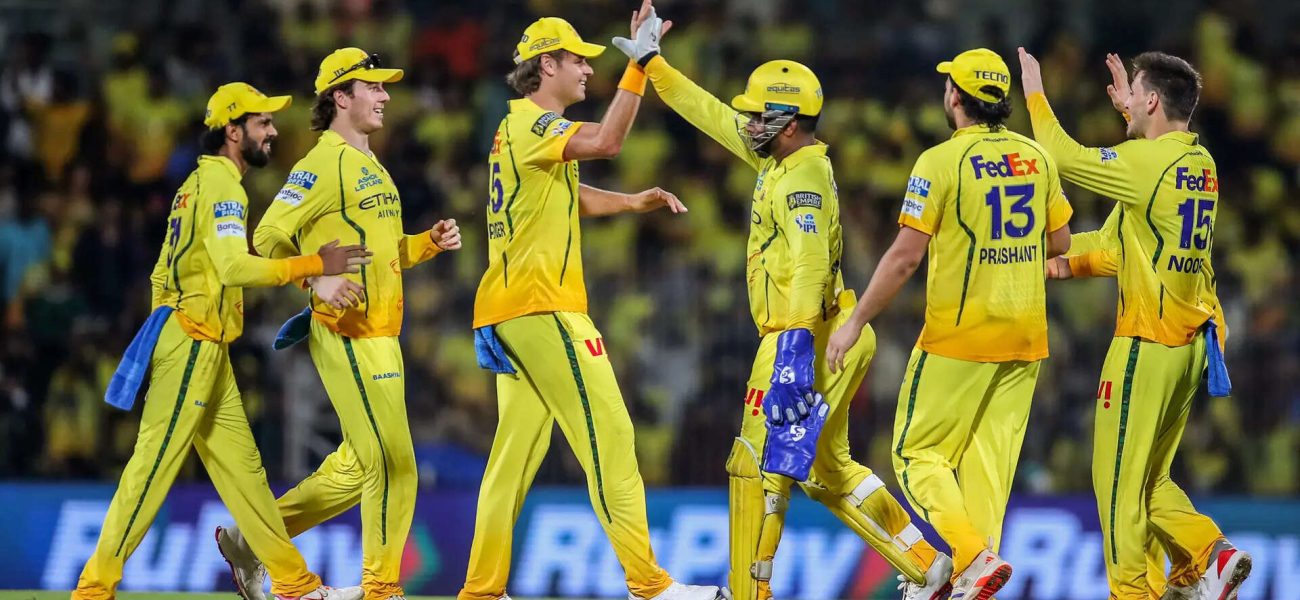
POLICY WIRE — CHENNAI, INDIA — They say empires never truly fall overnight; they erode. And for the Chennai Super Kings, arguably the Indian Premier League’s most storied franchise, the erosion appears to have accelerated, with the final whistle of their ignominious 2026 campaign sounding less like a strategic pause and more like a desperate cry for reinvention. It wasn’t just a loss against Gujarat Titans that sent them packing – an 89-run rout in Ahmedabad, mind you—it was the definitive pronouncement that the ‘Dhoni era,’ the very bedrock of their dynasty, is, quite unequivocally, ancient history.
Ravichandran Ashwin, the seasoned off-spinner and a man who doesn’t mince words—never has, never will—didn’t hold back. His post-mortem wasn’t gentle, it was a blunt force trauma delivered to the club he once represented. Ashwin’s takeaway was simple, stark: “This is not Dhoni’s Chennai Super Kings. Not at all. That time has changed.” He laid it out plain on his YouTube channel, asserting that the familiar blueprints, those meticulously crafted strategies that brought trophy after trophy, now belong in a dusty museum display. Chennai, he insists, needs to fundamentally rethink its squad—its balance, its very quality. You don’t just patch up holes; you rebuild the darn ship. And it’s gotta be done with proper timber.
His commentary zeroes in on the raw nerve: investment in genuine quality. Not just potential, but seasoned, top-tier talent. “Honestly, I will say this openly, CSK has to invest in quality,” Ashwin stated, practically hammering each word home. “They’ve to invest in quality cricketers. I mean, make a quality team. With experience. Bowling experience. Variety in fast bowlers. Variety in spinners. A team has to be formed in a good way.” He’s not wrong, you know. While a shiny-faced prodigy lights up the highlight reels (and yes, Shivam Dube did show glimpses of positive batting), true longevity in this unforgiving league, especially on varied pitches, often hinges on the battle-hardened. You can’t just throw money at the youngest kid on the block; it’s a careful balancing act between youthful exuberance and graying wisdom. The global franchise cricket landscape, with its rapid player turnovers and fluctuating valuations, has proven that sometimes the wisdom of experience, expensive as it might be, pays off in dividends—unlike say, some high-risk bets on undervalued players.
But the issues run deeper than just individual players. Chennai’s famed home ground, Chepauk, once an unbreachable fortress, now appears more like an inconvenient quirk. Ashwin observed that the current squad isn’t tailored to those notoriously slow, turning tracks. You don’t hit through the line constantly here; you graft, you grind, you build an innings brick by agonizing brick. It demands patience — and adaptability, not raw power-hitting alone. When Ashwin conjures names like Suresh Raina, Michael Hussey, or even S. Badrinath—players synonymous with attritional excellence on Chepauk’s unique surface—he’s not just reminiscing. He’s drawing a stark contrast to a current roster that feels, perhaps, tactically mismatched.
The echoes of this dilemma aren’t limited to Chennai. Across South Asia, where the IPL commands fervent devotion—drawing viewership even in neighboring Pakistan despite geopolitical tensions, creating an informal cross-border economy of fan engagement—franchise models are being scrutinised. Spectator numbers consistently show the league’s immense pull, but sustained success demands a holistic approach to squad construction that goes beyond brand loyalty. Investing in young talent is a multi-million dollar bet, but even that needs context and experience.
Because ultimately, what’s good for CSK isn’t just good for CSK’s balance sheet. It influences how other teams think about squad formation, player retention, and even the economics of the auction itself. Speaking to Policy Wire, a BCCI (Board of Control for Cricket in India) official, who requested anonymity to speak candidly about internal league dynamics, noted, “Every team goes through cycles. Chennai’s long run of dominance was extraordinary. But the competitive landscape of the IPL means no side can simply rest on past laurels. We expect all franchises to adapt, to invest wisely, because a strong league needs all its major players firing.” And that’s the rub, isn’t it?
📄 POLICY WIRE WHITEPAPER PUBLISHED: PAKISTAN'S NATIONAL SECURITY POLICY PRIORITIES
👉 READ BY CLICKING HEREFor a league whose brand value soared to an estimated $10.9 billion in 2023, according to Houlihan Lokey, the financial stakes for every team are astronomical. A flagging major franchise like CSK isn’t just a cricketing issue; it’s a financial one, threatening the narrative of unwavering success that underpins a significant chunk of the global sports economy.
What This Means
Chennai Super Kings’ current predicament signals more than just a bad season; it points to a significant strategic inflection point for major sporting franchises in evolving leagues. Economically, their inability to sustain performance without their charismatic former captain could dampen fan enthusiasm, potentially impacting future sponsorship deals and gate revenues. Brands flock to winners, but also to compelling narratives—and a crumbling dynasty isn’t always compelling viewing for the casual fan.
Politically, within the tightly-knit ecosystem of Indian cricket, this moment tests the organizational resilience and adaptability of an otherwise successful team. Will management stick to its historically patient approach, or will the pressure of performance and the growing commercial imperative force a more aggressive overhaul? The ‘Dhoni-era’ represented a unique synergy of leadership, team culture, — and tactical acumen. Replacing that requires not just new players, but a fundamental re-establishment of identity — and process. For other franchises, it serves as a stark reminder: even seemingly invincible models can falter, underscoring the relentless competitive nature of sports capitalism. The glory days were indeed glorious. But they’re gone. And frankly, the market waits for no one.