


New Mexico’s Black Gold Bonanza: A Bitter Paradox of Plenty and Pain
POLICY WIRE — ALBUQUERQUE, N.M. — It’s a strange alchemy, this business of statecraft and petroleum. While the average New Mexican grits their teeth at the gas pump, cursing the rising cost of diesel...

POLICY WIRE — ALBUQUERQUE, N.M. — It’s a strange alchemy, this business of statecraft and petroleum. While the average New Mexican grits their teeth at the gas pump, cursing the rising cost of diesel and dinner, their state coffers are gorging, growing fat on the very misery that squeezes household budgets. Call it a boom or a windfall—but whatever its name, it’s a cold, hard currency flowing in from some far-off, messy conflict. And the state’s wrestling with the ethical gut-punch of it all.
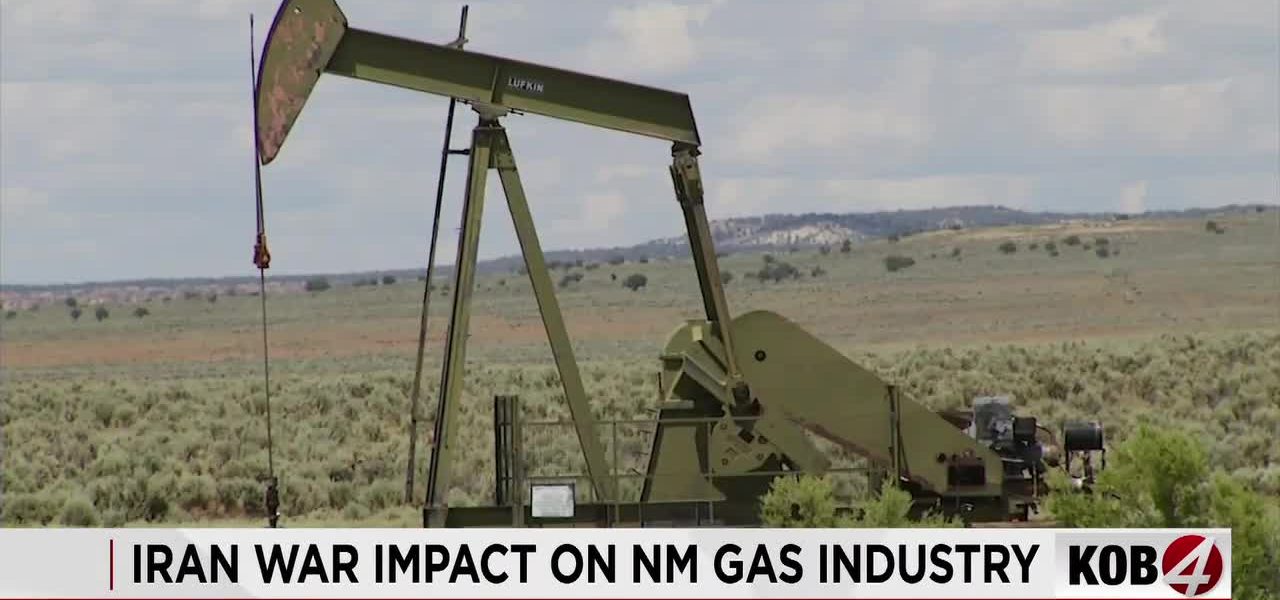
Forget for a moment the idyllic turquoise skies and ancient pueblos; New Mexico’s beating economic heart pulses with the black stuff, the crude that powers the globe and lines state accounts. Right now, by the time June rolls off the calendar, officials are expecting an eye-watering $850 million influx. That’s a heap of cash. We’re talking about an additional $59 million for every single dollar tacked onto a barrel of oil, according to projections that probably make some treasurers weak in the knees. This place, surprisingly enough, isn’t just second to Texas in terms of sheer landmass, but in crude production too, pumping out over 2 million barrels daily.
But let’s get real. Nobody’s exactly popping champagne corks at the grocery store. This gravy train—it’s fueled by global unease, by the nervous jitters that send crude prices climbing every time there’s a rumble in the desert or a blockade on a vital shipping lane. The official line from politicians is that this money, this sudden flush of funds, can do some serious good. Representative Nathan Small, a Democrat out of Las Cruces, laid it out plain, arguing the dollars go straight into programs folks actually need. “At the top of that list are things like universal childcare, expanded health care coverage for New Mexicans, supporting the food benefits and making sure that New Mexicans have access to healthy and safe food,” Small explained. Noble goals, for sure.
Yet, there’s always a flip side, isn’t there? A shadow creeping up the sunny side of that ledger. Small himself wasn’t shy about acknowledging the grim arithmetic of this prosperity. “I really want to stress, the increased costs to all New Mexicans, the pain at the pump, the fact that diesel in particular has spiked, and the increase in fertilizer costs—these are harms that can’t be undone except by ending the geopolitical tensions driving them,” he told reporters, acutely aware of the paradox. He knows it, you know it, everybody knows it: the same forces boosting the state budget are pinching pennies out of everyday folks’ pockets.
The ripples, naturally, extend far beyond New Mexico’s borders. Think about nations on the periphery, developing economies already walking a financial tightrope. Pakistan, for instance, a nation often struggling with external debt and a persistent energy crisis, feels this particular pinch acutely. Every uptick in global oil prices sends its import bills soaring, destabilizing its currency, exacerbating inflation, and often leading to painful austerity measures. So, while New Mexico allocates new funds for childcare, the same global economic forces are pushing essentials out of reach for families thousands of miles away. It’s an inconvenient truth that connects the quiet canyons of New Mexico to the bustling bazaars of Lahore, underscoring the messy, interconnected nature of global finance and conflict.
Of course, not everyone sees this oil revenue as a simple burden or a necessary evil. There are arguments to be made for stability, for harnessing what you’ve got. State Senator John Ortega, a Republican representing the oil-rich Farmington area, doesn’t mince words when it comes to the sector’s contributions. “The energy industry isn’t just revenue; it’s thousands of high-paying jobs in our communities. It’s what keeps rural New Mexico viable. We have to secure our financial future with these resources, using this boom to diversify and strengthen our state long-term, not just as a short-term band-aid,” Ortega said, emphasizing a different kind of reliance and a long-term vision—or at least a necessary present.
But the raw figures illustrate New Mexico’s deep, perhaps dangerously deep, reliance. According to the New Mexico Oil and Gas Association (NMOGA), the trust funds generated by oil and gas revenue comprise nearly half of the state’s entire general fund. That’s not a sliver, that’s a mountain. It’s a dependence that makes every geopolitical tremor, every drone strike, every distant threat to global supply chains, an immediate, personal concern for policymakers in Santa Fe. Because if those prices slide—and they do—the bottom falls out, leaving those childcare and healthcare promises scrambling for funds. It’s a tough place to be, riding the world’s unpredictable energy rollercoaster while trying to deliver steady public services.
What This Means
This situation presents New Mexico leadership with a gnarly political tightrope act. They’re trying to leverage a financially explosive moment—a literal windfall derived from global tensions—to fund desperately needed social programs, from health services to early education. On one hand, you’ve got to use the money when it’s there; nobody wants to leave hundreds of millions sitting fallow. But on the other, doing so deeply entangles the state’s budget, its future, and even its ethical standing, with events utterly beyond its control. It’s a fundamental vulnerability disguised as a blessing.
Politically, the messaging is everything. How do you champion social progress paid for by the rising global cost of living for your own citizens? It creates a chasm between the macro-economic gain — and the micro-economic pain felt at kitchen tables across the state. Expect environmental groups to keep hammering on the unsustainable nature of this reliance, pushing harder for diversification away from fossil fuels, even if it feels like biting the hand that feeds right now. And for leadership, the challenge isn’t just spending wisely but doing so with a clear exit strategy in mind—or at least a mitigation plan for when the global oil taps inevitably tighten or loosen again, leaving New Mexico to reckon with its petroleum-fueled fortunes.