

New Mexico’s Quiet Battle for the Ballot: Extended Early Voting Reshapes Primary Scrutiny
POLICY WIRE — Santa Fe, N.M. — Forget the fire-and-brimstone campaign rallies and the breathless punditry. The real grit of American democracy, the messy, bureaucratic, yet utterly essential...

POLICY WIRE — Santa Fe, N.M. — Forget the fire-and-brimstone campaign rallies and the breathless punditry. The real grit of American democracy, the messy, bureaucratic, yet utterly essential mechanics of it all, often plays out in the humbler precincts of government: county clerk offices, community centers, even the mail room. This weekend, New Mexico quietly rolled out its broader arsenal of early voting locations, a strategic escalation in its perennial—and sometimes understated—battle for voter engagement.
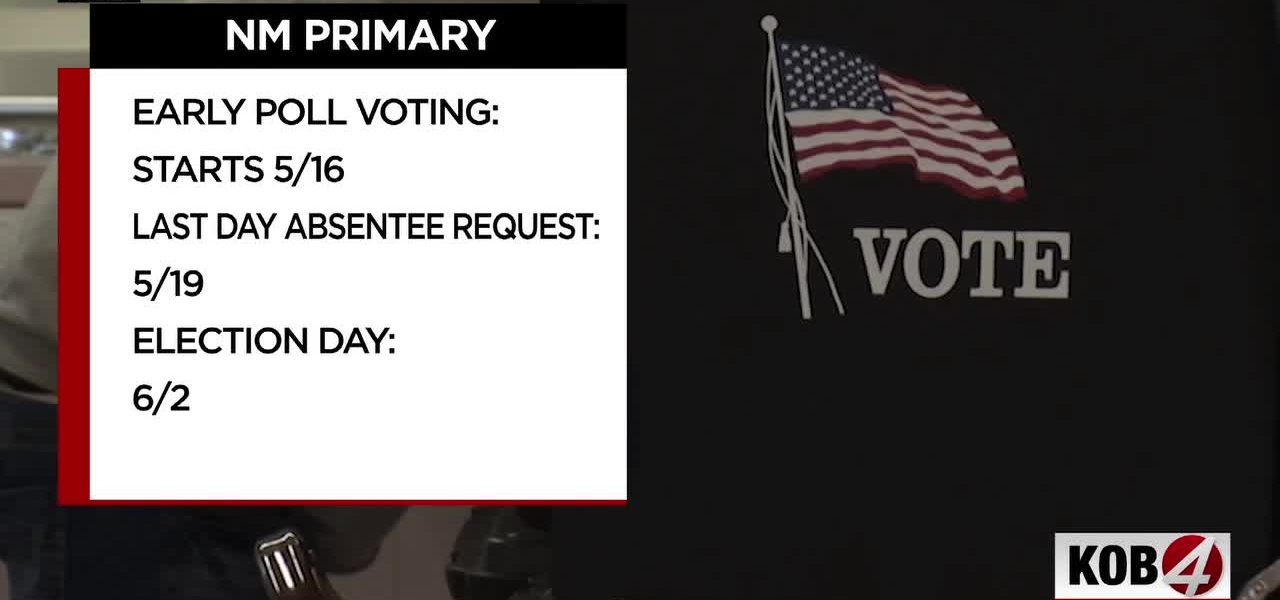
It’s not about sudden revolution. It’s about lubrication. Before Saturday, anyone keen enough to get their democratic duties done early had one option: trudge down to a county clerk’s office, often an out-of-the-way municipal building that smells faintly of recycled air and old paperwork. That, bless their cotton socks, was it. Now, as primary election day on June 2 fast approaches, voters get choices. More choices mean more opportunity, and more opportunity means… well, that’s where the political gamesmanship gets interesting. What looks like a mere procedural tweak from 30,000 feet up often turns into a subtle lever of power on the ground.
This expansion, barely registering a blip on national news cycles, speaks volumes about the shifting priorities of election administrators in states like New Mexico. They’re less focused on flashy headline-grabbing legislation and more on the nitty-gritty of making the process accessible. Secretary of State Maggie Toulouse Oliver, a Democrat, certainly doesn’t pull her punches on this front. “Every opportunity we provide for citizens to make their voices heard strengthens our democracy, pure and simple,” she remarked recently, a conviction honed by years in the political trenches. “We’re not just holding an election; we’re removing unnecessary friction for every working parent, every shift worker, every student. It’s what you do to ensure participation isn’t a luxury, it’s a right.”
And it’s a good bet the state Republican leadership, while always keen on ballot security, wouldn’t argue against accessibility on its face. The Chair of the New Mexico Republican Party, Steve Pearce, has articulated his own take. “We believe in secure elections, absolutely, and we trust New Mexicans to engage responsibly with their fundamental right to vote,” Pearce said in a recent statement, deftly balancing rhetoric. “Access, with integrity, is what all citizens, regardless of party, genuinely want.” Because who’s going to say they don’t want people to vote?
But the real juice is in the data. New Mexico’s penchant for early — and absentee voting isn’t new; it’s a well-established norm. For instance, in the 2020 primary election, a staggering 81% of all votes cast were absentee ballots, a trend the Secretary of State’s office actively promoted even before the pandemic’s acceleration of remote voting methods. It wasn’t an anomaly; it was the way things were already moving. This current expansion of early in-person sites simply layers another, convenient option atop an already flexible system.
While Washington might be busy obsessing over grand geopolitical strategies—the kind that play out in the intricate dance between leaders, like the ‘tremendous’ diplomacy between Trump and Xi—the nuts and bolts of democratic self-governance in places like New Mexico are equally compelling, albeit on a different scale. The fundamental question of who gets to vote, how easily, and under what conditions, echoes in nascent democracies and established republics alike, from Santa Fe to the bustling, contentious polling stations of Lahore, Pakistan.
📄 POLICY WIRE WHITEPAPER PUBLISHED: PAKISTAN'S NATIONAL SECURITY POLICY PRIORITIES
👉 READ BY CLICKING HEREJust as election officials in Punjab might grapple with the logistics of ensuring secure and accessible polling for millions across vast distances and varied social landscapes, New Mexico navigates its own unique topography—a mixture of rural expanses, indigenous communities, and urban hubs. Different challenges, same core aspiration: legitimizing power through the ballot box. You don’t need the complexity of a federal election commission trying to get a fair vote across hundreds of millions in South Asia to appreciate the localized efforts here. It’s the groundwork. And often, it’s the quietest work that carries the loudest implications.
What This Means
The expansion of early voting locations in New Mexico isn’t just a win for convenience; it’s a shrewd political calculation wrapped in democratic principle. For Democratic candidates, easier access to voting often translates to higher turnout among demographics less likely to take time off work on a Tuesday—younger voters, working-class communities, and certain minority groups. This makes their path through the primaries—which will decide who runs for governor—a bit smoother, hypothetically, of course. It’s about lowering barriers, effectively greasing the wheels for their base.
For Republicans, while publicly embracing access, the longer window allows their more motivated base to participate but doesn’t necessarily expand their electorate in the same proportional way. They often rely more on Election Day turnout, bolstered by dedicated ground games. The state’s electoral dynamics mean any boost in overall participation tends to favor Democrats, making this infrastructural change a subtle but definite tactical advantage in the long game. It isn’t just about winning *this* primary; it’s about conditioning the electorate, normalizing new voting habits, and incrementally shifting the baseline of who participates. Plus, you’ve got to factor in the decreasing reliance on requesting an absentee ballot by May 19 or mailing one back by May 26. Less dependency on postage, more on parking. These changes, incremental as they appear, cumulatively redefine what election season actually looks and feels like for regular folks. They’re a significant piece of the electoral puzzle, even if they won’t make national headlines.