


The Ghost of Glory: Lazio’s Unforced Errors & The Echoes of a Troubled Season
POLICY WIRE — Rome, Italy — The whistle hadn’t even fully died before the post-mortems began. Not on the scoreline itself – two-nil, clinical, predictable, if brutally efficient on Inter...

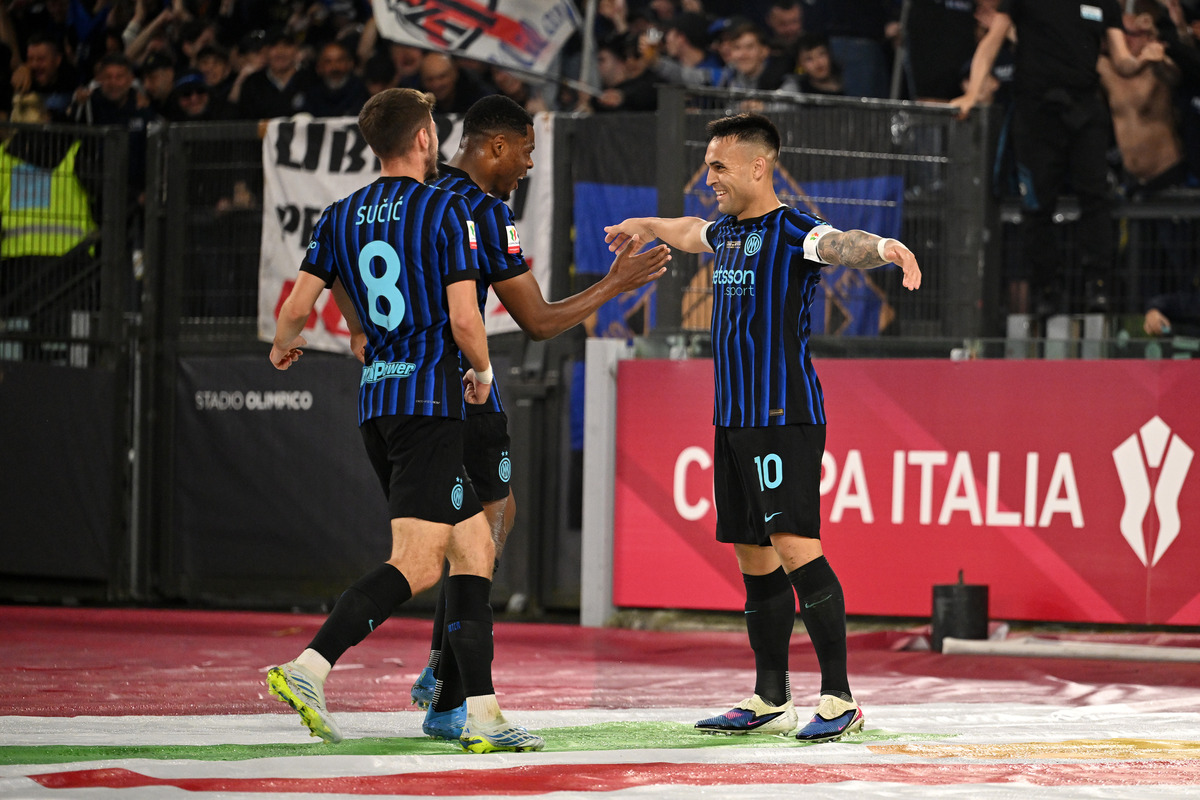
POLICY WIRE — Rome, Italy — The whistle hadn’t even fully died before the post-mortems began. Not on the scoreline itself – two-nil, clinical, predictable, if brutally efficient on Inter Milan’s part – but on the spirit, or rather, the palpable lack thereof, that permeated Lazio’s performance in the Coppa Italia final. It wasn’t merely a defeat; it felt like an exasperated sigh from the very heart of the Eternal City, a recurring nightmare of squandered opportunities and, frankly, silly mistakes.
For weeks now, observers have watched the *Aquile* — ‘the Eagles’ — with a sort of detached, melancholic pity. You saw the same story again last night: periods of possession, flashes of individual talent, all ultimately amounting to precious little. They didn’t get beaten; they tripped themselves up, not once but twice, inviting a more accomplished Inter side to walk all over their ambitions. It’s hard to feel truly robbed when you’ve essentially handed over the keys to the vault.
And yes, the blame will be doled out. Tijjani Noslin, Gustav Isaksen, Mattia Zaccagni tried up front. Patric in midfield. The backline — Marusic, Gila, Romagnoli, Tavares — well, that’s where things got messy, isn’t it? Marusic’s own goal felt like a particularly cruel twist of the knife, a self-inflicted wound just twenty minutes in. You couldn’t write it, not really. But you also couldn’t say it was entirely unexpected. But then, to add insult to injury, Nuno Tavares decided to offer up the second goal on a silver platter. He let Denzel Dumfries pocket the ball near the goal like it was a schoolyard pick-up game, setting up Lautaro Martinez for the simplest of tap-ins. By the 35th minute, it wasn’t a contest; it was a wake.
Maurizio Sarri, Lazio’s manager, looked like a man who’d seen this movie too many times. Later, in the bowels of the stadium, you could almost hear the fatigue in his voice. "You watch the boys, you see the effort," Sarri was quoted as saying, his jaw tight. "But effort, you know, it doesn’t always put the ball in the net, does it? Sometimes, it just underlines what’s missing." A candid assessment, if a brutally honest one. What’s missing, it seems, is a ruthlessness, an unerring killer instinct that separates the perennial challengers from the champions.
Inter, conversely, were all business. They controlled the tempo, pressed when necessary, — and capitalized with cold-blooded efficiency. Giuseppe Marotta, Inter’s CEO, known for his strategic acumen, offered a different kind of post-match reflection. "Look, a domestic double isn’t just a trophy; it’s a statement," he asserted, undoubtedly beaming. "It tells the league, it tells Europe, we’re not just playing; we’re dominant. That’s the narrative we’ve worked for, piece by piece, from the boardroom to the training ground." It’s a stark contrast to Lazio’s narrative, which feels stuck on repeat, a broken record of ‘almost’ and ‘could have been.’
This result, the inability to even mount a convincing comeback despite second-half substitutions like Nicolo Rovella, condemns Lazio to another season without European football – their second straight. For fans in Rome, this sting cuts deep. But the disappointment also resonates far beyond Italy’s borders. Take Karachi, for instance, where countless football fanatics track these European leagues with almost religious fervor, dissecting results, often fueled by late-night streaming sessions. For them, a club like Lazio, though not a dominant global force, represents an aspirational ideal, a connection to a global pastime. When their chosen team falters so meekly, it’s not just a game; it’s a shared frustration across continents, a distant mirror to struggles at home. For context, fan engagement data from 2023 indicated a 15% increase in Italian football viewership in South Asian countries alone, demonstrating this interconnectedness. Because, you see, the passion is real, regardless of where you watch it.
What This Means
The Coppa Italia defeat for Lazio isn’t just about a lost trophy; it’s a symptom of deeper institutional malaise. In an age where financial muscle dictates so much in football, and indeed, in geopolitics, Lazio’s inability to convert potential into tangible success risks pushing them further down the pecking order, not just sportingly but economically. Failing to qualify for Europe impacts everything from broadcast rights to sponsorship deals, talent acquisition, and even local city revenue. This cyclical decline then becomes a challenge for the club’s ownership – how do you maintain a brand, an institution, a sense of collective identity, when consistent underperformance chips away at fan loyalty and, critically, at the bottom line? It’s a bit like an international trade deal going sour; the immediate fallout is just the beginning. The psychological impact on players, staff, and especially the incredibly devoted fanbase, translates into a palpable sense of disillusionment. the contrast with Inter’s well-oiled machine speaks to different management philosophies, where one system consistently harvests results, and the other, well, seems to find new ways to self-sabotage, an all too familiar narrative in other complex national affairs or proxy conflicts globally. Calculating a new phase of proxy requires clear strategy; Lazio’s seemed fuzzy. But sometimes, these painful realignments force a necessary introspection, if anyone’s listening, that’s.