


India’s Scorching Price Hike: Energy Bills Jolt Modi’s Economic Script
POLICY WIRE — New Delhi, India — For weeks now, the price of everything from industrial-grade diesel to the cooking gas that fuels millions of humble homes felt like it was doing more than just...

POLICY WIRE — New Delhi, India — For weeks now, the price of everything from industrial-grade diesel to the cooking gas that fuels millions of humble homes felt like it was doing more than just creeping up. It was sprinting. Now, New Delhi finally has a grim figure to slap on that collective gut feeling: wholesale inflation just vaulted to an agonizing 8.3%.
It’s not just a number, you see; it’s the loudest economic siren India’s heard in three — and a half years. And it’s screaming a stark warning straight into the ears of Prime Minister Narendra Modi’s government. That blistering pace is fueled—quite literally—by what else but the sky-high cost of energy. Because when crude oil futures climb, everything from farm produce logistics to factory outputs feels the pain. And believe me, the common Indian isn’t just ‘feeling’ it; they’re getting thoroughly squeezed.
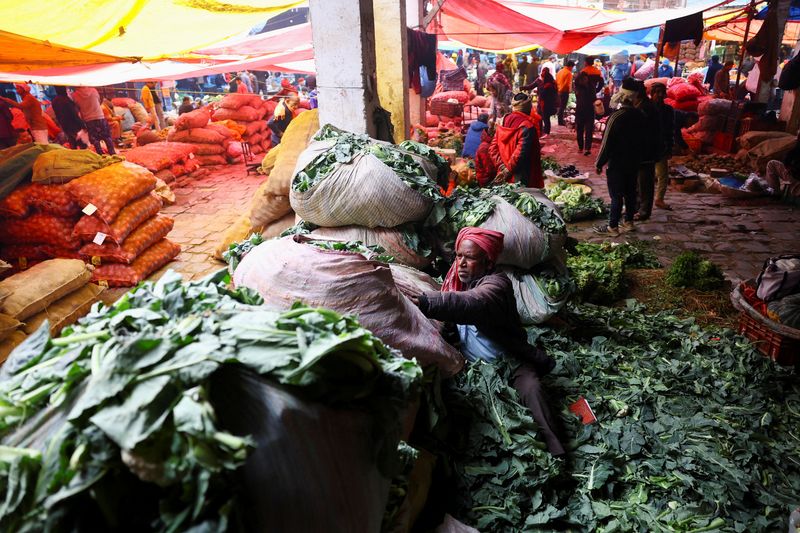
This isn’t some abstract econometric blip. It’s about households making harder choices at the market, about small businesses watching their profit margins evaporate, and about the steady erosion of purchasing power for millions of ordinary folks. Finance Minister Nirmala Sitharaman, often tasked with threading a needle through India’s complex economic fabric, acknowledged the heat. “We’re keenly attuned to the economic strains felt across the nation,” she said in a recent, rather clipped, briefing. “Our government remains committed to stable growth and mitigating external shocks impacting our domestic economy.” A classic political pivot, really, suggesting a problem that isn’t quite domestic at heart.
But opposition voices, as you’d expect, aren’t buying the ‘external shocks’ line hook, line, — and sinker. Rahul Gandhi, a consistent thorn in the government’s side, didn’t mince words. “The common man is bearing the brunt of unchecked price rises,” he quipped during a campaign stop, likely sensing electoral blood in the water. “This government’s economic policies aren’t just missing the mark; they’re actively hurting the people it’s supposed to serve. It’s a mess, plain and simple.”
The Reserve Bank of India, the nation’s central banker, has already been on a tightening spree, attempting to rein in consumer prices. But this fresh wholesale shock—recorded at 8.3%, according to official government data, the highest since December 2020—suggests those efforts might be fighting an uphill battle. It suggests sticky, systemic pressure. Energy, it’s fair to say, runs everything.
📄 POLICY WIRE WHITEPAPER PUBLISHED: PAKISTAN'S NATIONAL SECURITY POLICY PRIORITIES
👉 READ BY CLICKING HEREAnd let’s not pretend India is an island in all this. The contagion of rising energy prices is a global malaise, but its impact varies, particularly across South Asia. Pakistan, India’s perennially complicated neighbor, battles its own, arguably far graver, inflationary demons—with rates often hitting dizzying double-digits—exacerbated by a deeper reliance on energy imports and a perpetually wobbling currency. So while India groans under an 8.3% burden, it’s a stark reminder of how interconnected regional economic health truly is, and how shared reliance on global commodity markets (say, for oil from the Middle East, a topic we recently touched on regarding Tehran’s Quiet Surge) leaves everyone vulnerable. India’s relative stability helps buffer the whole neighborhood. Its instability, however, casts a long shadow.
What This Means
This surge isn’t just an economic footnote; it’s a political landmine, especially with state elections—and the big general election in the not-too-distant future—looming. For the ruling BJP, sustained high prices chip away at public trust — and the narrative of stable economic stewardship. Expect to see renewed efforts to manage essential commodity prices, perhaps through fiscal measures like duties or subsidies, even if that means widening the budget deficit a bit. The RBI, on its part, now faces an even tougher balancing act: cool inflation without slamming the brakes on growth. It’s a classic tightrope walk. Further rate hikes aren’t off the table, which in turn means dearer loans for businesses and consumers, a potentially growth-stifling consequence. The international investment community, forever watching India’s trajectory, will be scrutinizing the government’s response for any signs of wavering economic resolve. Or, worse, policy paralysis. Because if India, a burgeoning economic powerhouse, can’t tame its grocery bill, what does that say about the wider region’s prospects?
Ultimately, this isn’t just about inflation. It’s about credibility. It’s about what voters tell their pollsters. It’s about the silent angst bubbling just beneath the surface of the world’s most populous democracy.