


World Cup’s ‘Cash Grab’ Fizzles: Governors Intervene as Fan Fury Halves Transit Costs
POLICY WIRE — New York, USA — It began, as these things often do, with an email—or maybe a press release, quietly announcing a financial proposition so audacious it bordered on satire. How else to...

POLICY WIRE — New York, USA — It began, as these things often do, with an email—or maybe a press release, quietly announcing a financial proposition so audacious it bordered on satire. How else to explain a $80 bus ticket, or a $150 train ride, just to get to a World Cup match that’s already commanded premium prices? You’d think the host nations, in this case, the twin bastions of commerce that are New York and New Jersey, would at least try to appear hospitable. Apparently not. Not at first, anyway.
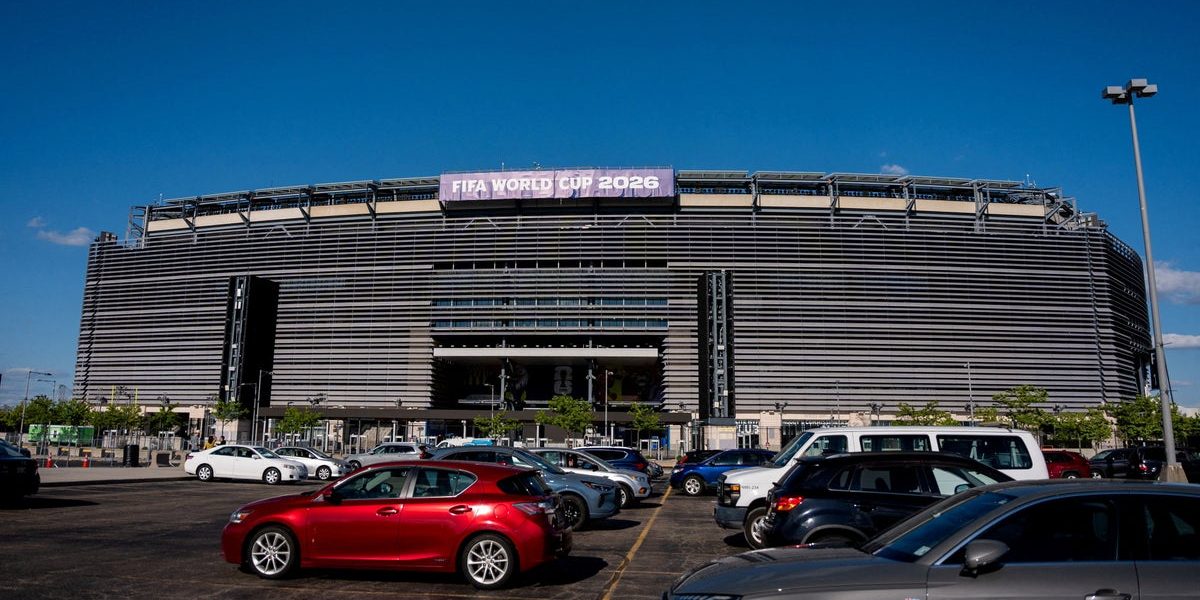
But public opinion, bless its heart, still packs a punch. It turned out fans, mostly the kind who bleed English white and red, didn’t much fancy paying more for a half-hour ride to MetLife Stadium than they did to jet across Europe for a European Championship final. Can’t really blame them, can you? Because when the outcry reached a certain pitch, things began to… shift. Faster than a VAR decision, the states’ top brass suddenly found their constituent services hats.
New York Governor Kathy Hochul, quickly jumping on the social media megaphone, declared the shuttle bus fare for the upcoming England vs. Panama game slashed by three-quarters. Now, you’re only coughing up $20 for that ride from Grand Central or Port Authority. Not cheap, but a darn sight better than the original sticker shock. Governor Hochul’s pronouncement was classic political theater, painting the swift rollback as an act of public good. She chirped online about making the World Cup “as accessible as possible.” Sounds great. But for a fleeting moment, one has to wonder if they even wanted folks to show up. Or perhaps, they simply thought everyone arriving was made of money.
“We can’t have global sporting spectacles feeling like exclusive clubs for the wealthy,” Hochul’s office elaborated in a subsequent, more formal statement that definitely wasn’t rushed out the door. “When New York hosts the world, we’re committed to showing our best, and that includes affordable public transit options for every fan. It’s what New Yorkers expect, and what visitors deserve.” Sounds about right, especially after the initial, um, miscalculation.
Across the Hudson, New Jersey Governor Mikie Sherrill joined the cost-cutting parade, albeit with a bit more of a pointed elbow to FIFA’s ribs. NJ Transit train fares, which were initially set at an eye-watering $150 for a return journey, dropped to a still-not-insignificant $98. Ms. Sherrill previously pointed an accusatory finger directly at football’s global governing body, stating flat-out that New Jersey had “inherited an agreement where FIFA is providing zero dollars for transportation.” And because this is the real world, FIFA expressed—what else?—“surprise” at her comments. You just know that exchange happened over politely fuming emails — and frosty phone calls. It’s politics, innit?
Billy Grant, a lifelong England supporter whose exasperation before the price cuts became a rallying cry, told a wire service: “When they announced that $100 Boston train… I was like ‘I’m not being funny, but that’s taking the mick.’ It’s costing me more to get to the stadium in America than to watch the final in Germany. Then the New York one is $150, and I’m thinking ‘this is just getting ridiculous.’ They’re rinsing you to go into the stadiums, then they’re double rinsing you to actually get there.” And he’s not wrong, is he? It’s that feeling of being squeezed, mile after mile, until you’re just a pulp of an excited fan.
📄 POLICY WIRE WHITEPAPER PUBLISHED: PAKISTAN'S NATIONAL SECURITY POLICY PRIORITIES
👉 READ BY CLICKING HEREBecause ultimately, these mega-events, they’re sold as global celebrations. Yet, too often, the price tags exclude swathes of their most passionate followers. Think about fans in places like Lahore, or Karachi, dreaming of seeing their national teams—or even just their favorite European side—play on a grand stage. Even if they managed the expensive flight, such exorbitant ground transport costs would simply pile another insurmountable barrier on top of an already towering wall. A $20 shuttle bus, for them, would still feel like a luxury. The original $80? An outright absurdity. It’s a stark reminder that while the beautiful game spans continents, the economics often don’t quite travel as democratically.
What’s clear is the quick concession reflects more than just a bureaucratic rethink. It speaks to the potency of organized consumer—or rather, fan—discontent, especially when channeled through the right social channels. Governor Hochul even confirmed 20 percent of those reduced-price tickets would be for New York residents, presumably to appease the local populace who might have felt fleeced had they even thought about attending.
What This Means
This swift political intervention isn’t just about making good on bad optics; it’s a telling snapshot of the tightrope act major event organizers and host cities must walk. They’re chasing the prestige and economic boom of global spectacles, yet can quickly stumble into PR nightmares when profit-seeking edges out public goodwill. And it wasn’t some esoteric economic argument that forced the shift. Nope. It was the simple, understandable outrage of folks who just wanted to watch some football without selling a kidney. This particular skirmish— like many moments when sport and politics collide —serves as a cautionary tale: over-monetization, especially at the expense of accessibility, has real, tangible political costs. It’s a calculation, a political gamble even, — and here, public sentiment clearly trumped the initial avarice. It’s a good lesson for any city eyeing a future hosting bid. for fans in developing nations, it shines a dim light on the ongoing struggle for these events to truly be global, rather than exclusive, experiences. We’re still a long way off from genuine inclusivity.