


WNBA’s Celebrity Conundrum: Caitlin Clark Injury Row Sparks Scrutiny
POLICY WIRE — Indianapolis, USA — The WNBA, long accustomed to battling for mainstream attention, suddenly finds itself in a peculiar skirmish: not over ratings or salary caps, but over a sprained...

POLICY WIRE — Indianapolis, USA — The WNBA, long accustomed to battling for mainstream attention, suddenly finds itself in a peculiar skirmish: not over ratings or salary caps, but over a sprained ankle – or rather, the transparency, or lack thereof, surrounding one. It’s a celebrity problem, really, a curious side-effect of newfound adoration, where even a superstar’s soreness becomes a matter of public inquiry and league reprimand. What seems a bureaucratic squabble masks a deeper tension: a league trying to manage its sudden surge in visibility against a backdrop of established, sometimes clunky, protocol.
It began subtly enough. Caitlin Clark, the Indiana Fever’s gravitational center, was a no-show on Wednesday, scratched minutes before tip-off against the Portland Fire. No pre-game warning, no official word, just an abrupt absence. And the league? Well, they weren’t having it. The WNBA hit the Fever with a warning, citing a breach of its injury reporting rules. Because, apparently, even a player’s decision to rest needs a 5 PM heads-up the day prior, with meticulous detail about the medical condition. Who knew a slight tweak could unleash such administrative fury?
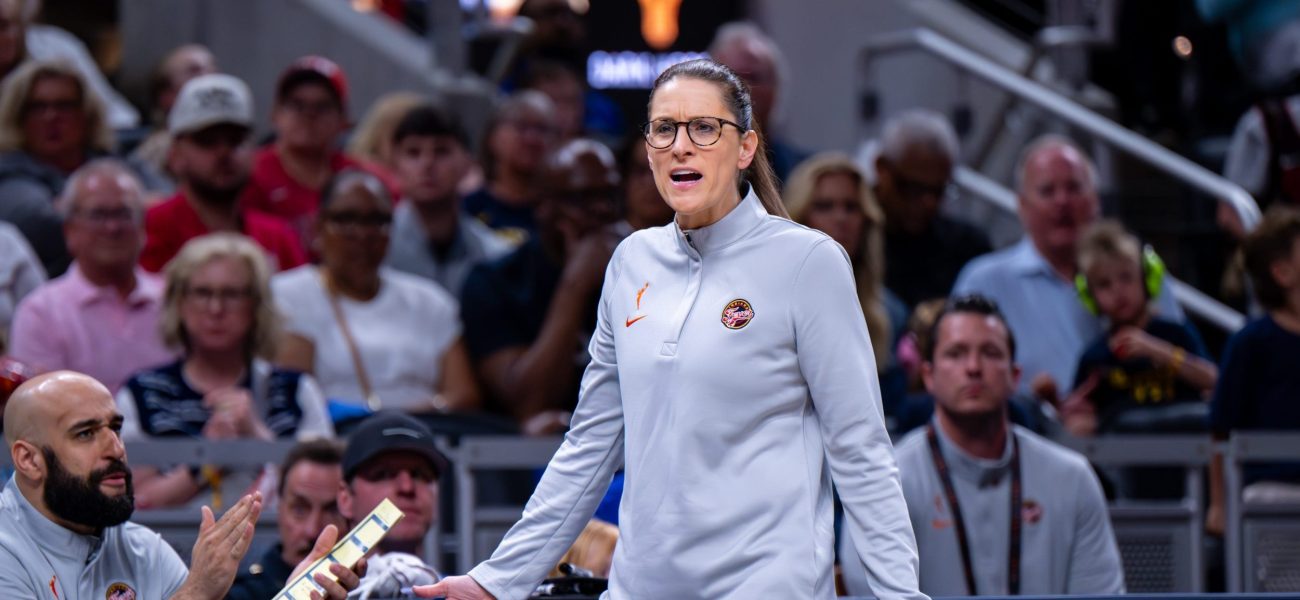
Fever head coach Stephanie White, always one to pull precisely zero punches, met the WNBA’s slap on the wrist with a defiant shrug and three blunt words. “My reaction is: ‘For what?’” she told reporters Friday, pre-game. She added, without missing a beat, that her team handled things “the right way.” You can practically hear the collective sigh from the league office, can’t you? It’s not just a defense of her team; it’s a subtle jab, a hint that perhaps the league’s directives, though well-intentioned, don’t always align with the messy, on-the-fly realities of professional athletics.
Clark herself later weighed in, providing a candid, human window into the pressures of her burgeoning career. She spoke about the psychological grind, the “real mental challenge” of managing expectations and physical health, especially after a taxing college career. “And these are the best players in the world. And if I don’t feel 100% confident in my body, like, on game 5 of the year, I don’t know if that’s really worth it in that scenario.” It’s a pragmatic approach to longevity, something her critics often seem to overlook in their hunger for her presence on court. She’s navigating a tightrope—performance vs. self-preservation—and, well, everyone’s watching her. Every single step.
This isn’t an isolated incident. Across the world, sports bodies wrestle with how much information to divulge, balancing athlete privacy with fan expectation and, increasingly, betting integrity. Look at the Pakistan Super League, for instance, or other major sports leagues throughout South Asia; controversies around player availability or suspicious withdrawals often ignite ferocious public debate and can even trigger formal inquiries. Maintaining an unimpeachable facade of transparency is paramount, because once trust erodes, it’s devilishly hard to reclaim.
The WNBA, buoyed by unprecedented attention this season (it’s seen a nearly 200% spike in viewership for early games compared to last year, according to ESPN), can’t afford any missteps. They’re trying to project an image of professionalism and rigorous adherence to rules, not unlike a fledgling political organization trying to establish credibility on the global stage. But the rigidity, the insistence on arcane timelines for reporting, sometimes chafes against common sense. It’s like trying to regulate lightning in a bottle. Because players, even superstars, aren’t static commodities. Their bodies, their conditions, can change on a dime.
📄 POLICY WIRE WHITEPAPER PUBLISHED: PAKISTAN'S NATIONAL SECURITY POLICY PRIORITIES
👉 READ BY CLICKING HEREWhite clarified that Clark felt stiff and sore after Tuesday’s practice, explaining why a decision was made to scratch her before Wednesday’s game. This wasn’t some devious load-management conspiracy; it was the reality of high-performance athletes. But the league, ever mindful of appearances, wants its boxes ticked. It’s a struggle for control, really—the athletes over their own bodies, the teams over their strategies, and the league over its burgeoning, sometimes unwieldy, narrative.
What This Means
This isn’t merely a trivial dust-up over an injury report; it signals a new, more intense phase for the WNBA. The arrival of generational talent like Clark hasn’t just brought millions of new eyes; it’s brought unprecedented scrutiny. Every decision, every bureaucratic misstep, now carries weight. For the league, the challenge is clear: how do you standardize processes—like injury reporting—without alienating your biggest stars or appearing tone-deaf to the physical demands of the game? Economically, any perceived lapse in integrity could dampen burgeoning investor interest or affect future broadcast deals. Policy-wise, the WNBA might find itself needing to revise these protocols, striking a better balance between transparency and the practicalities of elite athlete management. Or, they can continue to enforce what many see as an overly rigid framework, running the risk of further public relations headaches. It’s a moment of rapid growth and, perhaps, some awkward growing pains. And for better or worse, the whole world’s watching to see how they manage the mess.
It’s a curious lesson in how fame warps perspective. A common occurrence in sports—a player sitting out with stiffness—becomes an international incident when the player in question is Caitlin Clark. But don’t expect the WNBA to back down easily; they’re trying to cement their institutional authority. The stakes, it seems, have never been higher for something so seemingly trivial.