


Twilight Duel: IPL’s Battle of Faded Hopes & Unrelenting Humidity in Kolkata
POLICY WIRE — Kolkata, India — The air hangs thick tonight over Eden Gardens, less with the electric charge of impending playoff glory and more with a palpable sense of resignation. You see it in the...

POLICY WIRE — Kolkata, India — The air hangs thick tonight over Eden Gardens, less with the electric charge of impending playoff glory and more with a palpable sense of resignation. You see it in the slight slump of shoulders, the forced smiles in press conferences. It’s a late-season Indian Premier League match between the Kolkata Knight Riders (KKR) and Mumbai Indians (MI), sure, but the grand spectacle often overshadows the grinding reality. Because for all the glamour, for all the booming ad revenues, sometimes it all boils down to two battered teams, sweating through 70% humidity, playing out what most of the league already considers a dead rubber. But a dead rubber still carries weight—personal weight, commercial weight, the kind that makes men push their bodies past sensible limits.
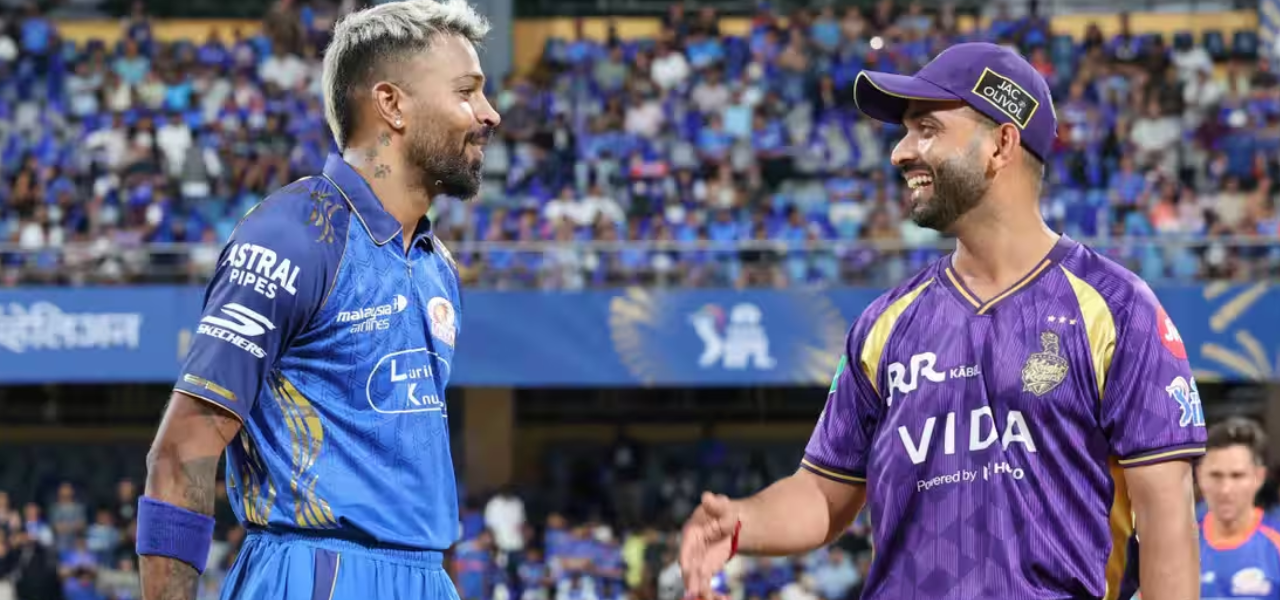
KKR, still mathematically clinging to a playoff thread by the barest sinews—think a spider web after a hailstorm—face Mumbai, already dismissed from contention. For most franchises, this would be a mere formality, a chance to trot out the bench. But this isn’t just any club cricket; it’s the IPL, a global juggernaut. Even an eliminated Mumbai Indians, helmed by the beleaguered Hardik Pandya, knows a bad performance here echoes louder than usual. Pandya, nursing back issues that sidelined him from a recent trip, is set to return. They say he’s trained ‘intensely,’ as if sheer willpower can mend bone — and sinew. “I’m a competitor,” Pandya remarked, his voice tight, in a pre-match huddle reported by a team official. “This isn’t just about the team now; it’s about setting the right example, showing what it means to wear this jersey. My form will come, but the fight? That’s always there.” That’s the sort of coded language you hear when a superstar feels the intense gaze of a nation’s critique.
Kolkata, for their part, can’t afford to coast. An ‘inconsistent season’ doesn’t quite capture the drama, the highs, — and the dizzying lows. They’ve seen losing streaks, injuries, — and frankly, some truly awful powerplay performances with both bat and ball. Their mystery spinner, Varun Chakaravarthy, remains a significant question mark. He trained, yes, but was seen limping, his foot presumably still giving him grief. Because even in sport, the body often keeps the score. “We aren’t thinking beyond the next ball, the next over,” stated a KKR spokesperson, managing to sound both cliché and utterly sincere. “Every single match, every moment, is a chance to show what we’re made of. Our fans deserve that, don’t they?” That kind of rhetoric holds little currency if they crash out, of course, but it’s what keeps the machine humming.
The stage itself is a brutal co-star tonight. Eden Gardens offers a batting-friendly flat deck, ideal for chasing. Short square boundaries, a quick outfield—the kind of conditions that make bowlers groan. But the real villain? The weather. Severe, oppressive humidity, hovering around 65% to 70%, paired with the ever-present threat of a thunderclap. Players will feel it. They’ll feel the 30°C to 33°C heat pressing down, making every run between the wickets a marathon. You could practically wring the sweat out of the air—and the players. One would be hard-pressed to imagine a more grueling environment for high-level athletic performance.
Historically, Mumbai Indians have held the upper hand against KKR. Out of 36 head-to-head matches, MI boasts 25 victories, a dominant record that speaks volumes to past rivalries, if not current form. The IPL’s economic power, after all, isn’t built on fairytales alone; it’s built on dominant teams and individual brilliance, sustained across seasons. But history means little when reputations are on the line, and contracts—which in this league can run into millions—are decided on tonight’s efforts.
What This Means
This match, seemingly a footnote in the grand IPL narrative, offers a microcosmic view into the unrelenting commercial engine that powers South Asian cricket. Because even without playoff implications for one side, the viewership numbers for KKR vs. MI games across India, Bangladesh, and other parts of the subcontinent—unofficially, yes, including a significant following in neighboring Pakistan where IPL remains a topic of fervent discussion despite geopolitical hurdles—are colossal. Broadcast rights, advertising slots, fan engagement: these aren’t dictated solely by playoff berths. They’re driven by star power, legacy, — and the sheer love of the game. For Pandya, specifically, it’s an audition. He’s reportedly been offered another lucrative brand endorsement deal linked to his post-IPL performance, suggesting that the individual marketability of players transcends immediate team results. A poor showing today isn’t just a loss; it’s a potential hit to personal brand equity. And for KKR, holding onto those slender hopes keeps fan wallets open — and the sponsorship machine churning. It’s not just a sport; it’s a multi-billion dollar enterprise where even the most uncomfortable, humid Tuesday night in Kolkata carries substantial commercial gravity. Think of it as a global game of allegiance, both to a franchise and to an economy, playing out under challenging skies.