


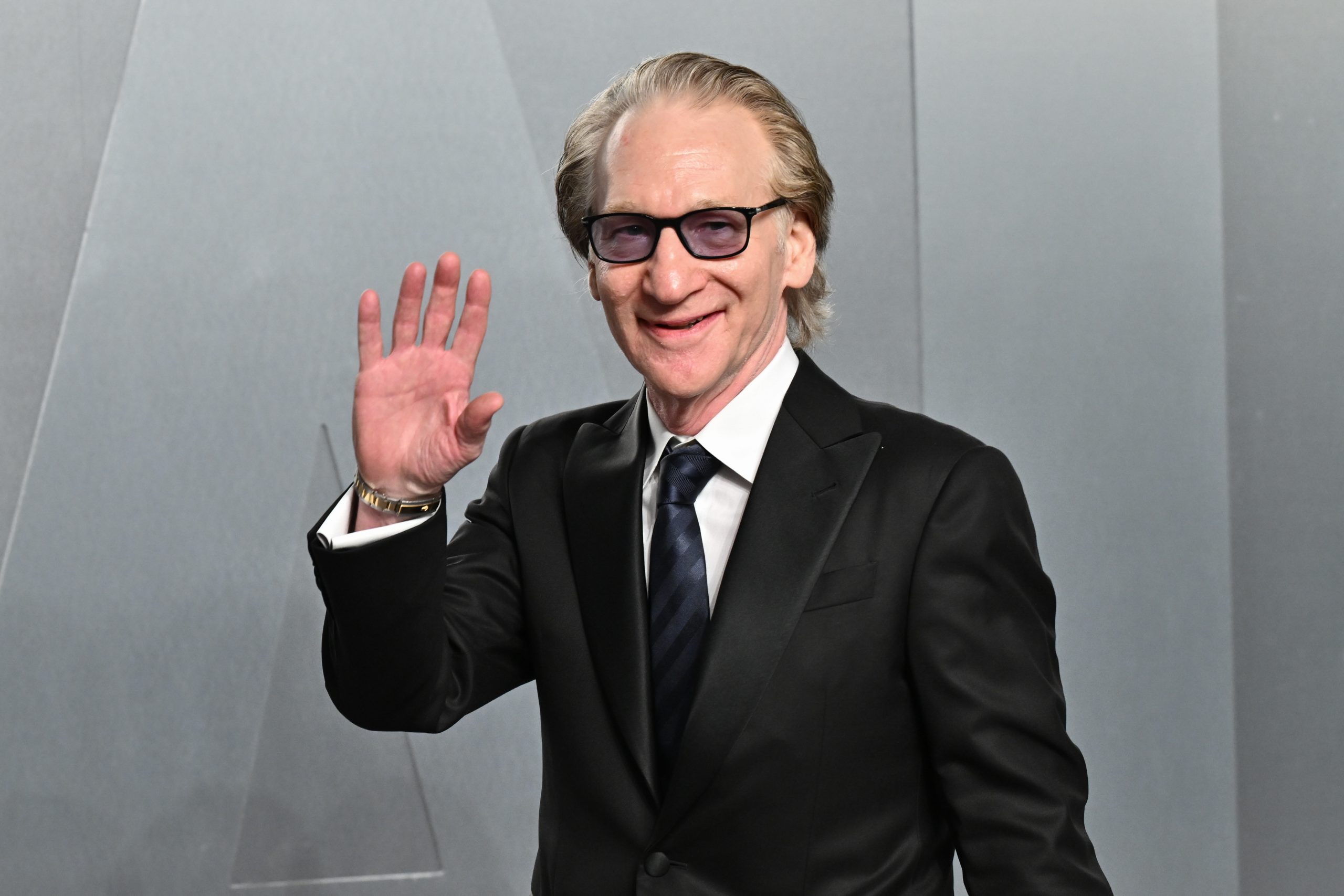
Cultural Calculus: Kennedy Center Sheds Trump Branding Amid Maher’s Twain Triumph
POLICY WIRE — Washington D.C., USA — The capital’s cultural scene, ever a barometer for the nation’s political climate, just performed a quiet, calculated sleight of hand. While pundits squabbled...

POLICY WIRE — Washington D.C., USA — The capital’s cultural scene, ever a barometer for the nation’s political climate, just performed a quiet, calculated sleight of hand. While pundits squabbled over the guest list for Bill Maher’s forthcoming Mark Twain Prize for American Humor, held with typical pomp at the John F. Kennedy Center for the Performing Arts, a different kind of erasure was underway—one you wouldn’t find splashed across cable news.
It’s no small thing. Longstanding names define our institutions, you know? And when a name gets yanked, even subtly, that’s a statement. This recent shedding of any lingering association with the 45th president by a storied cultural pillar like the Kennedy Center suggests a fresh recalibration. A quiet repositioning, really, as if adjusting a poorly hung painting in plain sight. They’ve gone and scrubbed mentions or associations—specifically any formal branding—of the previous administration’s namesake from parts of the sprawling, brutalist temple to the arts. Think about it: cultural memory isn’t always etched in marble; sometimes it’s just a banner on a webpage that suddenly disappears. It’s a pragmatic move, not necessarily one of artistic integrity or fierce ideological stance, but a nod to the prevailing winds, which are, shall we say, blowing in a different direction.
But back to Maher. That same evening, amidst the capital’s grandiosity, a motley crew of comedians, actors, and political satirists were being announced as participants in the Twain Prize honoring the sharp-tongued host. Stephen Colbert. Jerry Seinfeld. Arsenio Hall. Comics of varying political stripes (mostly left, let’s be honest, it’s Maher after all) gathering to celebrate a figure whose career has often thrived on a specific brand of political dissent. The Twain Prize itself, an institution in its own right, consistently finds itself wrestling with the line between humor and pointed commentary, between celebration and critique. It’s never just about the laughs.
The subtle rebranding at the Kennedy Center, juxtaposed with the loud fanfare surrounding Maher, sketches a vivid picture of America’s cultural tightrope walk. One foot’s in reverence for a storied past, the other tentatively steps towards a, shall we say, less fraught future. It’s a bit like seeing someone change out their portrait on the mantle after a particularly messy divorce—they don’t need to shout about it, the act itself speaks volumes. And it isn’t unique to America. Across the globe, especially in developing nations often looking to align with global cultural norms or curry favor with international bodies, institutional names get re-evaluated with the shifting geopolitical tides.
Consider the parallel. In Pakistan, for instance, public spaces or institutions named after controversial historical figures frequently come under review as new political or social movements gain traction. The ghost of colonial administrators or disputed heroes, they’re either celebrated or systematically removed from public recognition, depending on the ruling ideology of the day. A similar sensitivity to names and their connotations can be observed throughout the Muslim world, where branding often carries not just commercial weight, but significant religious or political overtones. There, a name isn’t just a name; it’s an assertion of identity, a declaration of allegiance. Changing it isn’t merely an administrative act, but a societal ripple. It’s got deep roots, that kind of re-evaluation.
According to a 2023 survey by the National Endowment for the Arts, only 38% of Americans believe that cultural institutions should actively engage in partisan political branding. That leaves a large majority preferring a neutral ground, a silent statement that explains, in part, why these institutions are so careful with whose name adorns their hallways. They’re trying to navigate that public expectation while still maintaining relevance—it’s a tricky balance.
Because ultimately, these institutions are like any other brand in the marketplace of ideas. They’ve gotta protect their equity. Maher’s award, while politically charged in its very essence (because he’s Maher, duh), is celebrated under the neutral banner of American humor. No single, divisive name overtly brandishing the entire event. It’s a clean slate, relatively speaking, allowing the spotlight to fall squarely on the recipient’s perceived artistic merit, not the ideological baggage of a past donor or honoree. And that’s the rub, isn’t it?
When the Kennedy Center declines to publicly elaborate on its decision, citing general updates or [QUOTE_PLACEHOLDER] in official communiqués, we’re left to read between the lines. It isn’t difficult. It’s an establishment, after all. They don’t typically do things without a reason—or ten.
What This Means
This subtle, unannounced rebranding at a marquee institution like the Kennedy Center sends a clear message. It’s an acknowledgment of political volatility — and the ongoing polarization within American society. By quietly excising specific past affiliations, these cultural behemoths aim to safeguard their broader appeal and public funding streams, which can be surprisingly fragile. It isn’t an ideological declaration so much as a strategic move to ensure continued philanthropic support and broad audience engagement in an increasingly tribalized nation.
Economically, it suggests a pragmatic calculation: alienating a significant segment of the populace by retaining controversial branding simply isn’t good for business, even the business of high culture. The implication for political discourse is even sharper: it’s an institutional endorsement—or at least an accommodation—of a shifting political norm. It’s essentially saying, We’re past that now. This kind of re-alignment will likely influence other major cultural entities, both private and publicly funded, particularly those reliant on government endowments or wide donor bases. Expect more institutions to subtly scrub or rename affiliations perceived as divisive, consolidating a return to a more perceived centrist cultural space.
This dynamic impacts how international partners, like those in South Asia or the Middle East observing US cultural politics, interpret America’s public face. A perceived distancing from controversial figures by a cultural leader like the Kennedy Center can influence bilateral cultural exchange programs and perceptions of American soft power, positioning the US cultural sector as less partisan and more broadly accessible, a calculated diplomatic gesture, perhaps, for navigating complex international relations.
The whole exercise showcases how politics aren’t just for elections or policy debates; they’re woven into the very fabric of our cultural institutions, down to the name on a plaque or a section of a website. It’s a reflection, plain and simple, of whose narratives are currently dominating the American cultural arena.