


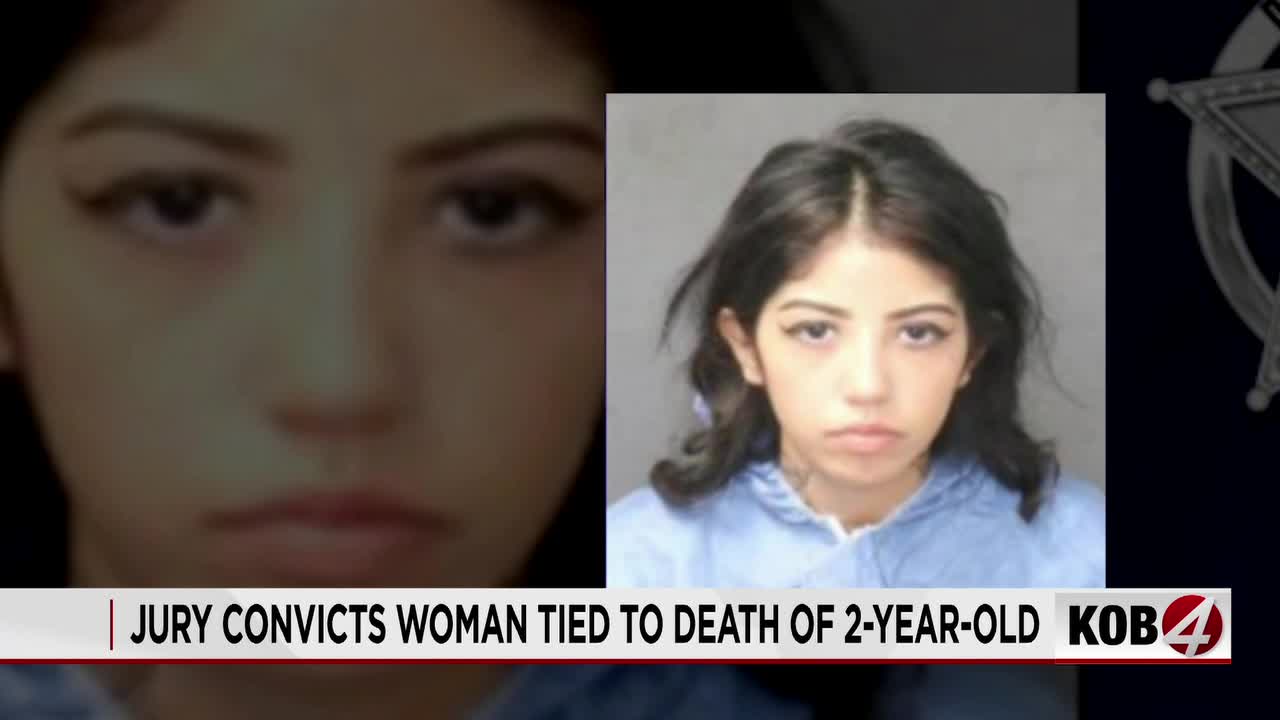
The Weight of a Lie: Albuquerque Jury Convicts Woman in Toddler’s Fatal Shooting Cover-Up
POLICY WIRE — Albuquerque, New Mexico — The silent, suffocating grip of sorrow’s cruel embrace, following an unimaginable tragedy, often leaves scars (the kind that never truly fade, mind you)...

POLICY WIRE — Albuquerque, New Mexico — The silent, suffocating grip of sorrow’s cruel embrace, following an unimaginable tragedy, often leaves scars (the kind that never truly fade, mind you) far deeper than any physical wound. And yet, sometimes, that agony is compounded by perfidy, by the very people meant to protect innocence. That’s the melancholy undercurrent of a recent verdict in Albuquerque, where a jury has painstakingly laid bare swaths of obfuscation surrounding the death of a two-year-old boy.
It wasn’t the accidental gunshot that stole the child’s life that was on trial this past week. Not directly, anyway. Instead, jurors weighed the actions of a woman accused of shrouding the immediate aftermath, of attempting to expunge the very clues that might’ve brought swifter clarity to a family shattered by loss. Few chronicles cut quite as sharply as those where young lives are pointlessly snuffed out, especially when accountability seems to slip through grasping fingers, like water from a sieve. Just a real gut punch.
Behind the headlines, a court in New Mexico’s largest city rendered its judgment against Angel Morales, finding her guilty on two counts of tampering with evidence and one count of conspiracy to commit tampering. These weren’t charges relating to the pull of the trigger itself, but rather the desperate, errant endeavors to scrub the crime scene, to morph the narrative of a boy’s final, tragic moments.
Prosecutors had contended that Morales was present in the home when the toddler, whose name was withheld in court proceedings to protect his family’s privacy, found an unsecured firearm. That’s when the unspeakable calamity unfurled—the child, a tiny human utterly unaware of the deadly implications, picked up the weapon and, in a horrifying instant, shot himself in the chest. What followed, investigators contend, was a calculated attempt to orchestrate the scene, creating a legal quagmire that only deepened the pain.
Amilia Garcia, the boy’s mother, had already pleaded guilty to child abandonment earlier this year. Her admission emanated from leaving the handgun on a TV tray, a tragically accessible perch for a curious child. It’s a stark reminder of the dire repercussions of firearm negligence, a point experts repeatedly stress. And it’s a lesson we seemingly can’t learn.
“Every unsecured firearm in a home with children is a loaded risk,” declared bluntly Chief Prosecutor Maria Hernandez during a press briefing outside the courthouse. “This verdict isn’t just about tampering; it’s about the fundamental responsibility to protect our most vulnerable, and the desperate, morally bankrupt lengths some will go to avoid that responsibility, even after the fact.”
Indeed, the numbers are grim. Data from the Centers for Disease Control and Prevention (CDC) lays bare that multitudinous scores of children are killed or injured by inadvertent shootings annually in the United States, often due to unsecured firearms in the home. In 2021 alone, unintentional firearm deaths among children aged 0-14 reached 139.
For cultures that place a particularly high reverence on communal responsibility and family honor, such as many communities across South Asia, the concept of a preventable child death followed by an attempt to cover up details can carry an even heavier social burden. While legal systems diverge dramatically, the universal anguish over a child’s loss and the desire for justice resonate deeply. In places like Pakistan, where illicit firearms are ubiquitous in some regions, accidental shootings, though often not publicized with the same legal scrutiny, tragically accentuate the need for enhanced firearm safety education and strict accountability measures, regardless of cultural context. The specifics may change. But the horror of a child’s inadvertent death by firearm remains tragically unyielding, doesn’t it?
The defense, for its part, sketched a tableau of panic and fear, contending that Morales wasn’t acting maliciously but impulsively in the face of an overwhelming calamity. “No one can truly comprehend the chaotic horror of that moment,” insisted defense attorney Ben Carter. “My client, while now regretting her choices, was not attempting to evade justice for the child’s death, but simply overwhelmed by the immediate, tragic reality.”
And that matters. The jury’s decision underscores they saw more than just panic; they saw intent to obstruct. The math’s unvarnished: a life lost, a mother facing consequences, and now, another individual held to account for the attempt to muddle the truth.
What This Means
This verdict sends a frigid missive beyond the immediate courtroom drama. Make no mistake. It accentuates the legal system’s abhorrence for obstruction of justice, particularly in cases involving egregious detriment to children. Prosecutors aren’t just pursuing the primary cause of death—the sheer, visceral horror of a child’s accidental self-inflicted wound, a nightmare no parent should ever endure—they’re aggressively targeting anyone who hampers the path to truth and closure for victims and their families. This isn’t just a win for the prosecution (though they’re surely savoring it); it’s a bolstering of procedural integrity in the face of tragedy.
it subtly compels individuals in similar situations to come forward with information rather than attempting to obscure it, lest they face equally severe charges. Economically, such high-profile cases can ignite fresh clamor for gun safety legislation and public awareness campaigns, potentially reverberating through firearm sales or insurance rates related to gun ownership. Politically, it galvanizes advocates for stricter gun control and child safety laws, pushing for legislative action that aims to stave off future heartbreaks. It’s a ripple effect, indeed, sending tremors far beyond the courtroom’s hushed confines, like stones skipping across a vast, still lake.
So, the question of prevention perdures. Will this conviction truly dissuade similar acts of desperation or carelessness? It’s a convoluted policy challenge. While the legal consequences for tampering are clear, the deeper societal issue of unsecured firearms in homes remains a recalcitrant quagmire, especially in states like New Mexico.
Related: New Mexico Braces for Extreme Fire Danger as Winds Return to Arid Landscapes
The state has seen its share of legal battles over gun rights and responsibilities—a contentious, often vitriolic debate that slices through communities and political divides like a dull knife—reflecting a national divide. This case won’t resolve that particular squabble, but it certainly adds a bleak installment to the ongoing conversation.
A seasoned legal analyst, speaking on background, opined that cases like this inevitably kindle pleas for more holistic strategies to child safety. “We’re likely to see a renewed focus on secure storage laws — and public education campaigns,” they prognosticated. “The system isn’t just prosecuting individuals; it’s trying to send a loud, clear message that the cost of negligence and dishonesty can be cataclysmic, not just personally, but societally. This isn’t the end of the story, not by a long shot. It’s simply the close of one particularly painful chapter, — and a stark warning to others.”
Related: Petty Theft, Brutal Consequence: Hobbs Man Jailed for Liquor Store Shooting