

New Mexico Braces for Extreme Fire Danger as Winds Return to Arid Landscapes
POLICY WIRE — ALBUQUERQUE, N.M. — It’s a perennial ordeal of trepidation for New Mexicans: the return of spring’s winds, heralded not by the rustling of burgeoning green leaves, but by the...

POLICY WIRE — ALBUQUERQUE, N.M. — It’s a perennial ordeal of trepidation for New Mexicans: the return of spring’s winds, heralded not by the rustling of burgeoning green leaves, but by the disquieting murmur of red flag warnings across a parched landscape. Not since the devastating fire seasons of recent memory have communities felt quite so on edge, with meteorologists predicting a galloping surge in powerful gusts that could transmogrify a single spark into an unbridled conflagration — the kind that rips through everything in its path, leaving only char and ash in its wake.
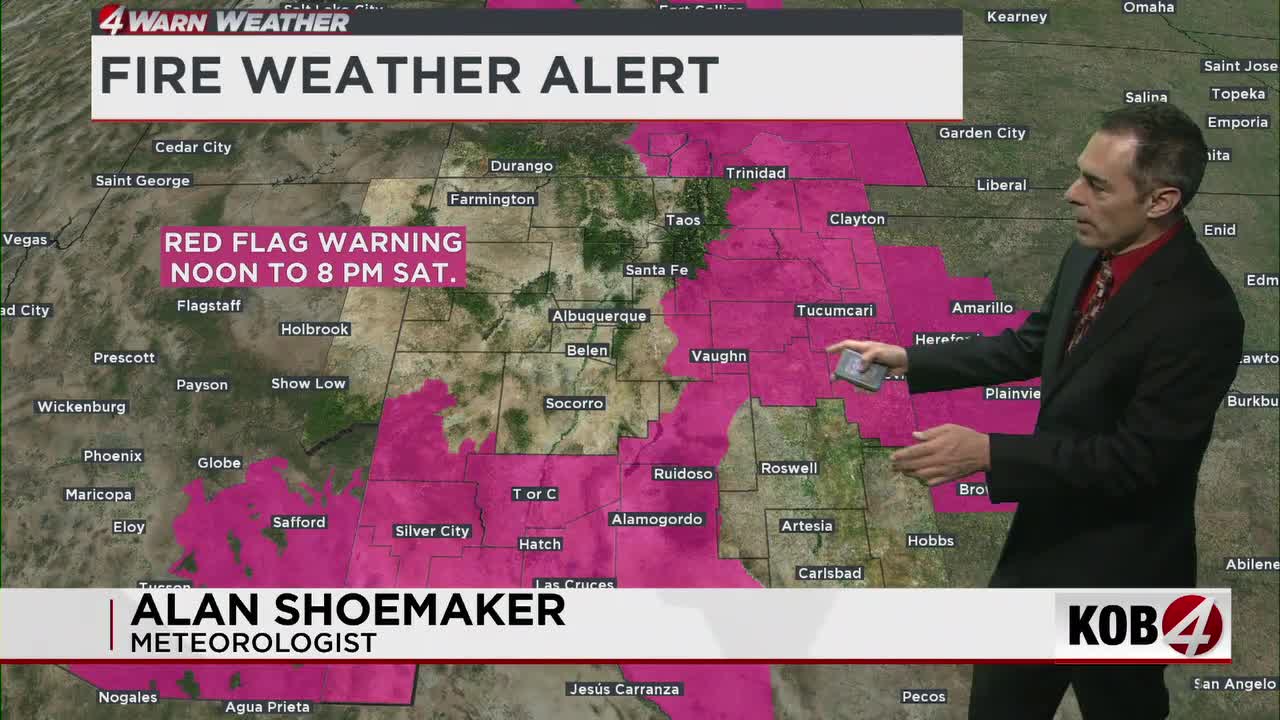
Few forecasts, if we’re being honest, carry as much weight in this high desert state as those concerning wind, especially when paired with bone-dry conditions. Just this weekend, weather patterns have conspired to concoct an incendiary brew, pushing much of eastern and southern New Mexico into an elevated state of alarm. Experts warn that afternoon wind gusts could easily top 45 mph, a speed that doesn’t just stoke infernos, but can carry embers miles ahead, creating new blazes in its wake. Think about that for a second. Miles.
Make no mistake, this isn’t merely about blustery weather. It’s an existential menace to homes, livelihoods, — and the vast, fragile ecosystems that define the region. For communities in the path of potential wildfires, the dread is tangible, a collective memory of smoke-choked skies and forced evacuations. Who actually enjoys choking on smoke, anyway? Nobody. That’s who.
The Looming Threat
Behind the headlines of wind advisories lies a deeper, more disquieting saga: persistent drought. Years of paltry rainfall have left forests — and scrublands parched, prepped like a tinderbox. This weekend’s weather system, while not unusual in its intensity, arrives at a moment of acute susceptibility for the state.
Indeed, fire weather watches now creep into areas around Albuquerque, with high wind watches shrouding central New Mexico, stretching from the southern highlands all the way to Raton Pass. These aren’t just technical meteorological terms; they’re pressing clarion calls for residents. Seriously.
When winds like these combine with low humidity, the peril escalates exponentially. They’ve already caused colossal havoc in the past. Damaging winds could easily fell trees, snap power lines, and leave thousands without electricity, making any emergency response a veritable nightmare. And travel, particularly for high-profile vehicles, could become outright treacherous — a situation no one needs.
“We’re beyond the point of just hoping for the best,” stated Governor Michelle Lujan Grisham during a recent press conference, her voice tinged with the gravity of the situation.
“Every New Mexican needs to understand the extreme danger we face. It’s about personal responsibility – don’t be the spark. Our firefighters are ready, but they can’t fight a fire that never starts.”
Her words illuminate the pivotal function public awareness plays in preventing catastrophe, especially when human activity is often the chief instigator of blazes.
But a brief respite, perhaps, could arrive late Saturday and Sunday near the Colorado border, with a few rain or mountain snow showers. That’s an ephemeral promise, though; forecasts indicate a return to dry, warmer conditions and sunny skies from Monday onwards, with another storm system possibly bringing moisture late next week, chiefly to the northern half of the state. So don’t hold your breath.
The situation in New Mexico doesn’t stand alone. Across the globe, nations wrestle with the accelerating ravages of a changing climate. The arid expanses of the American Southwest mirror, in a different form, the environmental challenges faced by vulnerable regions worldwide. Consider Pakistan, for instance — a nation that has contended with its own devastating, climate-driven catastrophes, from floods that displaced millions to brutal heatwaves that threaten agricultural cycles. It’s a poignant attestation that the fight against climate change isn’t circumscribed by borders or specific geographies; it’s a collective global imperative, necessitating collective resilience and prescience (not that anyone asked for my two cents, but it’s true).
According to the National Interagency Fire Center (NIFC), New Mexico piteously witnessed over 600,000 acres burn in 2022 alone, principally fueled by increasingly extreme weather patterns. That’s a landmass larger than the state of Rhode Island, reduced to cinders in a single season. A staggering sum.
Related: Albuquerque’s Dry Season Battle: City Ramps Up Wildfire Defenses Amidst Climate Shifts
What This Means
So, this heightened fire danger metamorphoses into significant political, economic, and social ramifications for New Mexico. Economically, the direct costs of suppression efforts are mind-boggling, often running into hundreds of millions of dollars annually, siphoning state budgets and diverting funds from other crucial public amenities. Beyond suppression, there’s the long-term economic toll on tourism, agriculture, and infrastructure, not to mention the astronomical price tag of reconstruction.
Politically, the continuous cycle of wildfires exerts extraordinary strain on elected officials to secure federal aid, improve forest management practices, and address the underlying causes of climate change. It’s an issue that eclipses partisan squabbles, necessitating prompt, resolute intervention. Public health is also a paramount preoccupation; smoke from wildfires can travel hundreds of miles, compromising atmospheric purity and respiratory health for vast populations (a grim distinction, if ever there was one).
From a public safety standpoint, state and local agencies must constantly hone evacuation plans and communication strategies. “Our priority remains the safety of our communities,” explained New Mexico State Wildland Fire Chief John Romero.
“We’ve prepositioned resources, increased patrols, — and are collaborating closely with federal partners. But every citizen has a role in reducing the risk, starting with basic fire prevention around their homes.”
His words resonate with the stark truth that prevention is often the most efficacious—and, let’s be real, cheapest—form of fire suppression.
The state’s natural resources, too, face irremediable devastation. Wildfires annihilate essential wildlife havens, aggravate soil denudation, and can desecrate water supplies, creating a cascading consequence that lasts for decades. It’s an intricate tapestry of ecological decay that only adds to the state’s enduring tribulations. Honestly, it’s a mess.
And looking ahead, meteorologists and climate scientists broadly concur: these extreme fire seasons aren’t aberrations; they’re becoming the unsettling standard. For New Mexico, this necessitates a proactive, rather than reactive, approach to wildland management, urban planning, and, paramountly, an unwavering dedication to climate resilience strategies. Failing to adapt now simply isn’t an option. Full stop.