

The Rise of Anti-Muslim Sentiment Under Narendra Modi’s BJP Government
India, a country known for its rich diversity and pluralistic society, has seen a shift in recent years under the leadership of Prime Minister Narendra Modi and his Bharatiya Janata Party (BJP)....
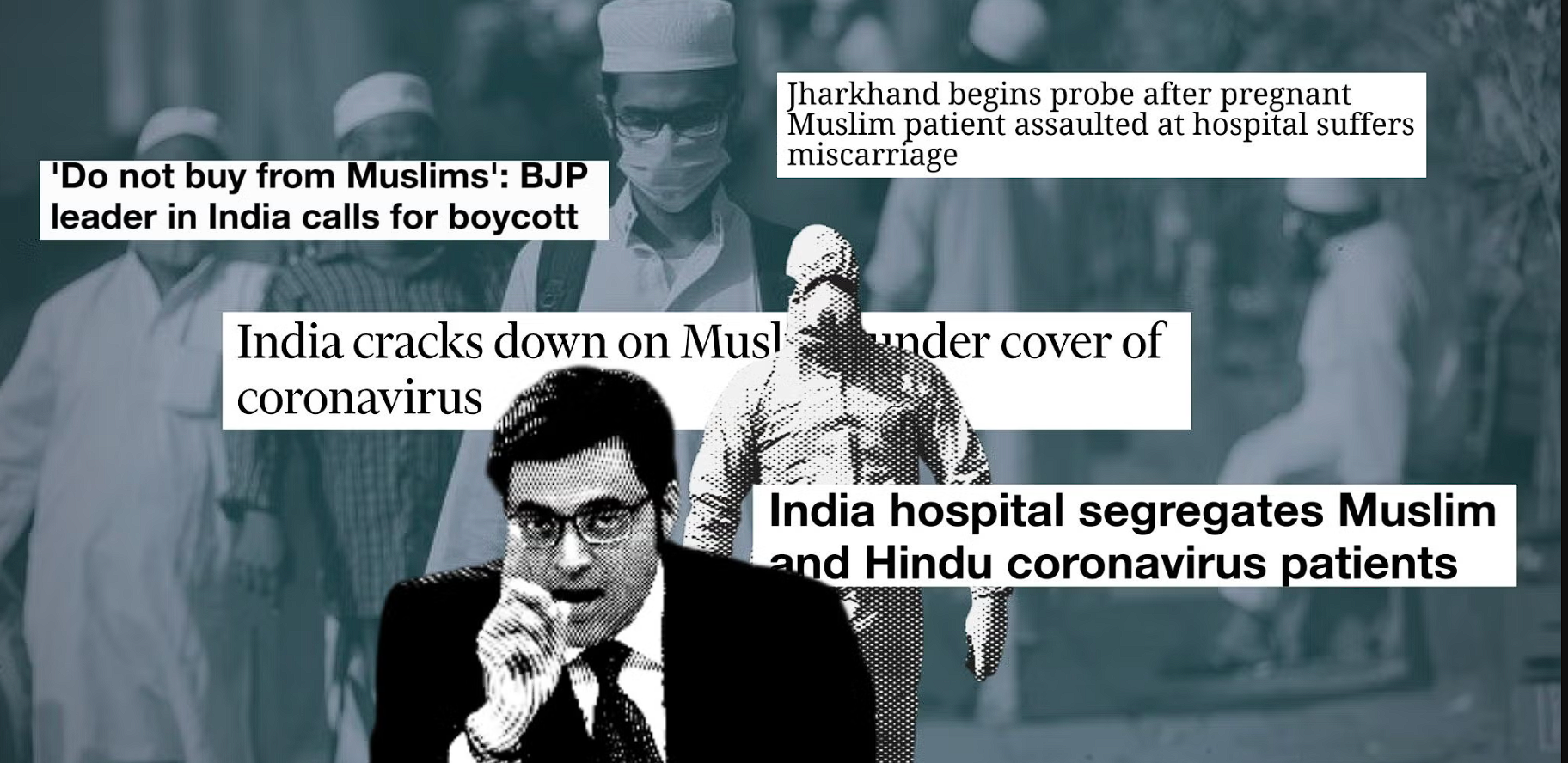
India, a country known for its rich diversity and pluralistic society, has seen a shift in recent years under the leadership of Prime Minister Narendra Modi and his Bharatiya Janata Party (BJP). While the country has long prided itself on being a democracy that embraces people of all faiths, the rise of Hindu nationalist ideology under Modi’s government has raised serious concerns, particularly for the Muslim community. Across India, Muslims have faced growing hostility, fueled by government policies and rhetoric that have intensified divisions within society.
At the core of the growing anti-Muslim sentiment is the political rhetoric of the BJP and its leaders, who have repeatedly used inflammatory language to paint Muslims as outsiders and threats to national security. Prime Minister Modi and other high-ranking BJP officials have labeled Muslims as “infiltrators” and “illegal immigrants,” feeding into the narrative that Muslims are not truly a part of Indian society. These derogatory remarks have contributed to a rising sense of fear and suspicion, leading to increased communal tensions throughout the country. The BJP’s message has resonated with Hindu nationalist groups, emboldening them to act with impunity and carry out violence against Muslims under the pretext of protecting Hindu identity.
The government’s rhetoric is further reflected in its policies. One significant example is the Waqf Amendment Act, which gives the state greater control over Muslim properties. Critics argue that this law is part of a broader effort to diminish the rights of Muslims and further marginalize them from the political and social landscape. This act, along with other policies, has led to increased state surveillance and regulation of Muslim institutions, further deepening the divide between the Muslim community and the rest of the population.
In addition to these legal measures, there has been a disturbing trend of “bulldozer justice,” where the government demolishes the homes, businesses, and places of worship of Muslims, often without due process or legal recourse. This form of collective punishment has been used in several states, notably Uttar Pradesh and Gujarat, where Muslims have been targeted after communal violence. These demolitions have become a symbol of the BJP’s willingness to punish entire communities for the actions of a few individuals, and they have left Muslims feeling increasingly vulnerable and disenfranchised.
The bulldozer demolitions have not been limited to private properties; they also extend to Muslim religious sites. Mosques, schools, and other Muslim institutions have been demolished with little regard for religious freedom or the sanctity of these spaces. The government’s failure to intervene or hold perpetrators accountable for these actions has further reinforced the sense that Muslims are second-class citizens in their own country.
Moreover, the violence against Muslims has been facilitated by the rise of Hindu nationalist groups, many of which operate with tacit approval from the state. These groups have been emboldened by the government’s stance on issues such as cow protection and “love jihad,” a term used to describe interfaith marriages between Hindu women and Muslim men. These groups have carried out brutal attacks on Muslims, often targeting them under the guise of defending Hindu values. The government’s inaction in the face of such violence has sent a clear message that Muslims are not protected under the law, creating a climate of fear and insecurity.
The situation for Muslims in India has only worsened with the passage of controversial laws like the Citizenship Amendment Act (CAA) and the National Register of Citizens (NRC). The CAA provides a pathway to citizenship for non-Muslim refugees from neighboring countries, but it explicitly excludes Muslims. This has led many to fear that the government is intentionally discriminating against Muslims and trying to render them stateless. Similarly, the NRC, which requires citizens to prove their nationality, has disproportionately affected Muslims, many of whom lack the necessary documentation to prove their citizenship. These laws have fueled the perception that the BJP government is intent on reducing the Muslim population’s status and influence in India.
The impact of these developments has been deeply felt by Muslims across the country. Discrimination in education, employment, housing, and healthcare has become more pronounced, with Muslims facing systemic bias at every level of society. Muslim women, in particular, have been subjected to violence and intimidation, and many have been forced to navigate a hostile environment where their rights and safety are not guaranteed.
The international community has increasingly taken note of the situation in India, with human rights organizations condemning the growing persecution of Muslims under the BJP government. India’s reputation as a secular democracy has been called into question, as the government’s actions have led to a rising tide of communal violence and religious intolerance. Countries that have historically been allies of India are now expressing concern over the treatment of Muslims, with some calling for the government to uphold its commitment to secularism and religious freedom.
Despite the challenges, the Muslim community in India continues to resist and stand firm in the face of adversity. Muslims have rallied against discriminatory laws, organized protests, and raised their voices in defense of their rights. However, the government’s crackdown on dissent and the increasing polarization of Indian society have made it harder for Muslims to mobilize and protect their interests. Still, the resilience of the community remains a powerful force for change.
The rise of anti-Muslim sentiment under Narendra Modi’s BJP government is not just an attack on one community, but an assault on India’s democratic values. The policies, rhetoric, and actions of the BJP have fueled divisions within Indian society, leading to widespread discrimination and violence against Muslims. This growing hostility has left many Muslims feeling alienated and fearful for their future in India. It is crucial that the international community continues to pressure India to uphold its constitutional commitment to secularism and religious freedom, ensuring that all citizens, regardless of their faith, can live in peace and dignity. Only by standing against hate and discrimination can India return to its foundational values of unity and pluralism.
Author