


Northern California’s Playoff Paradox: Small-Town Dreams and Economic Ripples on the Diamond
POLICY WIRE — Redding, Calif. — The scent of fresh-cut hay, the quiet hum of distant irrigation, and the palpable tension of high-stakes youth baseball — these aren’t just snapshots of rural...

POLICY WIRE — Redding, Calif. — The scent of fresh-cut hay, the quiet hum of distant irrigation, and the palpable tension of high-stakes youth baseball — these aren’t just snapshots of rural Northern California; they’re the lifeblood. For generations, the seasonal crescendo of high school sports has served as the bedrock of local pride, a rallying cry louder than any town council meeting. And this week, the annual pilgrimage began anew as the Northern Section California Interscholastic Federation (NSCIF) formally unleashed its playoff brackets for Divisions IV-VI, turning sleepy communities into potential battlegrounds.
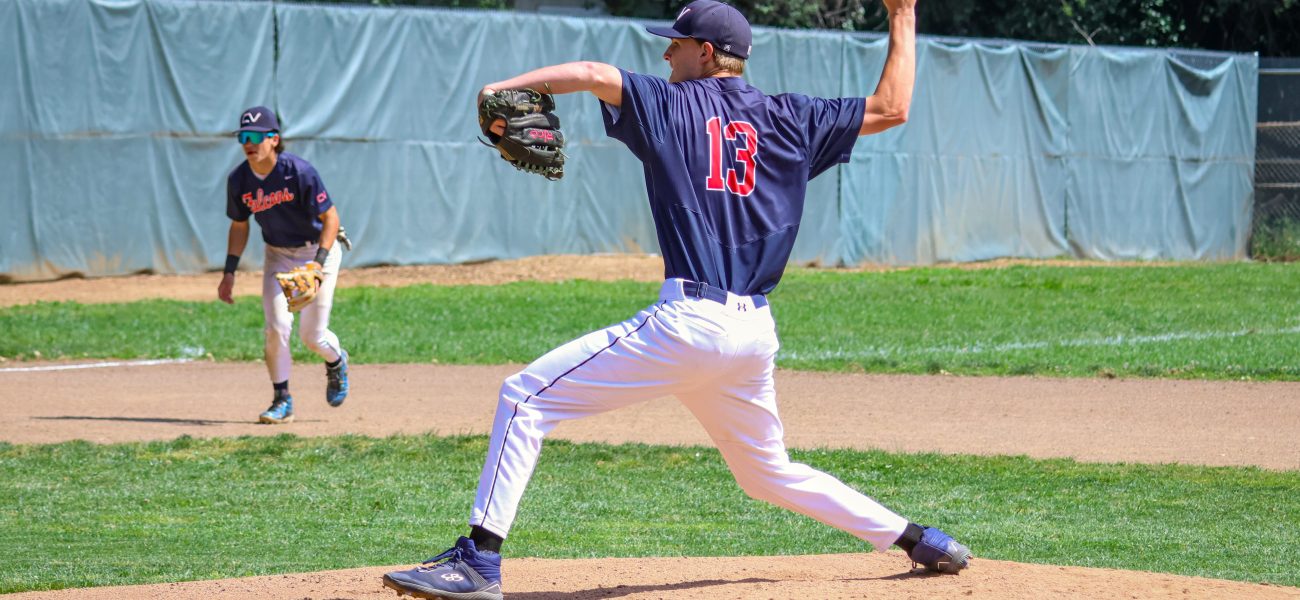
It’s easy to dismiss high school athletics as mere games, a footnote to more serious policy discussions. But try telling that to the folks packing the stands in Durham, a community whose collective breath is held hostage by its Trojans. Their baseball squad, a seemingly unstoppable force, wrapped up its regular season with a jaw-dropping 26-1 record. This isn’t just a win percentage; it’s civic currency, a quantifiable metric of community spirit, and a legitimate source of regional boasting rights. The team’s singular stumble? A rare misstep against Las Plumas, incidentally the No. 4 seed over in the Division II bracket.
“These games aren’t just about balls and strikes, not out here,” offered Supervisor Elena Rodriguez of the Butte County Board of Supervisors, whose district includes Durham. “They’re about community building, about giving our kids something real to strive for. They’ve united us, they’ve—and that’s a win for everybody, regardless of the score.” She isn’t wrong. Because in towns where the closest Walmart is a drive and job opportunities sometimes feel few and far between, the local nine offers a narrative of hope, skill, and sheer grit that’s deeply relatable. Redding-area teams U-Prep — and Central Valley, earning the No. 4 — and 5 seeds respectively, will duke it out early, setting up a neighbor-versus-neighbor drama.
These local skirmishes—often steeped in generational rivalries—aren’t unique to California. Just as fiercely contested are the school and club cricket matches that ignite towns and cities across Pakistan, for instance, where youth engagement through sports acts as an unofficial public policy, fostering discipline, teamwork, and national identity among young men and women. The stakes might differ, but the human impulse to compete, to belong, and to achieve collective victory transcends borders—it’s foundational.
“Look, when Maxwell hosts a playoff game, our diner doesn’t just see a bump; it sees a flood,” explained Janice Pinter, owner of the ‘Homestead Grub & Go’ in Maxwell, where the No. 1 Division VI Wildcats command considerable loyalty. “It’s Friday night lights, sure, but it’s also Friday night sales for local businesses. And trust me, every extra hamburger, every cold soda bought from visiting fans—that goes right back into our tiny economy.” It’s a localized economic ripple, a micro-stimulus package generated by the simple crack of a bat.
📄 POLICY WIRE WHITEPAPER PUBLISHED: PAKISTAN'S NATIONAL SECURITY POLICY PRIORITIES
👉 READ BY CLICKING HEREAnd Division V, another theater for small-town glory, isn’t short on drama either. Los Molinos, boasting an impressive 20-5 record, clinched the top spot, trailed closely by Hamilton — and Biggs. Then there’s Mt. Shasta, riding a fiery five-game winning streak into the fray, their last loss dating back to an April 24 tilt against Etna. You can bet that rematch, should it occur, won’t be lacking in local color.
What This Means
The release of these playoff brackets signals far more than just upcoming baseball games; it’s a bellwether for the state of community cohesion and local economies in Northern California’s more rural pockets. Politically, leaders like Supervisor Rodriguez understand the implicit social contract tied to successful high school athletic programs: they keep youth engaged, foster pride, and offer a powerful counter-narrative to external pressures like economic migration or shrinking town populations. For small businesses, these tournaments aren’t merely leisure events but genuine — albeit temporary — revenue injections, sustaining main streets struggling against larger chains. The commitment of school boards and local governments to maintain and fund these programs, therefore, becomes less about sports and more about long-term community health. But the subtext is plain: local baseball is as much about bolstering the human spirit and bottom line as it’s about pitching and catching. It represents, in a raw — and unapologetic way, the heart of these regions.
Redding Christian, holding the No. 3 spot in Division VI behind Maxwell — and Loyalton, will host Hayfork, looking to extend its winning streak. These opening games, all scheduled for 4 p.m. on Friday, May 15, aren’t just season openers; they’re the opening acts of renewed hope. For complete details, consult the full NSCIF playoff brackets. It’s more than just baseball; it’s the very soul of the region, battling it out under Friday afternoon sun.