


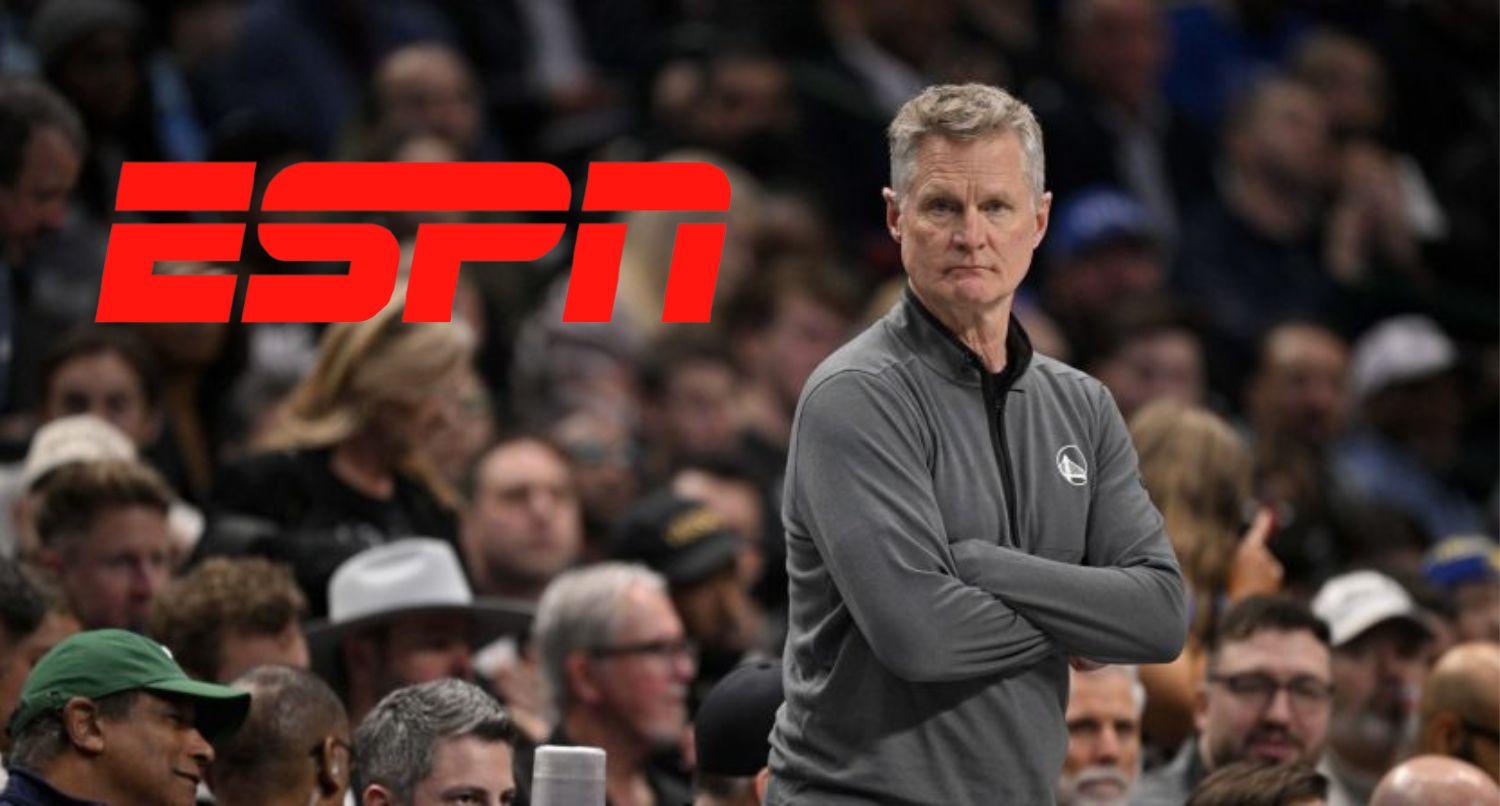
The Price of Calm: Inside ESPN’s Desperate Hunt for an NBA Whisperer, and Why the Deal Fell Apart
POLICY WIRE — New York, United States — Forget the slam-dunks and buzzer-beaters for a minute; the real high-stakes drama unfolded in negotiation rooms where a battle for star power was raging,...

POLICY WIRE — New York, United States — Forget the slam-dunks and buzzer-beaters for a minute; the real high-stakes drama unfolded in negotiation rooms where a battle for star power was raging, largely unseen. A championship coach, known for his calm demeanor and strategic brilliance, became the unwitting protagonist in a media bidding war so intense, it would make some political campaigns look quaint. Steve Kerr, Golden State Warriors’ mastermind, decided to keep coaching, but not before ESPN dangled a staggering sum—upwards of $7 million annually—to lure him away from the sidelines and onto a broadcast desk. Seven million bucks just to talk about basketball. Let that sink in for a second. For context, some smaller nations don’t spend that much on their entire national broadcasting budgets annually (for instance, the state-run Pakistan Television Corporation, PTV, operated with a budget of roughly $30 million for an entire year in recent estimates, demonstrating the sheer scale of the private media spending this industry commands).
It wasn’t merely about getting another face. Oh no, this was about legitimacy, gravitas, and finding that elusive, resonant voice in an increasingly cacophonous sports media landscape. ESPN, for all its colossal reach and market dominance, has been on a relentless, and somewhat embarrassing, hunt for an NBA broadcast team that sticks. They’ve cycled through four different lead trios in as many years for the NBA Finals. That’s a network searching for its soul, or at least a recognizable, respectable public face, in an industry obsessed with consistency and star power. They chopped veterans like Jeff Van Gundy and Mark Jackson not long ago, leaving a gaping void they’ve struggled mightily to fill. So, they set their sights on Kerr.
Kerr, you see, isn’t just any coach. He’s a multiple NBA champion, both as a player — and a coach. He speaks in complete sentences. He offers insight, not just heat. He commands respect, — and not just because he’s got rings littering his trophy case (and probably his fingers). ESPN wasn’t just “aggressively” pursuing him, as sources close to the network put it; they were practically begging him, offering almost any condition he could dream up. Even an exemption from those dreaded, shouty ‘hot-take panel shows’ that often feel like reality TV rather than actual sports analysis. They truly, truly wanted him. They were willing to break their own mold.
“We don’t just want talking heads; we want gravitas. Someone who can command an audience without shouting, someone who truly understands the game from every angle,” a high-ranking ESPN executive, who preferred not to be named due to the sensitivity of private negotiations, reportedly observed during the pursuit. “Kerr represents that rare blend of championship pedigree — and articulate insight. He could’ve been the anchor we desperately need.” And for an organization of ESPN’s magnitude, desperation breeds extraordinary offers. According to a 2023 report by Grand View Research, the global sports broadcasting market size was valued at USD 86.8 billion, a figure projected to grow significantly, highlighting the massive financial stakes involved in securing top-tier talent and market share.
But Kerr, it seems, has a different game plan. He spurned the lure of the analyst desk for another two years leading the Warriors. He committed, in essence, to his chosen craft, keeping him the highest-paid coach in the league, with his new contract set to eclipse his already considerable $17.5 million per year salary. “You can’t put a price on stability, on a winning culture. Steve embodies our values, and his presence means everything to our organization and our fans, year after year,” remarked Joe Lacob, majority owner of the Golden State Warriors, subtly acknowledging the value proposition that goes beyond a mere salary number. It’s about more than just money for some folks, you know?
And because the implications of such celebrity power transcend American sports pages, it’s worth noting the broader currents. These media decisions aren’t insular; they ripple across global markets. The quality and resonance of broadcast personalities like Kerr, even if he had made the leap, influence global viewership and market penetration for the NBA. From the teeming sports bars of Karachi to digital streaming hubs in Riyadh, discerning fans (and advertisers) respond to authentic voices. The hunt for such figures highlights the fierce global competition in media, where every major league strives to project its narratives and cultivate a fan base that often feels closer to an army of consumers.
What This Means
Steve Kerr’s decision isn’t just a simple contractual signing; it’s a quiet rejection of a dominant trend. It shows that, even in an era where celebrity transcends role, some individuals remain committed to their primary domain, seeing greater value in hands-on impact than in being a talking head—even a well-paid one. For ESPN, it’s a sobering reminder that money isn’t everything when you’re chasing authentic star power. They’ll have to keep digging, — and probably keep shelling out. The sports media landscape, particularly in the NBA, is a shark tank right now, with traditional broadcasters like ESPN battling newcomers like Amazon’s Prime Video and established players like NBC, all vying for eyeballs and the hefty advertising revenue that follows. Securing a trusted, informed voice is becoming increasingly critical as content proliferation dilutes impact. It’s not just about producing games anymore; it’s about crafting a narrative and selling it to a global audience that’s more discerning than ever. The stakes aren’t merely about filling airtime, but about shaping the entire experience, from the live game to the analysis that dissects it. And that kind of spectacle requires voices that resonate, voices like Kerr’s, whether on the bench or in the booth.