


The Perilous Freedom: Why India’s Cricket Coaches Back Mavericks in a Billion-Dollar Game
POLICY WIRE — New Delhi, India — In a nation where cricket isn’t just a sport but a fervent religion, the pronouncements from team management often feel less like tactical updates and more like...

POLICY WIRE — New Delhi, India — In a nation where cricket isn’t just a sport but a fervent religion, the pronouncements from team management often feel less like tactical updates and more like geopolitical decrees. It’s a tough gig, shaping the aspirations of over a billion, and balancing the primal urge to win with the often-messy realities of human talent. The constant pressure from armchair critics, paid pundits, and pretty much everyone with an internet connection is something else. But this week, Sitanshu Kotak, India’s batting coach, offered a candid — some might say almost rebellious — glimpse into the internal philosophy now steering one of the sport’s most influential sides.
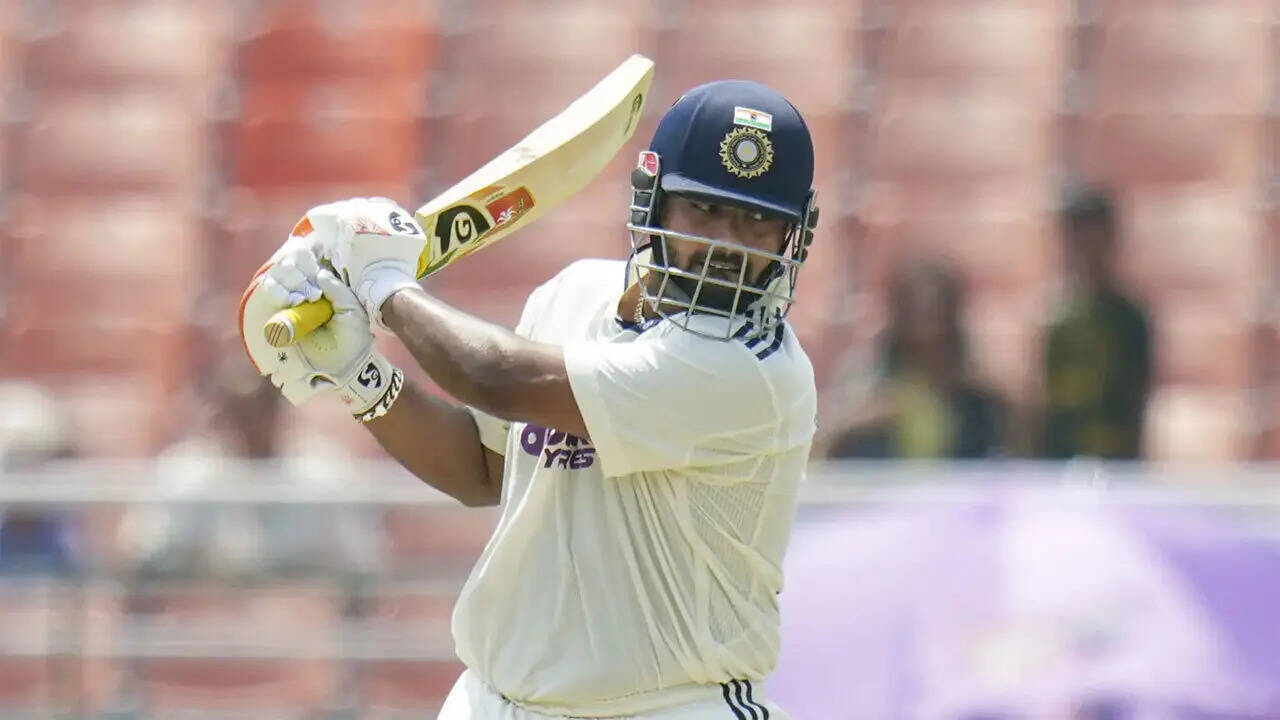
Kotak isn’t exactly pushing for conformity; quite the opposite. He’s doubling down on individual flair. We’ve seen how much noise surrounds players like Rishabh Pant, whose aggressive, unorthodox game leaves fans both ecstatic and pulling their hair out. “Why would anyone tell him how to bat?” Kotak mused recently, his voice carrying the weariness of a man who’s probably heard the same old advice peddled a thousand times. He’s a veteran, Kotak. He gets it. Pant, he explained, reads bowlers, changes gears, tries things others wouldn’t dare. That’s his superpower.
This isn’t just about one player, though. This is a larger gambit on instinct over rote learning, particularly in a sport often accused of stifling natural talent. Look at how Sai Sudharsan plays, or Shubman Gill, or KL Rahul. Different strokes for different folks, right? “What we want is for everyone to play their own game with complete freedom,” Kotak asserted. And honestly, it makes you wonder if other national setups across the Subcontinent – Pakistan included – are listening. India’s cricketing empire often sets the tone, a sort of regional soft power that dictates playing styles and coaching trends.
This philosophy carries enormous weight, both on the field — and off. Cricket isn’t some quaint pastime here. We’re talking about an industry. Forbes pegged the Indian Premier League’s (IPL) brand valuation at nearly $10.9 billion in 2023. These aren’t just athletes; they’re walking, breathing conglomerates of brand endorsements — and national aspiration. Fumbling with their natural game means fumbling with immense commercial interests, not to mention public sentiment. So, what you get, sometimes, are these wildcards. And Pant? He’s a true wildcard, a high-octane spectacle waiting to happen. The coach felt Pant’s innings — which admittedly fell short of a century against Afghanistan — still showed exactly why he’s one of the game’s most dangerous players. Because his unpredictable brilliance is also his undeniable marketability.
But this ‘play your own game’ mantra isn’t a free pass for irresponsibility, not entirely. Kotak stressed that while expression is key, the team’s requirements still sit at the very top. “When the team needs something specific… every batter has to respond to that need,” he clarified. A delicate tightrope walk, wouldn’t you say? Balancing individual stardom with collective success. “The modern game demands players who can adapt, yes, but crucially, who can also win games on their own terms,” said Sunil Gupta, a former India captain and now a well-regarded commentator, in a private chat this writer had. “Stifling talent for conformity is an old-world mistake we just can’t afford anymore.”
The development pathway’s a big deal too. Manav Suthar, the debutant left-arm spinner, got praise for his rise through the system, from Ranji Trophy to India A. Kotak admitted he always felt Suthar would play for India. “He’s talented, hardworking, consistent, — and bowls really well,” the coach stated, practically beaming. He also lauded Washington Sundar’s unwavering work ethic — and teenage sensation Vaibhav Sooryavanshi’s raw talent. What they’re cultivating is a talent pipeline that doesn’t just churn out players, but actual game-changers.
What This Means
This subtle but firm backing of individualistic batting approaches by India’s top cricket brass signals more than just a coaching philosophy; it’s an evolving strategy for maintaining dominance in a fiercely competitive global sports landscape. Economically, fostering genuine match-winners — even volatile ones like Pant — guarantees continued spectator interest, higher broadcasting rights, and premium brand partnerships. It reflects an understanding that in a highly commercialized sporting world, uniqueness sells tickets and generates revenue far beyond the traditional metrics of efficiency. Policy-wise, it pushes governing bodies, like the BCCI, to invest more in nurturing diverse skill sets rather than homogenizing talent, echoing a broader push for individual entrepreneurial spirit within India’s economic fabric.
Politically, India’s cricketing success carries significant soft power. A team full of charismatic, attacking players elevates national prestige, fuels cultural narratives, and offers a common, unifying spectacle in a country grappling with its own complexities. For neighboring countries in the South Asia region, including those with historical tensions like Pakistan, India’s success in cultivating these mercurial talents forces a reassessment of their own developmental programs. The message is clear: play it safe, — and you might just get left behind.