


The €70 Million Ghost: Liverpool’s Unholy Succession Battle Begins As Global Icon Departs
POLICY WIRE — London, UK — The Anfield edifice, usually so secure in its financial footing and sporting hierarchy, just experienced a rather seismic jolt. It’s not another trophy paraded through the...

POLICY WIRE — London, UK — The Anfield edifice, usually so secure in its financial footing and sporting hierarchy, just experienced a rather seismic jolt. It’s not another trophy paraded through the streets—not yet, anyway. It’s the stark, brutal reality of market forces and expiring empires hitting home, leaving a gaping, 70-million-euro-sized hole right where Liverpool Football Club’s crown jewel used to gleam. And you thought football was just about the goals.
No, this isn’t about who replaces Salah’s prodigious left foot—not primarily, anyway. This is about the sheer audacity of an institution ripping up a multi-million-pound contract a full year ahead of schedule, setting off a scramble that stretches far beyond Merseyside. The ripple effects? They’re felt everywhere, from the glitzy boardrooms of global sportswear brands to the hushed, early morning tea stalls in Karachi where the Premier League reigns supreme.
Mohamed Salah, the so-called ‘Egyptian King’ — and undeniably one of the game’s global marketing titans, is out. Gone. The man who inked a lavish £400,000-a-week deal just last year is now yesterday’s news in Liverpool’s immediate future. His exit, an open secret whispered behind velvet ropes for months, has finally coalesced into hard, cold cash. Because at this level of the sport, nothing truly exists until the paperwork’s signed and the wire transfers clear, right?
His departure isn’t just a matter of changing personnel on the team sheet; it’s a re-evaluation of commercial strategies and a fresh audit of cultural impact. For millions across North Africa — and the wider Muslim world, Salah wasn’t just a footballer. He was—is—a symbol. His visibility, his reverence for his faith, his astonishing talent: it’s an intersection of soft power and athletic prowess few others achieve. His presence drew eyeballs, merchandise sales, and even a deeper engagement with the Premier League in markets vital for its global expansion. Losing that, you don’t just replace it with another goalscorer; you’re looking for a new continent, commercially speaking.
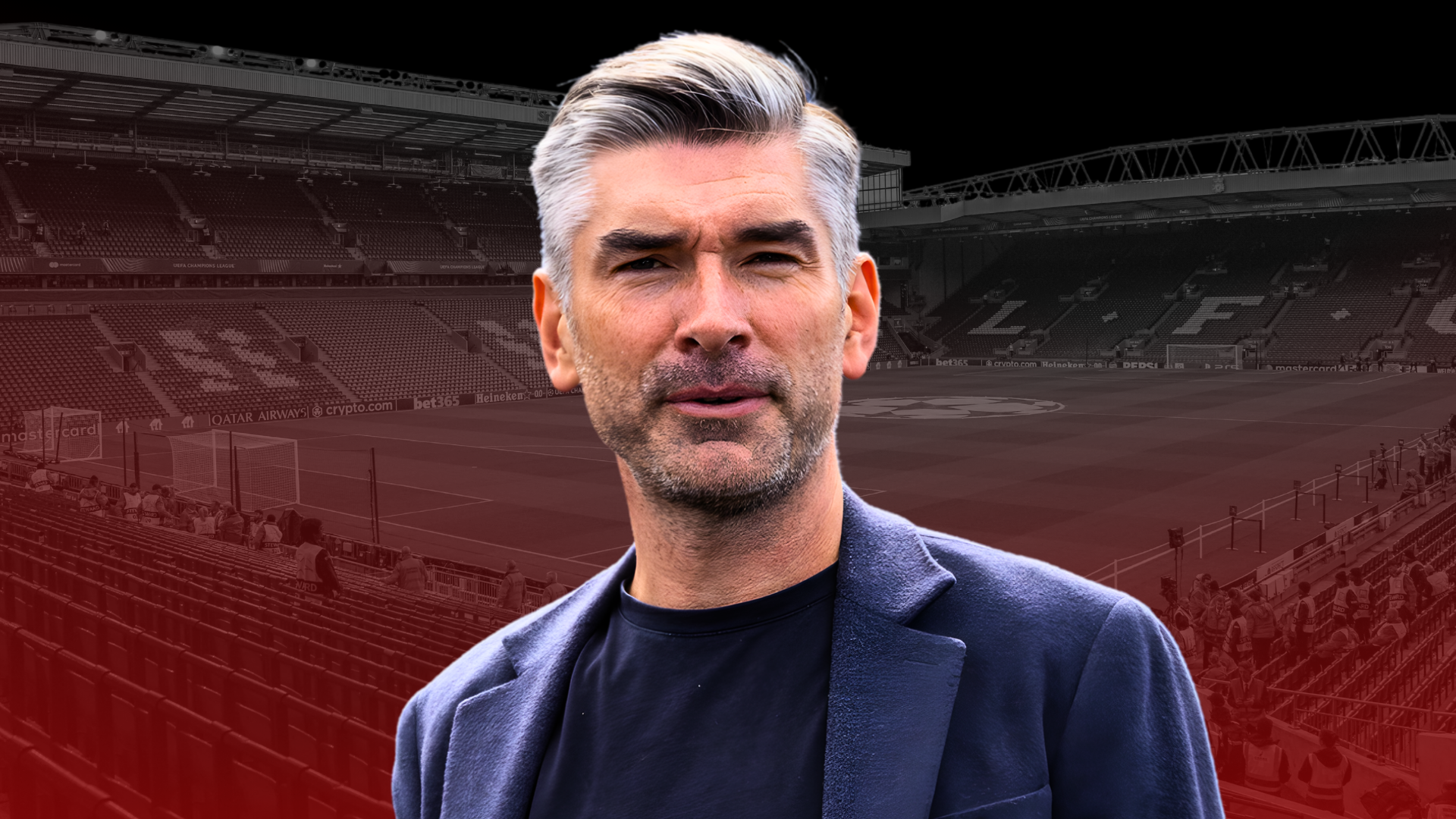
The club’s new sporting director, Richard Hughes, alongside manager Arne Slot, are now facing perhaps the most unenviable task in European football: finding a spiritual successor to an almost irreplaceable icon. Rumors are swirling, naturally, but one name keeps bubbling up like an un-popped bubble in an expensive champagne flute: Jarrod Bowen. The West Ham United forward, valued reportedly at north of £60 million (or perhaps ‘less than £60 million,’ depending on which club you’re asking, an eternal dance in this game of high finance), seems to be at the top of their shopping list. And they’re not the only ones eyeing him.
“Replacing a figure like Mohamed Salah? It’s not just a transfer, it’s a re-foundation,” stated a somber but determined Arne Slot in a recent, hushed press briefing. “We’re not looking for another Salah; we’re looking for the player who can lead us into the next era. And that, believe me, requires both courage — and immense fiscal dexterity.”
West Ham, as you’d imagine, isn’t exactly champing at the bit to let Bowen stroll out. He’s been their talisman, an incredibly robust character who started every single Premier League game this season, substituted just twice. A senior figure at West Ham, speaking on condition of anonymity to avoid exacerbating an already sensitive negotiation, made it clear: “Jarrod’s signed on until 2029. He’s the engine room. Any club wanting him will need more than good intentions. They’ll need to make an offer that forces a rethink of our entire economic model, not just a casual bid.”
This isn’t mere posturing. Bowen notched eight Premier League goals and provided ten assists this season, according to official Premier League statistics, proving his worth even in a team fighting relegation. Newcastle and Everton are reportedly also circling, but Liverpool’s historic pull (and wallet size) often triumphs when push comes to shove.
What This Means
Salah’s unexpected early departure, even with its lucrative financial incentives, speaks volumes about the shifting sands of player power and the sheer financial muscle elite clubs now flex. It’s less a contractual dispute and more an orchestrated, high-stakes severance, demonstrating that even a contract worth nearly half a million quid a week isn’t sacred. For clubs like West Ham, this creates a volatile situation where their star assets are always vulnerable to predatory offers, regardless of contract length. But it also creates opportunities, like a potential cash injection of £60 million or more, which for a mid-tier Premier League club could be transformational.
Economically, it underscores the speculative nature of top-tier football transfers. Clubs gamble monstrous sums, hoping for not just on-pitch success but also commercial penetration into new territories. For Liverpool, losing Salah means rebuilding a global brand ambassador from scratch—a tough ask. His popularity wasn’t just confined to England or Egypt; his image resonated with fans in bustling bazaars and quiet homes right across Pakistan and Bangladesh, a lucrative, underexplored market for the Premier League’s expansionist ambitions. How Liverpool mitigates this broader commercial impact will be as telling as their next signing.
And then there’s the broader narrative of legacy. When legends depart, it forces a re-evaluation of what makes a club. Is it the individuals, or the institution? In this age of personal brands eclipsing team identities, Liverpool’s challenge is to reassert the latter, all while trying to plug a very public, very expensive, and very important hole with a new, equally impactful signing. A tall order, don’t you think?