


The Perplexing Papers: A Scottish Political Firestorm and the Scrutiny of Belonging
POLICY WIRE — Edinburgh, Scotland — The haggis is in the fire, as they say, and this time it isn’t just about independence or fiscal budgets. It’s about paperwork. Specifically, the...

POLICY WIRE — Edinburgh, Scotland — The haggis is in the fire, as they say, and this time it isn’t just about independence or fiscal budgets. It’s about paperwork. Specifically, the bureaucratic nightmare, the Kafkaesque journey that can define one’s place — or displacement — in modern Britain. When the fate of a sitting Member of the Scottish Parliament hangs on the finer points of immigration law, you know it’s not just a person being scrutinized; it’s an entire system.
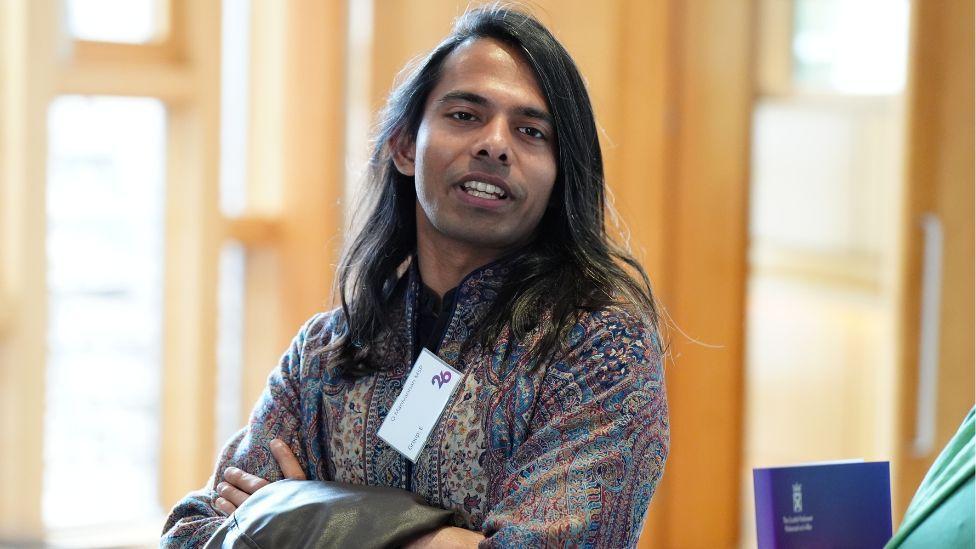
This particular political spat isn’t about policy; it’s about existence. And what better way to stoke the embers of division than by questioning a politician’s fundamental right to be where they’re? Humza Ali, a Scottish National Party MSP from Glasgow Central, has found himself caught in an unforeseen undertow, grappling with revelations concerning a lapsed visa for a close relative. The whispers turned to shouts, and now we’ve got a full-blown row, an unseemly public airing of what ordinarily remains locked away in dusty Home Office files.
It’s a peculiar thing, really, how easily a politician’s personal affairs can become a political football. Ali, a prominent voice for Glasgow’s diverse communities, faces calls for his resignation from opposition benches, their accusations sharp-edged and plentiful. They claim he misled the public, suggesting an administrative oversight morphed into something far more sinister, implying a flagrant disregard for the very laws he helps to legislate. Because, let’s be honest, in this game, optics often trump facts.
“This isn’t merely an administrative hiccup; it raises serious questions about integrity and adherence to the rule of law for someone in such a sensitive position,” fumed Donald Fraser, a Conservative spokesperson on constitutional matters, barely concealing a grin as he delivered the line to waiting reporters. You could practically taste the political opportunism in the air. But Ali’s defenders aren’t letting up, hitting back with their own broadsides, decrying what they call a targeted smear campaign designed to delegitimize a respected public servant of immigrant heritage.
“Mr. Ali has always been transparent about his family’s circumstances, and to weaponize a common bureaucratic hurdle for cheap political points is frankly deplorable,” countered Shirley-Anne Somerville, a senior SNP minister, her tone tight with controlled anger. “We stand by Humza, and we expect better from our political discourse.” And, she’s right, it doesn’t take much to imagine the stress involved. This isn’t just about political power, it’s personal; it cuts to the bone of belonging, something that reverberates deeply within Scotland’s diverse Pakistani diaspora, a community that’s been woven into the fabric of the country for generations.
📄 POLICY WIRE WHITEPAPER PUBLISHED: PAKISTAN'S NATIONAL SECURITY POLICY PRIORITIES
👉 READ BY CLICKING HEREThink about it: families, careers, entire lives built over decades, all sometimes hanging by a thread of paper, a stamp, or a caseworker’s discretion. The UK’s immigration system is famously—or infamously—complex, a labyrinth where even seasoned lawyers can get lost. The Home Office reports that over 40% of appeals against immigration decisions in the last year alone were successful, indicating not just system complexity, but often outright error in initial rulings. It’s a sobering figure, painting a picture of a process less than infallible.
This whole kerfuffle throws a harsh spotlight on the immigrant experience in public life. For someone of South Asian background like Ali, these sorts of queries — these quiet question marks over eligibility, over citizenship itself — can sting different. It can make you feel perpetually conditional, always needing to prove your right to exist, even when you’ve reached the highest echelons of civic duty. It’s an issue that touches communities from Glasgow to Karachi, where questions of dual identity and national allegiance frequently resurface. For an excellent read on related global issues of identity and geopolitical power plays, check out our recent analysis on Gulf Waters Roil.
What This Means
This immigration flap isn’t just a political squabble; it’s a canary in the coal mine for deeper currents in Scottish and indeed, British, society. Politically, it energizes both nativist elements eager to challenge the credentials of non-ethnically Scottish politicians, and multicultural advocates who see it as another reason to solidify protections for minority representatives. For the SNP, it’s a headache, forcing them to defend one of their own against charges that feed into broader anti-immigrant narratives that they, as a progressive party, usually strive to reject. It could also have broader implications for the delicate balance of representation within Holyrood, as minority communities watch to see how resolutely their elected officials are defended. Economically, while this specific incident won’t crash the markets, it adds to a simmering background noise of regulatory uncertainty that can quietly chip away at Scotland’s image as an open, welcoming place for international talent—an image that directly influences inward investment and skilled labor attraction. It reminds us all that even the most seemingly secure positions aren’t immune to the unforgiving grinder of bureaucracy, or the opportunism of political rivals. And that, frankly, is a hell of a thing to watch unfold.