


The Digital Deluge: Sri Lanka’s Unsettling Embrace of the Scammer Diaspora
POLICY WIRE — Colombo, Sri Lanka — The sun still bakes Sri Lanka’s golden beaches, sure. Tourists still snap photos of tea plantations — and ancient ruins, no doubt. But look closer, just...

POLICY WIRE — Colombo, Sri Lanka — The sun still bakes Sri Lanka’s golden beaches, sure. Tourists still snap photos of tea plantations — and ancient ruins, no doubt. But look closer, just beneath the veneer of tranquil island life, and you’ll find a far grittier scene unfolding: the steady influx of what officials — and local cynics— are quietly calling a “scammer diaspora.” It isn’t the coconut water vendors setting up shop here; it’s a new, more insidious breed of entrepreneur, and they’ve got their sights set on international pockets.
Sri Lanka, bless its economically bruised heart, wasn’t looking for this particular spotlight. For years, places like Cambodia and Myanmar earned their stripes as the less-than-glamorous global headquarters for online fraud — everything from cryptocurrency scams to those truly infuriating romance ploys. But sweeping crackdowns in those Southeast Asian havens forced the shady operators to pack their digital bags. Where do you go when the heat’s on, when the servers need a new home, and the workforce (often trafficked victims themselves) needs somewhere to live and, well, work? You find a welcoming host. Turns out, a country desperate for foreign currency — and a relatively easy visa policy fit the bill rather nicely.
It’s an ironic twist. Sri Lanka, still recovering from its brutal economic meltdown (a humanitarian crisis, if you’re keeping score), now finds itself unintentionally offering sanctuary to those who profit from exploiting human trust. Think about it: a nation that, for all its struggles, prides itself on hospitality now has to contend with an ugly underbelly where fraudsters operate with unsettling impunity. And they don’t even try very hard to hide it anymore.
“We’ve seen an alarming surge, particularly since early this year,” stated SSP Nihal Thalduwa, the police spokesman, his voice carrying the weariness of a man tasked with cleaning up a mess no one saw coming. “These aren’t petty street criminals. They’re sophisticated networks, relocating lock, stock, — and compromised data from across the region. It’s a regional issue, yes, but now it’s our problem.”
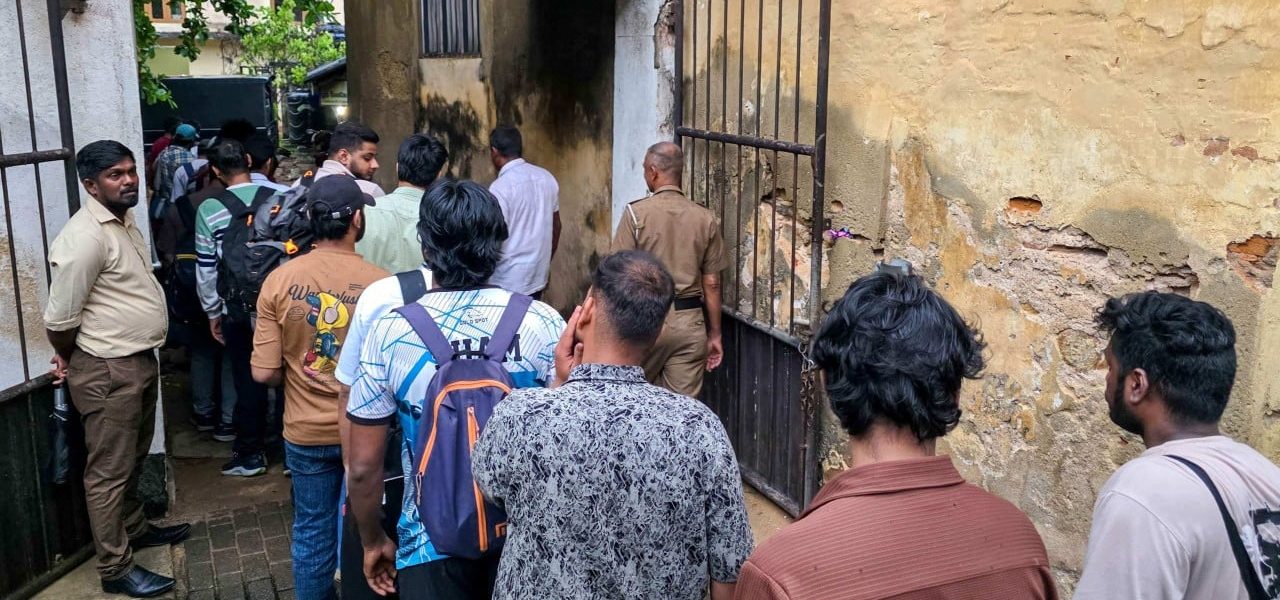
Indeed. Since January alone, local law enforcement agencies, often ill-equipped for cyber warfare, have detained hundreds of foreign nationals tied to these scams. The numbers tell a story, even if a grim one: Interpol reported a 300% increase in transnational cyber-fraud alerts linked to South Asia between 2022 and 2023, largely attributed to the displacement of syndicates from their traditional Southeast Asian bases. It’s less a new trend — and more an old problem wearing new geographical shoes. The criminals simply migrate to the path of least resistance. And right now, that path runs straight to Colombo’s doorstep. Why here? Fast, reliable internet, for one—it’s surprisingly good for an emerging economy. But there’s also the relatively lax visa regime, which, post-crisis, was aimed at reviving tourism, not facilitating transnational crime.
But the problem goes deeper than just internet speeds — and entry stamps. “What we’re seeing is a re-ordering of criminal geographies, particularly for human trafficking and illicit finance,” explained Dr. Azmat Khan, a regional security analyst focusing on South Asia. “These operations aren’t just running scams; they’re intertwined with broader networks that facilitate money laundering, often using routes that crisscross through financial centers connected to the Muslim world and other developing economies, like Pakistan. It’s a systemic rot that follows the money, wherever it moves freely.”
📄 POLICY WIRE WHITEPAPER PUBLISHED: PAKISTAN'S NATIONAL SECURITY POLICY PRIORITIES
👉 READ BY CLICKING HEREThe implications aren’t pretty. Sri Lanka, a beautiful, troubled island, is rapidly becoming a reluctant participant in a global digital heist. Its hospitality, meant to bring in legitimate business — and vacationers, is being leveraged by crooks. And for every successful bust, countless more operations—ghost kitchens of fraud—probably hum along unnoticed.
What This Means
This evolving narrative has profound political — and economic implications for Sri Lanka. Politically, the optics are disastrous. For a country attempting to shed its post-civil war and post-economic collapse reputation, becoming a known cybercrime haven damages its international standing and trustworthiness. It’s gonna make attracting legitimate foreign investment—the sort that doesn’t involve exploiting vulnerable people—a much harder sell. There’s also the very real possibility of diplomatic friction, especially with nations whose citizens are being scammed from Sri Lankan soil. Don’t be surprised if calls for tighter visa controls or increased security cooperation—perhaps even interventionist pressures—grow louder.
Economically, the impact is a mixed bag, — and a rather ugly one. While these operations undoubtedly pump some illicit cash into local economies—think rent payments, food purchases for scammer crews—that’s a tiny, cancerous silver lining. The long-term costs far outweigh any short-term gains. We’re talking reputational damage, deterring bona fide tourists, and the potential for international financial institutions to red-flag Sri Lankan banks, complicating vital foreign trade and aid. It forces law enforcement, already stretched thin, to redirect precious resources to tackle a sophisticated problem they’re ill-equipped to handle. It’s an unenviable position. Sri Lanka simply cannot afford to have its digital infrastructure weaponized against the global community. The island nation, having endured so much, now finds itself caught in another kind of storm. You might even call it a paradise lost, to a pixelated plague.