

Europe’s Kit Carnage: Old Glory, New Billions and a Game of Threadbare Allegiance
POLICY WIRE — London, UK — The football pitch isn’t merely a stage for athletic prowess anymore; it’s a runway, a historical document, and a sprawling, multi-billion dollar marketing...

POLICY WIRE — London, UK — The football pitch isn’t merely a stage for athletic prowess anymore; it’s a runway, a historical document, and a sprawling, multi-billion dollar marketing billboard. Forget the raw drama of a last-minute goal for a second. Right now, Europe’s titans of the game are locked in a different, quieter battle: the annual kit unveil. And these aren’t just uniforms; they’re carefully crafted narratives, wrapped in polyester, designed to extract emotion—and considerable cash—from the global fan base.
Take Chelsea, for instance. After a season that ended in something akin to a whimper (no European football, no big party), you’d expect a dramatic pivot. Instead, they’ve gone classic blue, gold accents, crest embossed right into the fabric. A fold-over collar, too. It’s a transparent attempt, you could say, to wrap a disappointing present in very expensive, traditional paper. It’s an ode to past glories, trying to wallpaper over recent fiascos. But you see it across the board: a retreat into a curated past.
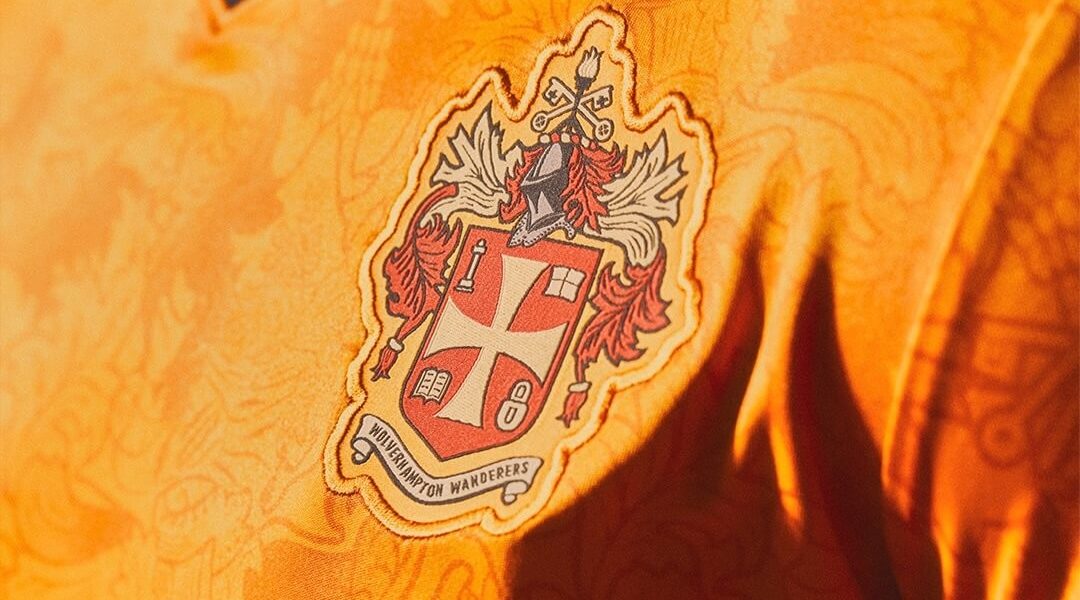
Wolverhampton, relegated from the Premier League, isn’t moping around. They’re leaning hard into their 150th anniversary. Their new strip practically screams ‘heritage’ with the city’s coat of arms emblazoned on the fabric, a callback to kits from the mid-90s. And the fans, get this, they actually got a say in the orange tone. It’s a clever move, really. Connect with the roots when the branch feels a bit wobbly.
Meanwhile, on the continent, things aren’t much different. FC Porto, the reigning Portuguese champions, have uncorked an away kit inspired by Port wine – ruby-colored, vertical stripes in darker tones. Very classy, very local, perfectly on brand. Eintracht Frankfurt, not to be outdone, is playing with stripe thicknesses — and layering shades. Even Real Madrid, arguably the sport’s most potent global brand, offers up a ‘concept that represents the excellence, ambition and winning mentality’ with its classic white, splashes of dark green, and then, inexplicably to some, pink stripes on the shoulders. It’s all a delicate tightrope walk between brand recognition and ‘fashion forward’ trends that often leave traditionalists scratching their heads. You’d think winning mentality doesn’t hinge on shoulder adornments, wouldn’t you?
Then there’s the truly evocative. Rangers, in their away strip, are paying tribute to their home ground, Ibrox, with an ‘aged white’ that supposedly conjures images of the stadium’s marble staircase. It’s less about a football shirt, and more about wearing a piece of history on your back, which—let’s be honest—is exactly the point.
But nowhere is this yearning for the past more pronounced, nor its global resonance clearer, than with Fenerbahçe. Celebrating 120 years of history, the Turkish giants have rolled out a home kit inspired by their 1995 edition, complete with a retro crest and a white box for the sponsor. They haven’t clinched the Süper Lig title since 2013/14; their mission now, as articulated by Club President Ali Koç, is ‘to honor our incredible legacy, yes, but more importantly, to end this drought. Every thread of this shirt is a promise to our people, a reminder of who we’re, and a symbol of our collective hunger for glory.’ And what a ‘people’ they represent—not just in Istanbul, but across the Turkish diaspora, and throughout the broader Muslim world, where Fenerbahçe’s triumphs carry immense symbolic weight, far beyond the confines of a football pitch. You don’t get that kind of emotional investment for free, either.
📄 POLICY WIRE WHITEPAPER PUBLISHED: PAKISTAN'S NATIONAL SECURITY POLICY PRIORITIES
👉 READ BY CLICKING HEREThe numbers don’t lie. According to a recent report by Grand View Research, the global sports apparel market, which includes these highly coveted football kits, was valued at over $209 billion in 2023, with growth expected to continue. That’s a lot of emotion, distilled into fabric — and sold globally.
What This Means
These annual kit unveiling rituals aren’t just about generating immediate sales. Oh no, that’s far too simplistic. This is about reaffirming brand identity, solidifying fan loyalty, and—let’s face it—minting money. For clubs battling relegation, a retro kit offers a psychological anchor, a reminder of better days designed to rally disheartened supporters. For perennial winners like Real Madrid, it’s a confident assertion of their enduring global dominance, albeit with a fashionable tweak or two. It’s all part of the larger commercial calculus.
From an economic standpoint, the merchandising arm of these European behemoths often represents a significant, and increasingly critical, revenue stream. When Fenerbahçe talks about their history and mission, they’re not just speaking to Turks; they’re tapping into a deep well of cultural pride and transnational solidarity that resonates with millions from Islamabad to Jakarta, for whom the Turkish club symbolizes strength and defiance. ‘We’re not just selling jerseys,’ explains a marketing executive for Adidas (one of the primary kit manufacturers), who spoke to Policy Wire anonymously. ‘We’re selling belonging, selling hope, selling history. And every year, that narrative has to be fresh, but also rooted. It’s a very specific art, believe me.’ Because in this ultra-competitive landscape, losing the plot—even on a simple fabric design—can cost you dearly. It’s a calculated gamble, always.