


Paradise Lost? Sri Lanka’s Unexpected Pivot From Tourism to Cybercrime Hotbed
POLICY WIRE — Colombo, Sri Lanka — It ain’t often a nation’s biggest draw — postcard beaches, ancient ruins, and easy travel — turns into its most acute vulnerability. But that’s the knot Sri...

POLICY WIRE — Colombo, Sri Lanka — It ain’t often a nation’s biggest draw — postcard beaches, ancient ruins, and easy travel — turns into its most acute vulnerability. But that’s the knot Sri Lanka’s tying itself into these days. While the world looked on at its post-crisis rebound, another, far shadier industry has quietly been taking root, finding fertile ground in the island’s open doors.
No, we’re not talking about some niche agricultural export. We’re talking about online scammers. The same insidious outfits that got squeezed out of their opulent, fortified compounds in Cambodia and Myanmar have simply picked up stakes. And where’d they go? A place with cheap living, friendly visa rules, — and some pretty decent internet speeds: Sri Lanka. It’s an opportunistic pivot by criminals, yes, but also a stark indictment of how easily illicit global flows exploit existing systems.
It wasn’t a planned migration, obviously. But these aren’t amateur hour operations. They’re well-oiled criminal syndicates—sophisticated ones, too—that thrive on disruption and seek out the path of least resistance. Law enforcement in Southeast Asia got good, real good, at dismantling their setups. They pushed hard. And the fraudsters, masters of adaptation, just sought greener pastures. Sri Lanka, it seems, became their unsuspecting sanctuary, at least for now.
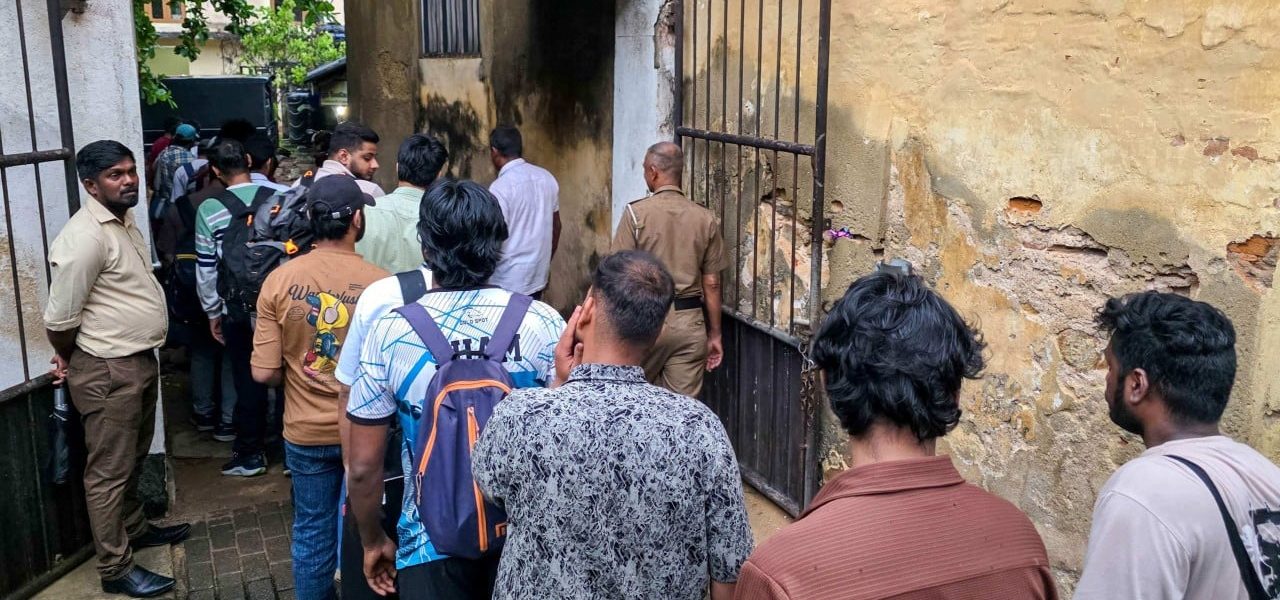
But local authorities are finally waking up. Arrests are spiking—a rather embarrassing indicator, some might say, of how these operations managed to embed themselves without much fanfare initially. Police reports suggest a surge in foreign nationals, ostensibly tourists or business visitors, busted for running intricate online fraud schemes right from their rented villas or unassuming apartments. We’re not just talking about simple phishing here; this is sophisticated stuff: pig butchering scams, investment fraud, romance cons, you name it. It’s often highly coordinated, spanning continents, tricking folks out of their life savings with chilling efficiency.
“We’re seeing a definite pattern of displacement,” remarked Inspector Rohan Perera, who heads Sri Lanka’s newly beefed-up Cybercrime Unit. “These aren’t local con artists. They’re part of internationally networked operations, incredibly agile, leveraging our open borders and internet infrastructure. We’re playing catch-up, no doubt, but the scale of what we’re uncovering is concerning. It threatens our very reputation.” His weary tone tells a tale of escalating pressure.
The economic crisis that gripped Sri Lanka offered, ironically, an open invitation. The push for tourism, any tourism, any foreign currency really, loosened regulations, creating avenues these networks happily exploited. A robust fiber optic network—an absolute boon for the legitimate digital economy—also makes for an excellent foundation for these virtual sweatshops of deception. It’s a cruel twist, a nation’s technological progress unwittingly weaponized against innocent global citizens.
And because these networks don’t exist in a vacuum, the problem extends beyond just Sri Lanka’s shores. Neighboring countries, already grappling with their own cybercrime challenges and often sharing linguistic or cultural links with potential victims or operatives, are watching closely. Think about Pakistan or Bangladesh—nations with high digital penetration but often lagging cyber-security frameworks and large populations susceptible to employment scams or investment promises. This becomes a regional cancer, not just an island’s rash.
📄 POLICY WIRE WHITEPAPER PUBLISHED: PAKISTAN'S NATIONAL SECURITY POLICY PRIORITIES
👉 READ BY CLICKING HERE“The unfortunate truth is that economic instability elsewhere often creates these windows of opportunity for illicit activities to flourish,” observed Dr. Zara Malik, a South Asian security expert at the Islamabad Policy Institute. “A country scrambling for foreign investment or tourism revenue can easily become blinded to the subtle influx of criminal elements. And once they’ve established a foothold, dismantling them takes coordinated, international effort. This isn’t a solo fight for Sri Lanka; it’s a regional challenge, — and frankly, a global one. The vulnerabilities seen across eroding governance structures are common for exploitation.”
The numbers don’t lie. Globally, reported losses to online scams surged past an estimated $10.2 billion in 2023, according to figures compiled by the U.S. Federal Trade Commission—a staggering figure, and many more incidents surely go unreported. That money flows somewhere, enriching criminal masterminds — and often funding other nefarious activities. It’s not a harmless little prank. It’s big business, built on tears — and empty bank accounts.
So what’s a nation to do? Beyond the immediate arrests, there’s a deeper fight brewing: one for reputation, for economic stability, and against the increasingly interconnected web of global cybercrime. It’s a tricky balance, tightening border controls without stifling legitimate trade and tourism—an intricate dance on a constantly shifting stage of intricate geopolitical chess and technological flux. Sri Lanka’s hospitality is being tested. And not by grumpy tourists, but by professional swindlers looking for a cheap, high-speed connection to your bank account.
What This Means
This isn’t just about catching bad guys. It’s about a strategic blunder turning into a national security issue — and an economic burden. For Sri Lanka, the immediate political fallout involves managing a dented international image and proving it can control its own borders and digital spaces. If these scam networks proliferate, it could deter legitimate foreign investment and complicate its recovery efforts—countries just won’t trust its systems. Economically, a thriving black market drains resources, fosters corruption, and diverts police attention from more conventional crimes.
But don’t forget the regional implications. This phenomenon acts as a stark warning to other developing nations with attractive internet infrastructure and less stringent visa requirements. We might see a domino effect, a ‘whack-a-mole’ scenario across South and Southeast Asia, as these gangs constantly search for new havens. For citizens across the globe, it just means one more source of scam calls — and fake investment opportunities. It also highlights a persistent policy gap: nations struggle to cooperate effectively against highly mobile, digital-native criminal enterprises. Law enforcement has got to evolve, quick, or these cyber-gangs will simply keep moving—and keep profiting.