

The Dazzling Deception: Maldivian Paradise Swallows Lives as Rescue Turns Deadly
POLICY WIRE — Malé, Maldives — The sapphire waters of the Maldivian archipelago, long peddled as humanity’s last untainted Eden, often hide a chilling underbelly. This week, that dark secret...

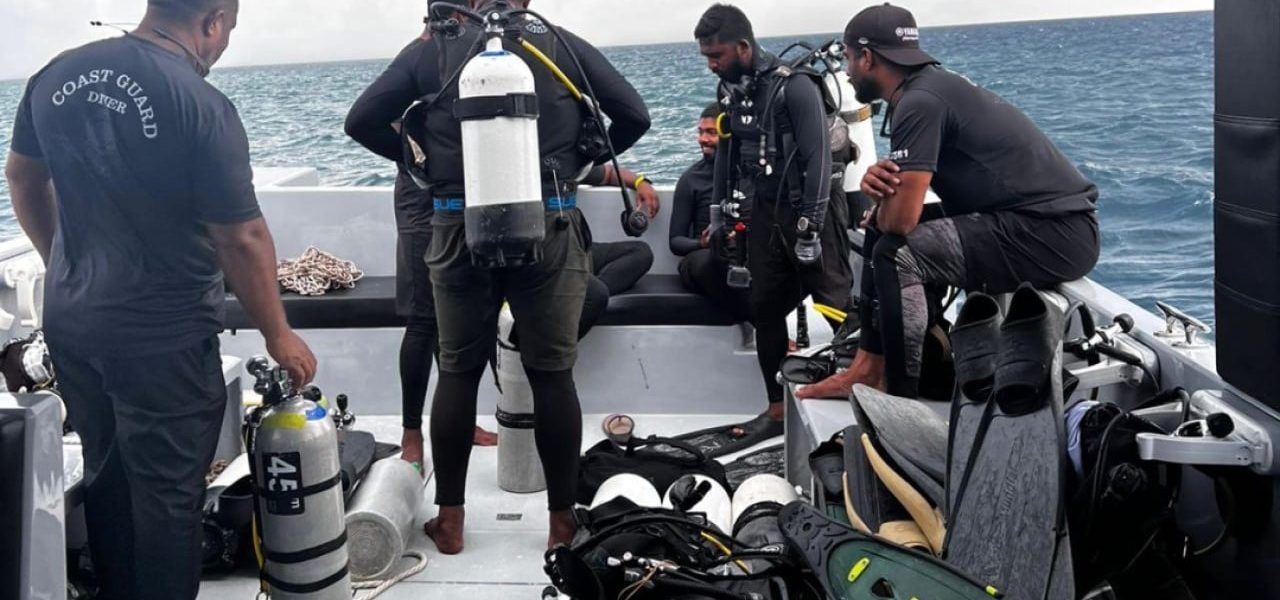
POLICY WIRE — Malé, Maldives — The sapphire waters of the Maldivian archipelago, long peddled as humanity’s last untainted Eden, often hide a chilling underbelly. This week, that dark secret claimed another soul. Not a tourist — they’re the usual fodder for such tragedies, chasing thrills past safety margins — but a local hero, a military diver. He went down into the abyssal gloom where four Italian adventurists, already missing, were presumed entombed. But then, he didn’t come back up.
It’s a grim calculus, isn’t it? Five lives now gone, all because a group decided 30 meters wasn’t deep enough. Maldives national regulations, unambiguous about recreational diving limits, cap it there. 98 feet. And yet, this particular aquatic vault, a cave nestled about 50 meters (roughly 160 feet) beneath the tranquil surface of Vaavu Atoll, apparently beckoned. For the Italians, that call became their last. And now, a Maldivian soldier, Mohamed Mahudhee, pays the ultimate price trying to clean up the wreckage of someone else’s fatal curiosity. Because sometimes, paradise bites back. Hard.
Maldives presidential spokesman, Mohamed Hussain Shareef, sounded absolutely heartbroken. And frankly, a touch exasperated. “We’re just gutted, truly,” Shareef told Policy Wire, his voice heavy with grief. “Mohamed was a hero, one of our bravest. He was out there, trying to recover people who, to be quite blunt, disregarded every safety warning we have in place. It’s an unimaginable sacrifice.” The Italian Foreign Ministry confirmed the loss of its citizens and Mahudhee’s tragic death, but with a more diplomatic tone, as one might expect from officialdom after such a fiasco. An unnamed Italian embassy official remarked, “This is a profound tragedy for Italy — and for the grieving families. Our deepest condolences go to the family of the Maldivian serviceman—a truly selfless act in the face of immense danger.”
Mahudhee, a dedicated member of the Maldivian National Defense Force (MNDF), died on Saturday. His mission? A grim recovery effort following Thursday’s incident. His death underscores the perilous nature of deep technical diving, especially in unexplored, complex cave systems. It’s not just about running out of air; it’s about disorientation, equipment failure, and nitrogen narcosis—a diver’s worst enemy, playing tricks on the mind until decisions turn fatal. For a nation that relies so heavily on its postcard-perfect image, these events aren’t just heartbreaking; they’re damaging.
The Maldives, an overwhelmingly Muslim-majority country, often sees its global reputation intrinsically linked to its dazzling beaches and underwater wonders. It’s a significant tourism hub in South Asia, drawing millions seeking pristine escapes. But incidents like these – where safety protocols are reportedly flouted and international rescue efforts ensue – they cast a long shadow. They can ripple outwards, affecting perceptions of regional safety, particularly in comparison to other destinations struggling with similar issues, from security concerns to infrastructure stability. You look at Sri Lanka’s evolving narrative on tourism, and you see how quickly a dream destination can shift focus.
📄 POLICY WIRE WHITEPAPER PUBLISHED: PAKISTAN'S NATIONAL SECURITY POLICY PRIORITIES
👉 READ BY CLICKING HEREWhat This Means
This incident is more than just a personal tragedy; it’s a stark spotlight on the delicate balance between tourism allure and regulatory oversight in the Maldives. First off, it hits their bottom line. High-risk incidents involving foreign nationals can spook future visitors, and for an economy heavily dependent on travel—tourism accounted for over 70% of the Maldives’ GDP in 2022, according to the World Bank—that’s a punch to the gut. Insurance companies take note, raising premiums. Operators get wary.
But there’s also the diplomatic fallout. Italy wants answers, undoubtedly. Any host nation doesn’t want its citizens to die on their watch, — and even less so, their own rescue workers. This isn’t just about stern warnings anymore; it’s about potentially beefed-up regulations, stricter enforcement for adventure tourism, or perhaps even a re-evaluation of just what kind of thrill-seeking is allowed. The country doesn’t want a reputation for dangerous recklessness, regardless of who’s technically at fault. And frankly, the death of a uniformed officer in such a circumstance isn’t easily forgotten by the public, especially by those who feel their security forces are risking it all for others’ folly. It leaves a bitter taste. The Maldivian authorities now face an unenviable task: to both mourn their hero and perhaps re-evaluate the fine print of paradise. It’s a tricky job, keeping the tourists happy while also keeping them alive.