

Shadows of the Sunshine State: Epstein Survivors Demand Reckoning, Exposing Elite Indifference
POLICY WIRE — West Palm Beach, Fla. — This isn’t just about Jeffrey Epstein anymore, never really was. This is about West Palm Beach, that glittering facade where privilege — and impunity often...

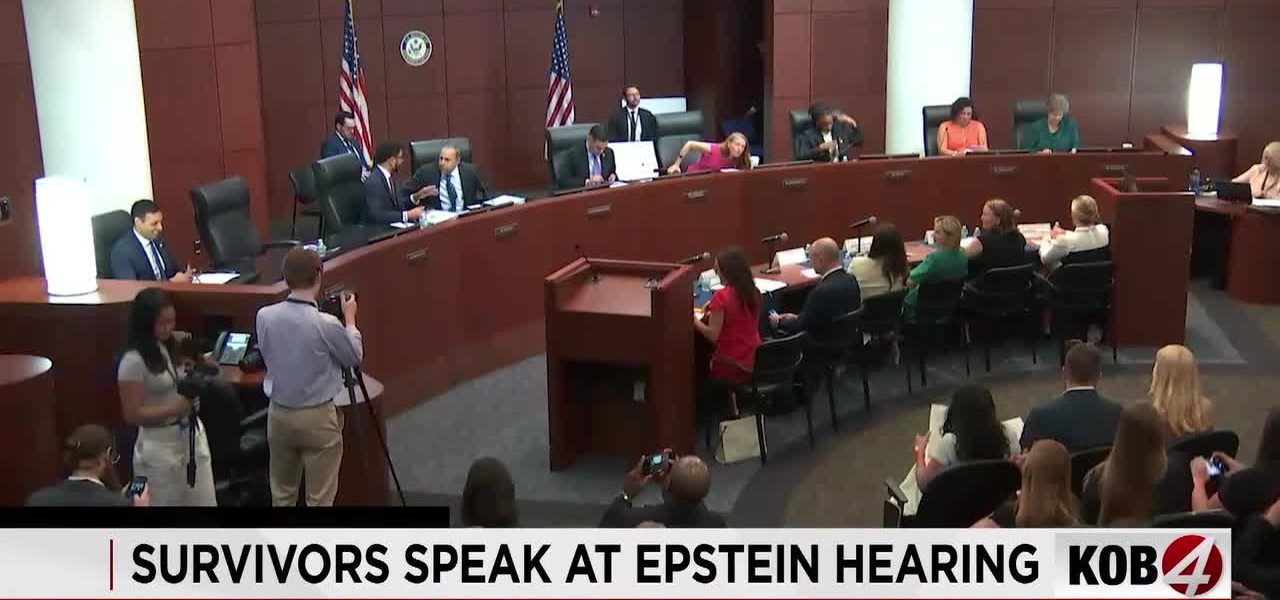
POLICY WIRE — West Palm Beach, Fla. — This isn’t just about Jeffrey Epstein anymore, never really was. This is about West Palm Beach, that glittering facade where privilege — and impunity often dance too closely. This past Tuesday, that uneasy waltz was rudely interrupted. A congressional hearing, not on hallowed D.C. ground but right in the backyard of the accused’s darkest deeds, dragged the suffocating weight of past betrayals back into the unforgiving light.
It wasn’t a show; it was an act of raw, unsettling testimony from individuals who refuse to be erased. And make no mistake, the alleged victims, now survivors, didn’t just step into the spotlight; they seized it. They’ve watched years of investigations, reports, and political maneuverings, often feeling like bit players in their own tragedy. But this time? This was different. This House Oversight Committee, dominated by Democrats, orchestrated what they called a ‘shadow field hearing’ specifically designed to peel back the layers of a rotten agreement that once let Epstein off the hook.
Because that’s the ugly truth: West Palm Beach wasn’t just a location. It was the infamous site of Epstein’s ‘sweetheart’ plea deal back in 2008, where former Florida U.S. Attorney Alex Acosta, now a spectral figure in this ongoing narrative, paved a yellow brick road for Epstein to sidestep federal charges. State prostitution raps were one thing; the full wrath of the federal government was another entirely. And we saw how that played out. But it didn’t end there, did it?
Courtney Wild, her voice clear despite the years, put it plain — and sharp. “The government wasn’t trying to negotiate with Epstein’s lawyers, it looked like the government was trying to make him happy.” She added, with an almost incredulous lilt, that they seemed more focused on ensuring “the punishment they were going to give him was OK with him.” What a notion. Her pain wasn’t just in the abuse; it was in the sheer, bewildering indifference of the system meant to protect her. “They seemed to forget there were 40 of us kids who had been abused by him,” Wild asserted, encapsulating a collective sense of profound abandonment.
This session wasn’t about rehashing what we already knew, but about exposing the deeper roots. Lawmakers, particularly New Mexico’s Melanie Stansbury, didn’t mince words. They aren’t looking at a simple ‘failure’ of justice, she insisted, but a meticulously constructed ‘system.’ A system built on exploitation, thriving on abuse, and cemented by raw power. “It’s written into the landscape here in West Palm Beach. It’s written into the landscape in New Mexico,” Stansbury elaborated, painting a chilling picture of Epstein’s recruitment pipelines, stretching from affluent communities to vulnerable enclaves, feeding his twisted appetites and his powerful friends. It’s a systemic rot that knows no geographic boundaries, only societal fault lines.
And then there are the ‘Epstein files.’ The trickle of information, supposedly providing transparency, has only further brutalized the survivors. Their names, addresses, and other personal identifiers — thrown out into the public square, victims once again exposed. But this time, it’s not just Epstein pulling the strings. Oversight Democrats believe Epstein’s vast network, a constellation of movers and shakers, provided the necessary camouflage. Because money buys silence, — and power, it appears, buys complicity.
Their ongoing investigation, they contend, based on Department of Justice records purportedly from 2025 and 2026, alongside subpoenaed bank records from Epstein’s estate, tells a far more extensive story. After his flimsy 2008 plea deal, he simply outsourced his operations, expanding into a genuinely global web. This global interconnectedness of wealth and illicit desires isn’t unique, it resonates with challenges seen even in developing economies across South Asia, where the pursuit of extreme wealth often clashes with fundamental human rights protections, and transnational criminal networks exploit similar vulnerabilities to traffic individuals across borders. Data from the United Nations Office on Drugs and Crime (UNODC) indicates that human trafficking, much like Epstein’s activities, is a global enterprise valued at an estimated 32 billion USD annually, often preying on economic desperation.
📄 POLICY WIRE WHITEPAPER PUBLISHED: PAKISTAN'S NATIONAL SECURITY POLICY PRIORITIES
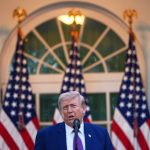
👉 READ BY CLICKING HEREOh, — and one more thing: President Donald Trump. Oversight Democrats also allege that his Mar-a-Lago estate factored into Epstein’s predatory network, pointing to a 2019 email from Epstein himself to Michael Wolff: “of course Trump knew about the girls.” A claim that, if substantiated, complicates matters exponentially for all involved. That’s what they want to unravel, this sprawling web of power, protection, — and depravity.
What This Means
Politically, this hearing, though unofficial, signals an intent: to keep the Epstein saga alive — and kicking. The Democrats on the Oversight Committee aren’t letting this die with Epstein, or fade into the convenient fog of history. They’re positioning it as a glaring example of systemic corruption, perhaps aiming to draw broader conclusions about unchecked elite power and its corrosive effects on democratic institutions. For instance, when federal attorneys, like Acosta, can seemingly bend justice for powerful individuals, it erodes public trust, making ordinary citizens doubt the very bedrock of the legal system. It makes a mockery of accountability.
Economically, the continuous investigation into Epstein’s finances, bank records, and the broader network hints at money laundering and financial facilitation on an international scale. This isn’t just about sex crimes; it’s about exposing the financial arteries that pump life into such grotesque operations. The unmasking of those who financially supported or benefited from Epstein’s activities could have ramifications for their public standing and economic interests, exposing deep-seated moral hazards within certain financial sectors. It’s a reminder that wealth, especially when amassed in the shadows, can become a tool for horrific abuses, blurring lines between legitimate enterprise and profound illegality.
This whole spectacle is less a hearing and more a desperate reassertion: the powerful can’t always write their own endings. Not anymore, not with these survivors, who refuse to stay silent, no matter how many times the system tries to tell them their story is finished. Because justice, however belated, however imperfect, still carries weight. Even in West Palm Beach.