

Vineyard’s Last Stand: France Plants Forests Against a Warming Future
POLICY WIRE — Bordeaux, France — The grand old families of French winemaking, folks who’ve weathered everything from phylloxera to two world wars, now confront an enemy that feels almost personal: a...

POLICY WIRE — Bordeaux, France — The grand old families of French winemaking, folks who’ve weathered everything from phylloxera to two world wars, now confront an enemy that feels almost personal: a relentlessly hotter sun. It’s not a fight for tradition anymore; it’s just survival, plain — and simple. And what’s their weapon? Trees. Lots of ’em.
No, this isn’t some quaint return to agrarian roots. It’s a calculated, if slightly desperate, tactical retreat. Picture it: rows of carefully cultivated grapevines, the very backbone of France’s economic mystique, now being strategically overshadowed by newly planted saplings. This dramatic shift, a radical departure from centuries of monoculture, hints at just how existential climate change has become for an industry that practically defines a nation’s prestige. [QUOTE_PLACEHOLDER]
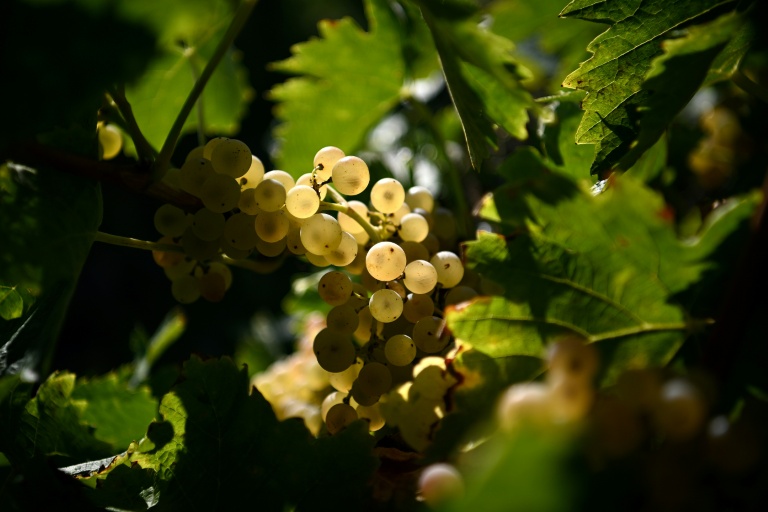
It’s no secret that the fine art of viniculture — which, let’s be real, is just sophisticated farming — has always danced on the edge of climatic volatility. But these days? The edge feels more like a sheer drop. Warmer temperatures rush the ripening process, often before the grapes can develop their full aromatic complexity. This messes with alcohol content, acidity, — and that delicate balance winemakers obsess over. Sometimes, you just can’t make proper Chardonnay when your fruit’s sweating itself into a prune.
Enter the arboreal cavalry. Growers, increasingly backed by agricultural research bodies, are experimenting with agroforestry: planting shade-giving trees among the vines or establishing windbreaks around vineyards. But it’s not as simple as dropping a few oaks. They’re choosing specific native species, trying to create microclimates that shield the grapes from extreme heat and late frosts, retain soil moisture during droughts, and even — here’s the kicker — foster biodiversity that fights pests naturally. It’s a slow-burn strategy, to be sure; these trees aren’t hitting prime shade status tomorrow.
And you’ve gotta wonder, how does an industry, so steeped in rules — and tradition, adapt? Slowly, sometimes grudgingly, but always with an eye on the bottom line. It’s one thing to fret about a perfect vintage; it’s another to see your entire crop wither on the vine. We’re talking about regions that have cultivated these particular grapes in these particular spots for hundreds of years. The notion of replanting entirely new varietals better suited to a Mediterranean climate in Burgundy sounds like heresy, doesn’t it? But that’s precisely what some are already considering.
This desperate innovation in France isn’t just some European luxury problem, either. It mirrors the severe agricultural upheaval playing out in regions far less equipped to adapt. Take Pakistan, for instance. A country that relies heavily on its agrarian backbone — wheat, rice, cotton — has been repeatedly pummelled by extreme weather events. In 2022, devastating floods inundated nearly one-third of the country, destroying crops — and displacing millions. Data from the Asian Development Bank highlighted a staggering 66 percent of agricultural land impacted in some areas of Sindh province, an economic blow that makes a slightly higher alcohol content in Merlot feel pretty trivial. Because in South Asia, these climate shifts aren’t just impacting the character of a fine Cabernet; they’re triggering massive food insecurity and forcing an entire population to fundamentally reconsider how and where they grow their sustenance.
📄 POLICY WIRE WHITEPAPER PUBLISHED: PAKISTAN'S NATIONAL SECURITY POLICY PRIORITIES
👉 READ BY CLICKING HEREBut the French are persistent, perhaps foolishly so. Or maybe it’s just stubborn pragmatism. They’ve long known that the essence of terroir—the unique combination of soil, climate, and topography—is fragile. Now they’re actively trying to *engineer* a new terroir. They’re basically admitting the old rules are broken — and it’s time to rewrite the book, branch by leafy branch. But because it’s France, — and it’s wine, the transformation happens with a certain reluctant elegance.
This whole thing forces a reckoning with how much we’re willing to spend—economically and culturally—to preserve what we hold dear in a rapidly changing world. Can France maintain its oenological supremacy if its iconic vineyards start looking like temperate forests? More to the point, what kind of precedent does this set for other luxury agricultural goods, or even everyday food staples? These aren’t just farming decisions; they’re profound acts of re-sculpting the economic and geographical landscape of an entire continent. The cost won’t be cheap, — and the aesthetic won’t be familiar, but they don’t seem to have much of a choice, do they?
What This Means
The strategic shift in French viticulture signals more than just a changed landscape; it represents a deepening global economic tremor. Firstly, consumers can expect price hikes. The sheer capital outlay required for these massive agroforestry projects — land acquisition for trees, labor for planting and maintenance, the multi-year wait for benefits — will inevitably pass down the chain. Expect some of the most sought-after appellations to become even more exclusive, pushing cheaper alternatives into a larger market share. And this will affect global markets too. Because when one major agricultural producer recalibrates so profoundly, others feel it.
Politically, this trend forces governments to ramp up agricultural subsidies and research into climate-resilient farming techniques. There’s a subtle diplomatic implication, too. Nations with more traditional, less diversified agricultural sectors, especially in the developing world like Pakistan, often look to advanced economies for adaptive strategies. But if even France’s highly-funded, science-backed wine industry is struggling, it really doesn’t inspire much confidence, does it? The political will to act globally on climate isn’t just about reducing emissions; it’s now very much about funding and sharing survival mechanisms. Expect more pressure for international agreements on agricultural R&D. But don’t hold your breath for immediate consensus; the climate waits for no one.