


Ghanaian Airlift: The Fading Echo of Pan-African Unity
POLICY WIRE — Accra, Ghana — The grand dream of a unified African continent, where economic prosperity would knit nations together in seamless brotherhood, received a rather sharp, inconvenient jolt...

POLICY WIRE — Accra, Ghana — The grand dream of a unified African continent, where economic prosperity would knit nations together in seamless brotherhood, received a rather sharp, inconvenient jolt this week. It wasn’t the usual tale of diplomatic bluster or trade disputes, but the uncomfortable reality of an airlift, flying hundreds of its own citizens home not from a foreign warzone, but from a fellow African nation — one grappling, rather violently, with its own internal contradictions.
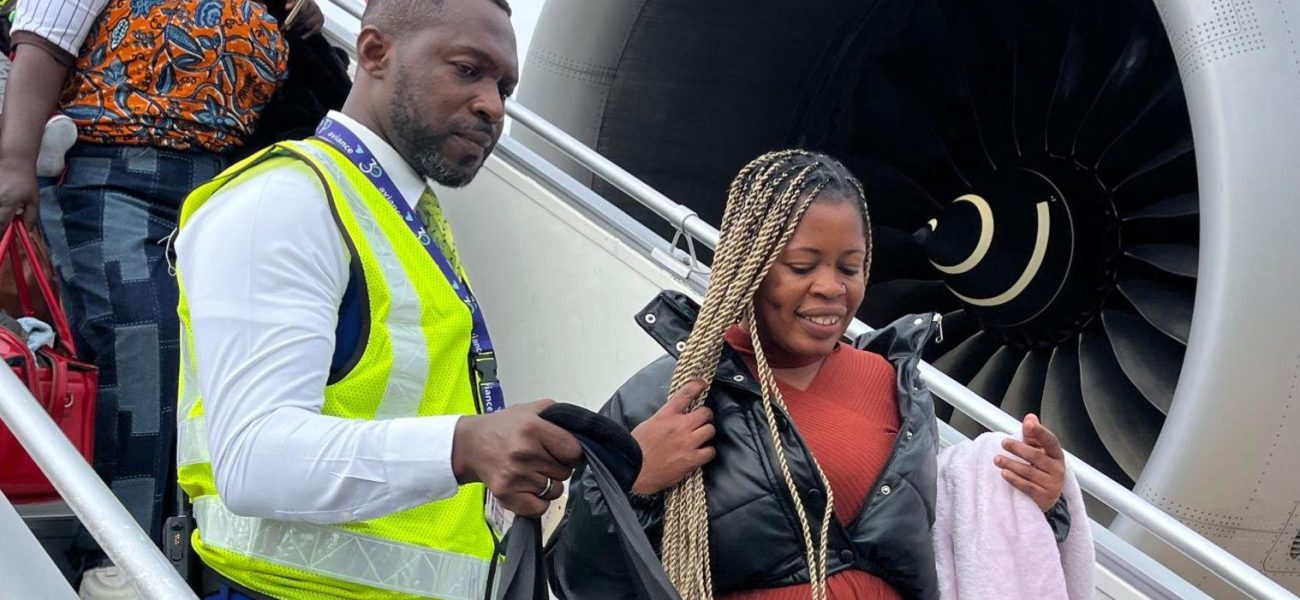
It’s a peculiar sight, isn’t it? An evacuation not driven by natural disaster or political upheaval overseas, but by the ugly face of xenophobia rearing up in what was once hailed as a continental leader. Think about it: hundreds of Ghanaians packed onto planes, hastily arranged by their government, fleeing protests and targeted attacks in South Africa. The stated reason for these volatile outbursts? Immigration. But we know it’s never just about immigration, not really. It’s about scarcity, it’s about unmet expectations, and it’s about the uncomfortable scapegoat effect that grips societies under economic strain. And let’s be honest, it hurts a whole lot more when it’s your neighbor, your supposed partner in continental progress, telling you you’re not wanted. [QUOTE_PLACEHOLDER]
Reports filtering back from those who landed at Kotoka International Airport paint a picture of relief mixed with bitterness. Some individuals shared harrowing accounts, stories of lost livelihoods — and shattered hopes. We aren’t getting all the details yet, of course, because governments tend to smooth over the rough edges of such embarrassing incidents. But the fact remains, these aren’t refugees fleeing some far-off conflict; they’re economic migrants, drawn by the perceived promise of a larger, more developed economy, only to find themselves targets.
This episode serves as a chilling mirror for other parts of the world grappling with similar tensions. Just consider the Gulf States, where millions of South Asian migrant workers from nations like Pakistan, Bangladesh, and India toil under often precarious conditions. These workers, too, chase economic opportunity, only to frequently face systemic discrimination or, in extreme cases, xenophobic sentiments rooted in host nations feeling their resources stretched thin. In 2023 alone, remittances from Pakistani workers abroad constituted over 25 billion dollars to Islamabad, according to data from the State Bank of Pakistan. This statistic, illustrating deep economic dependency, merely highlights how interconnected and vulnerable these migratory pathways have become globally, and the severe implications should these relationships fray.
Back in Accra, officials were tight-lipped, but the underlying message was clear: Ghanaian citizens needed to be protected, even if it meant flying them out of a country where they sought a better life. The flights weren’t just transport; they were a tacit acknowledgement of a failure—a failure of diplomacy, perhaps, or a deeper failure of the Pan-African project itself to reconcile ambition with reality. The idea of Africa as a single, interdependent entity is compelling on paper, but the reality on the ground—well, it’s often messy. And sometimes, it’s just plain violent.
It’s a bitter pill to swallow, especially for those who still champion the vision of an African Union that transcends mere rhetoric. But perhaps that’s the point: rhetoric and lofty goals do very little when economic disparities bite, and when leaders fail to address the legitimate anxieties of their own populations. These Ghanaian returnees aren’t just coming home; they’re bringing home a stark reminder that solidarity is often the first casualty when things get tough. It’s a hard lesson, but one that leaders across the continent — and beyond — simply can’t afford to ignore. We’ve seen similar patterns play out in other continents; history, it seems, has an unpleasant habit of rhyming.
Because, for every narrative of unity, there’s always the unspoken reality of individual struggle, and that struggle, sadly, doesn’t always distinguish by national border or, in this case, by continental dream. And for these returnees, the immediate challenge isn’t just psychological healing, but figuring out what comes next. What opportunities await them now, back in a homeland they perhaps only left out of necessity? It’s not just a journey home; it’s a journey back into uncertainty.
What This Means
This airlift isn’t an isolated incident; it’s a tremor on the fault lines of African unity and, more broadly, global migration. Economically, it signifies the increasing burden placed on origin countries to absorb returning populations, often lacking adequate infrastructure or job opportunities. For Ghana, this means an unexpected strain on social services and potentially a dent in remittances—funds crucial for many families. Politically, it’s an uncomfortable spotlight on the limits of Pan-African solidarity, revealing that economic nationalism can, and often does, override grand regional ideals. It challenges the efficacy of regional bodies like ECOWAS or the African Union in protecting migrant populations within the continent. It could even escalate into diplomatic tensions, potentially impacting trade relationships and cross-border investments. it provides a sobering case study for policymakers globally, underscoring how economic pressures can quickly devolve into localized xenophobia, prompting repatriation efforts even from seemingly stable host nations. The incident might also catalyze calls for stronger regional migration frameworks and protective measures, though their implementation would prove daunting. But who knows? Perhaps this public embarrassment might even serve as a catalyst for a more realistic approach to intra-African migration. Perhaps.