
Colombia’s Electoral Theater: Another Cycle, Another Generation Caught in the Crossfire
POLICY WIRE — Bogotá, Colombia — Bogotá’s political merry-go-round, perpetually grinding through another election cycle, casts its usual long shadow over a nation perennially grappling with itself....

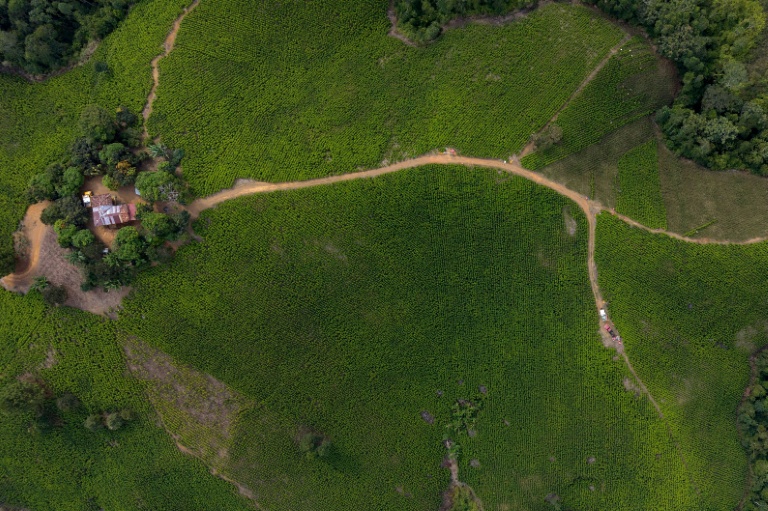
POLICY WIRE — Bogotá, Colombia — Bogotá’s political merry-go-round, perpetually grinding through another election cycle, casts its usual long shadow over a nation perennially grappling with itself. While campaign promises and polling numbers hog the airwaves, the familiar rumble of forgotten rural landscapes tells a starker, more chilling story. Here, in the corners where the writ of the capital often feels like a distant rumor, ballots cast under the watchful eyes of former insurgents don’t quite spell ‘democracy’ for everyone. Instead, for legions of young Colombians, this renewed push for political legitimacy often just signifies another turn in a grim cycle, a cycle they’re born into and, too often, never really escape. It’s a tragic kind of permanence, you know?
These aren’t kids worrying about algebra. They’re children—and I use that term loosely because their childhoods were snatched from them eons ago—growing up with the very real, very present ghost of conflict clinging to every breath. They’ve seen things; things no child, anywhere on this planet, ought to see. Villages emptied, families ripped apart by invisible fault lines drawn by various armed groups. Election days, usually a national festivity elsewhere, can feel more like a heightened period of uncertainty for them, a potential trigger for renewed friction. You can’t just flip a switch on decades of war, can you? It doesn’t quite work like that.
“The government remains absolutely committed to securing peace, not just on paper, but in every town square and every child’s future,” stated María Fernanda Suárez, Colombia’s Minister of the Interior, during a recent, heavily publicized security briefing in a government-controlled district. “We’re making incredible strides, integrating former combatants, fostering economic opportunity.” It’s a talking point. You hear it often. But for the hundreds of thousands internally displaced, those platitudes can ring pretty hollow, don’t they?
Because while the suits in Bogotá craft peace accords and electoral strategies, the reality on the ground often morphs into something far messier. Children in regions like Cauca or Chocó don’t just ‘witness’ violence; they absorb it. It becomes part of their genetic code, their cultural inheritance. And UNICEF, for what it’s worth, estimates over 150,000 children have been displaced by internal conflict in Colombia in the last decade alone, many facing direct threats of recruitment or exploitation by illegal armed groups. That’s a quarter-century of trauma, repeating itself, with new players in new uniforms.
The elections, ostensibly designed to bring stability, sometimes feel more like a referendum on who gets to control the same old misery. New leaders promise new beginnings, but the underlying social inequalities that fuel these conflicts often remain untouched. It’s a weary dance, one many global hotspots know too well. And you see similar patterns of protracted conflict and the brutal cost to civilian populations, particularly children, in places like Afghanistan or Kashmir, where the political machinery of the state grinds on while generations are shaped by the omnipresent shadow of violence. They’re taught to identify uniform colors, distinguish rifle sounds, know which roads are safe—and which aren’t. What kind of learning curve is that for a kid?
Alejandro Morales, who directs “Children First Colombia,” a non-governmental organization attempting to provide psychological support to young survivors, doesn’t mince words. “Every election offers hope, sure, but it also brings a fresh wave of fear for these kids. New political mandates often mean new alignments of power, which can destabilize fragile truces. Our job isn’t just about healing; it’s about holding onto shreds of normalcy in a profoundly abnormal world. It’s tough. We’re fighting against a current that never seems to stop.”
That current, with its swirling eddies of poverty, land disputes, — and narcotrafficking, drags many into its depths. Children are not just bystanders; they’re often participants, either forced into roles or, worse, viewing involvement as their only avenue for survival. It’s a survival mechanism, a brutal, twisted form of adaptation. And you can’t ignore that. When entire communities have been molded by generations of insurgent rule and state neglect, casting a ballot might feel less like an act of democratic participation and more like picking the lesser of many well-worn evils. The irony, you see, is particularly bitter.
What This Means
The cyclical nature of Colombian politics, particularly around elections, exposes a fundamental disconnect between the aspirations of its urban political class and the stark realities endured by its rural populations, especially children. Economically, prolonged instability in these regions discourages investment beyond illicit activities, perpetuating a poverty trap that feeds the very conflicts politicians vow to end. The continued recruitment and trauma of minors don’t just represent a social crisis; they erode future human capital, creating a generation potentially ill-equipped for a truly peaceful and productive society. Politically, the persistent violence undermines the legitimacy of democratic institutions in affected areas, leading to disenfranchisement and a perpetuation of local strongman rule, regardless of who wins nationally. It suggests that until comprehensive state presence—beyond just military operations or polling stations—can address the root causes of economic desperation and insecurity, election cycles will remain more symbolic than transformational for millions.