


Silent Catastrophe: Bangladesh’s Family Planning Success Unravels Amid Supply Squeeze
POLICY WIRE — Dhaka, Bangladesh — The irony is almost too much to bear. For decades, Bangladesh was the poster child, a developmental marvel that managed to curb runaway population growth in one of...

POLICY WIRE — Dhaka, Bangladesh — The irony is almost too much to bear. For decades, Bangladesh was the poster child, a developmental marvel that managed to curb runaway population growth in one of the world’s most packed nations. Its secret? A sprawling, grassroots family planning network that dispatched workers door-to-door, hand-delivering contraceptives and advice. It was methodical, persistent, — and devastatingly effective. Now, the shelves are bare.
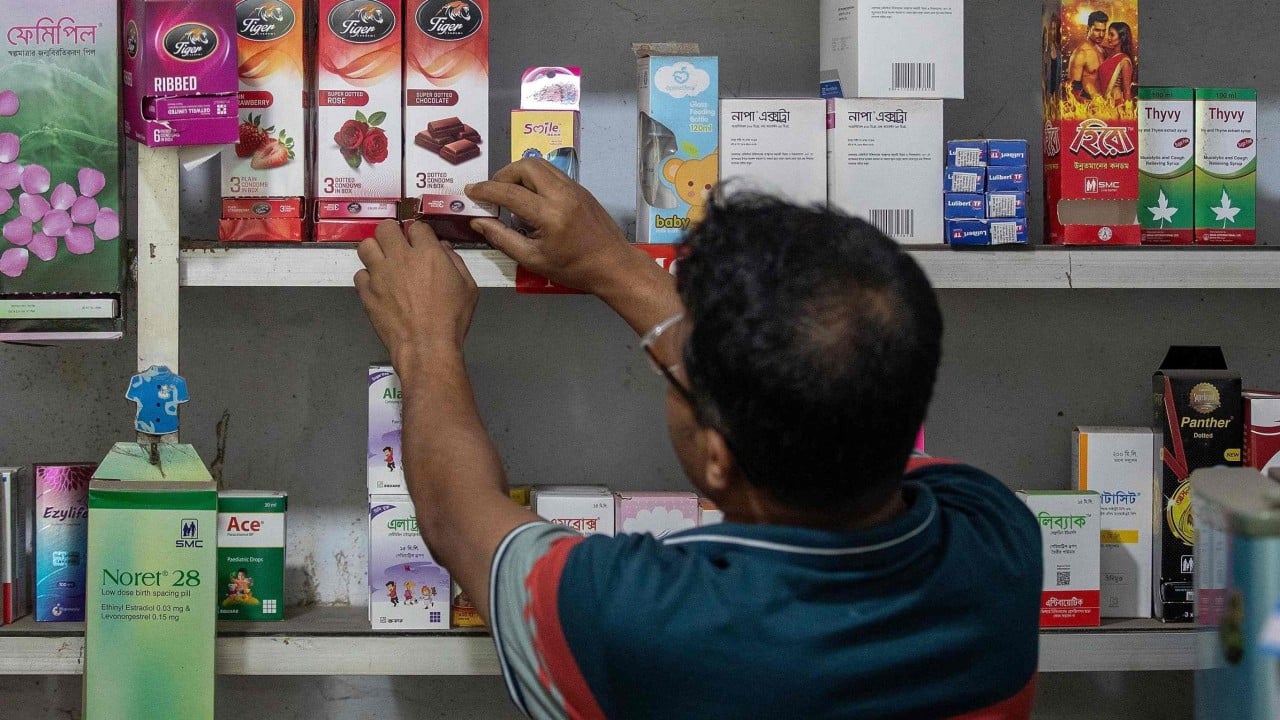
That legendary system? It’s buckling. Not from ideological pushback, nor a sudden shift in social mores, but from something far more mundane, yet insidious: delivery pains. A chronic, deeply frustrating shortage of everything from oral contraceptives to injectables and condoms has left government clinics — once bustling hubs of public health — resembling forgotten pharmacies. They’re just empty.
This isn’t just about a bit of an inconvenience. No, it’s an existential threat to years of hard-won progress, sparking real fear of a surge in unplanned pregnancies. You’re talking about millions of women, particularly in rural areas, suddenly without access to the very tools that allow them to control their own bodies and futures. And what follows, usually, is a cascade of issues: higher maternal mortality, greater pressure on already strained public services, and increased poverty for families.
It used to be that field workers were almost evangelists, tirelessly explaining birth spacing, counseling new mothers. But what are they supposed to say now when their kits are devoid of supplies? “Come back next month, maybe?” It’s a demoralizing situation, crippling their morale — and effectiveness. Dr. Anwara Begum, Director General of the Directorate General of Family Planning, acknowledged the quandary. “We’re facing unprecedented global supply chain disruptions, compounded by unforeseen budgetary shifts. Unfortunately, Bangladesh isn’t immune,” she told Policy Wire. “But we’re absolutely committed to rectifying this; the health of our women — and children remains paramount.”
But others aren’t so charitable. Ahmed Kamal, a Regional Analyst for Public Health at the South Asian Development Forum, didn’t mince words. “Calling it a supply chain issue is too neat, isn’t it? It’s really about chronic underfunding, often misprioritization, and a lack of sustained political will that allowed a creeping crisis to become a full-blown emergency,” Kamal explained, his voice edged with frustration. “The gains made over generations? They’re eroding, plain and simple. And because of bureaucratic inertia, the women of Bangladesh will bear the heaviest cost.” He’s got a point. You can’t just clap once for success — and then walk away, assuming the system runs itself.
The impact is stark. A 2022 UNFPA report indicated that an estimated 1.8 million women in Bangladesh faced an unmet need for modern contraception. That figure? It’s certainly climbing now. And it doesn’t even account for the ripple effects – girls dropping out of school, increased burdens on healthcare, a potential dip in the national development trajectory.
And this isn’t just a Bangladesh problem, though it hits here particularly hard given the country’s population density. Nations across the Muslim world, from Pakistan to Indonesia, have watched Dhaka’s example with interest, some seeking to replicate its triumphs. For a long time, Bangladesh stood as proof that dedicated, localized programs could overcome cultural hurdles and economic limitations. Now, what kind of message does its unraveling send? A disquieting one, perhaps that even long-established victories aren’t sacred.
Casual observers might think, ‘Oh, it’s just a few pills — and condoms.’ But that’s incredibly short-sighted. It’s about self-determination, health equity, — and long-term economic stability. For a developing nation that’s often weathered geopolitical storms—you remember the global energy crunch, the trade imbalances—this internal failure, a failure of administration, it really bites.
What This Means
The immediate political fallout is understated, given the slow-burn nature of demographic shifts, but it’s definitely simmering. A sudden uptick in births strains health infrastructure, pushes more families into poverty, and inevitably creates public dissatisfaction, even if it’s not always articulated directly as a “contraceptive shortage.” Economically, this setback could cost Bangladesh years of growth. Women’s participation in the workforce, a quiet engine of the country’s development, relies heavily on their ability to manage family size. Interrupt that, — and you stunt a significant portion of your human capital. The government will need to re-engage with international donors and multilateral organizations, not just for funds, but for expertise in shoring up procurement and distribution lines. It’s not just a budget item; it’s a national security issue, because an uncontrolled population impacts everything, from food security to housing. It certainly complicates Bangladesh’s regional standing too, demonstrating vulnerability where it once projected strength, a quiet alarm bell echoing across the wider South Asian context.
So, here we’re. A model program, years in the making, now teetering. They’re struggling to keep their women — and their progress from slipping backward. Because when the simple knock at the door comes with no answer, that’s when things start to truly fall apart. And we’ve seen it before; it never ends well.