


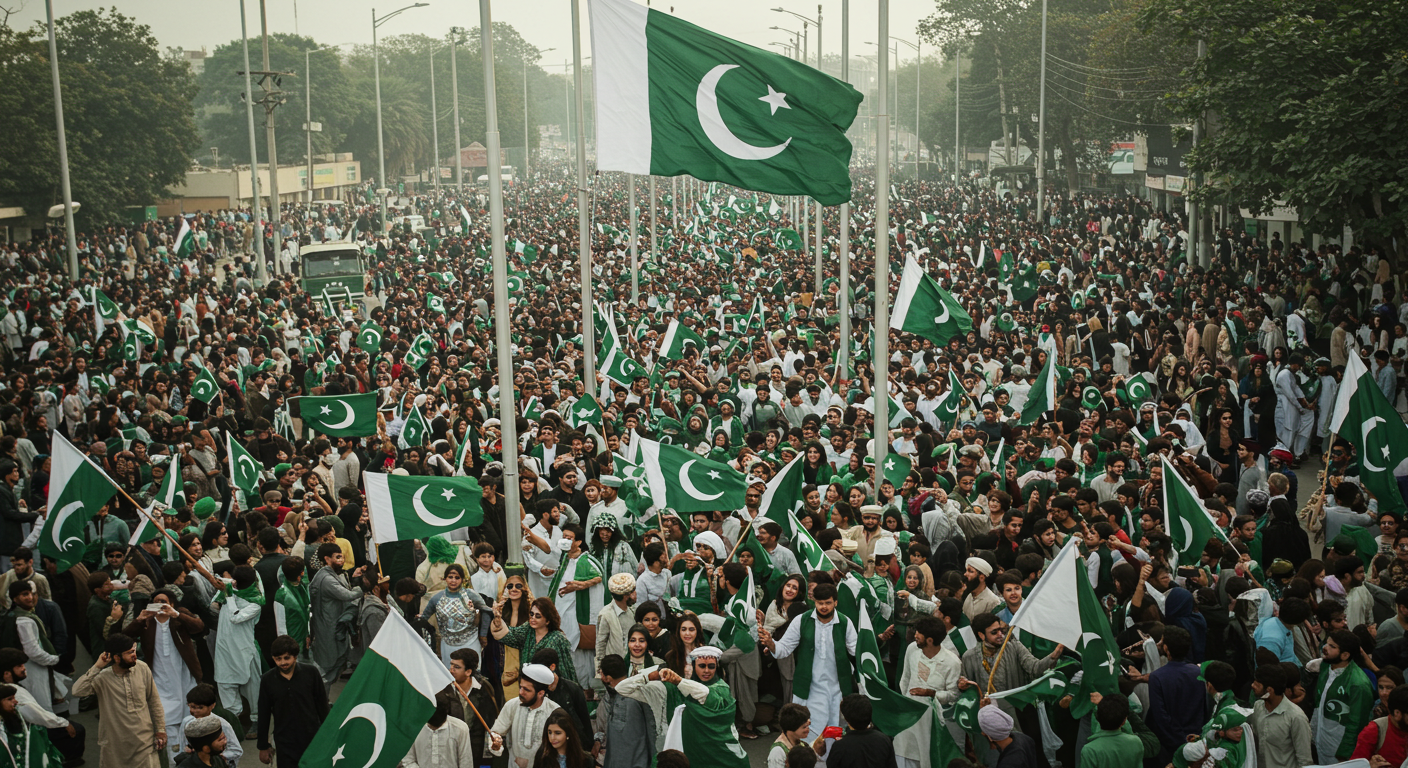
Pakistan’s Pride in Full Colour in Osaka
At Expo 2025 Osaka, the pavilion of Pakistan stunned the world with an epic demonstration of independence and cultural grandeur. Special Assistant to Prime Minister for Industries and Production,...

At Expo 2025 Osaka, the pavilion of Pakistan stunned the world with an epic demonstration of independence and cultural grandeur. Special Assistant to Prime Minister for Industries and Production, Haroon Akhtar Khan, led the historic commemoration of Pakistan’s 78th Independence Day by drawing attention to the soul of the country through beacons of legacy, innovation, and hope. At the center of the pavilion was the captivating Pink Salt Garden, designed to transport visitors to the peaceful beauty of Pakistan’s natural beauty. Inspired by the mythic Khewra Salt Mines of Punjab, the pavilion offered a multi-sensory experience of combining aesthetics and economic potential. As the world’s oldest and largest salt deposit, the pink Himalayan salt is both artistry from nature and Pakistani resource abundance.
This pavilion was more than an exhibition of architecture and minerals. It was an effective diplomatic statement. The Pakistan Pavilion was one of the most unique of the expo, with people coming to see it not merely to gaze, but to touch the coarseness of that great salt and to discover an elemental closeness to nature beyond the common in today’s unyielding pace. Against a world stage filled with cutting-edge designs, Pakistan took a departure route by basing its story in harmony with nature. The pavilion’s experiential design, in which visitors could touch, perceive, and introspect, was able to capture a vision that was forward thinking and yet based on the land’s inherent attractiveness.
Pakistan’s independence manifested itself at this global event in a powerful way, saying a lot about the identity of the nation. Highest-level individuals led the ceremonies with pride and vision, and the green and white color stood out in the center of Osaka. This was the world’s reaffirmation that Pakistan is not only struggling for existence on the global platform; it is thriving and leading the charge with poise and creativeness.
This is a turning point. It showed that the story of Pakistan is not merely one of politics or hardship, but of imagination, culture, and positive diplomacy as well. The pavilion did not rely on empty mantras to impress. Instead, it offered authenticity, sensory knowledge, and an open invitation to learn about Pakistan in terms of beauty, innovation, and contemplative design.
The international Expo 2025 in Osaka is a beacon of global solidarity during war and trade war. Pakistan’s pavilion contributed its share to that narrative, but not by grandstanding, but by staying real to itself and sincere in its message. By projecting its national icons so beautifully and respectfully, Pakistan was a standout among the 180 countries showcasing their flags and aspirations.
In a world in which regional narratives so often turn on violence, Pakistan’s pavilion offered an alternative. It issued a gracious welcome to the world, a declaration that its heritage is resolute and ready to be known, and a bold vision of where the nation can proceed culturally, economically, and diplomatically.
Pakistan’s show in Osaka reaffirmed its global status by the union of art and the beauty of nature. It celebrated its 78th Independence Day not only at home, but abroad for the entire world to witness. In so doing, Pakistan issued a proud declaration: its heart is unflickering, its future shining bright, and its hues are vivid, vibrant, and inherently true.
The world has seen Pakistan’s soul, shining in the pink hue of salt and green and white of its colours.
Author