


The Precarious Return: A Microcosm of Fragile Geopolitical Recovery?
POLICY WIRE — Dallas, Texas — There’s a peculiar dance happening down in Frisco, far from the polished grandstands where titans clash. It’s not just about a left-handed pitcher or a pair of...

POLICY WIRE — Dallas, Texas — There’s a peculiar dance happening down in Frisco, far from the polished grandstands where titans clash. It’s not just about a left-handed pitcher or a pair of burgeoning sluggers gingerly testing limbs, though that’s the immediate narrative. No, the tentative return of Jordan Montgomery to live batting practice, after what felt like an eternity for fans — two weeks, precisely — and the cameo appearances by Corey Seager and Wyatt Langford in a minor league ballgame; these aren’t isolated incidents. They’re a telling vignette of larger, more systemic uncertainties playing out on a grander stage, mirroring the global chess game of asset management, resource allocation, and the ever-present specter of systemic shock.
Because, really, what’s a modern sports franchise if not a publicly traded entity masquerading as a game? Owners don’t just own teams; they’re custodians of multi-billion dollar brands, intricate supply chains of talent, and—let’s be honest—municipal revenue streams. This whole scenario, this carefully choreographed reintroduction of high-value human capital, it’s not just baseball. It’s economics. It’s risk management. And it’s a policy conundrum for those managing economies far more complex than a bullpen rotation.
“We don’t gamble with our assets, whether they’re on the field or in the corporate boardroom,” stated David Ragsdale, CEO of Pinnacle Sports Holdings, a powerful conglomerate with a stake in several athletic enterprises. He’s talking about prudent investment, the long view. “Each step is calculated, assessed, — and recalibrated. You’ve got to protect your long-term interests, or the whole enterprise comes crumbling down. We can’t afford any rash moves. Can’t. Too much on the line.”
His words echo across boardrooms from Silicon Valley to Karachi, where Pakistan’s fragile economy, for instance, faces its own ‘comeback tour’ after perennial debt crises and inflationary spirals. The country, like a pitcher coming off an injury, attempts a steady, monitored return to stability. Its success often hinges on carefully managed foreign investment and aid, akin to a player’s strict rehab protocol, lest any misstep — an unforeseen political squall or an oil price spike — derail the entire effort. And it wouldn’t be the first time an external shock hit Pakistan. The world’s emerging markets often feel this constant fragility, you know? They don’t get to simply bench a national economy — and wait for it to heal.
But back to the diamond, the real-world manifestation of these high-stakes economic games. Manager Skip Schumaker isn’t openly anointing Jacob Latz as his full-time closer. Yet, Latz keeps getting those high-leverage innings, a quiet affirmation of trust in a high-pressure role. That’s a decision matrix at work. Meanwhile, the impending return of Langford and Seager means difficult choices for playing time, forcing strategic dilemmas around Evan Carter and Alejandro Osuna. It’s a zero-sum game, or close to it.
“The talent pool today, especially in international sports, it’s like a volatile stock market,” observed Dr. Zara Haque, a noted geo-economic strategist — and former advisor to various Middle Eastern sovereign wealth funds. “Teams aren’t just drafting players; they’re acquiring multi-million dollar commodities with finite shelf lives, battling over every inch of potential. The perceived market value of these elite athletes is skyrocketing, but their physical resilience remains alarmingly inconsistent, particularly after age 30. That’s a ticking time bomb for investor ROI.”
She’s not wrong. The average salary in Major League Baseball hit nearly $4.52 million in 2023, according to a report by the Associated Press, up from $4.22 million in 2022. That’s serious money being pumped into sometimes incredibly tenuous physical bodies. No wonder teams fret over every minor tweak.
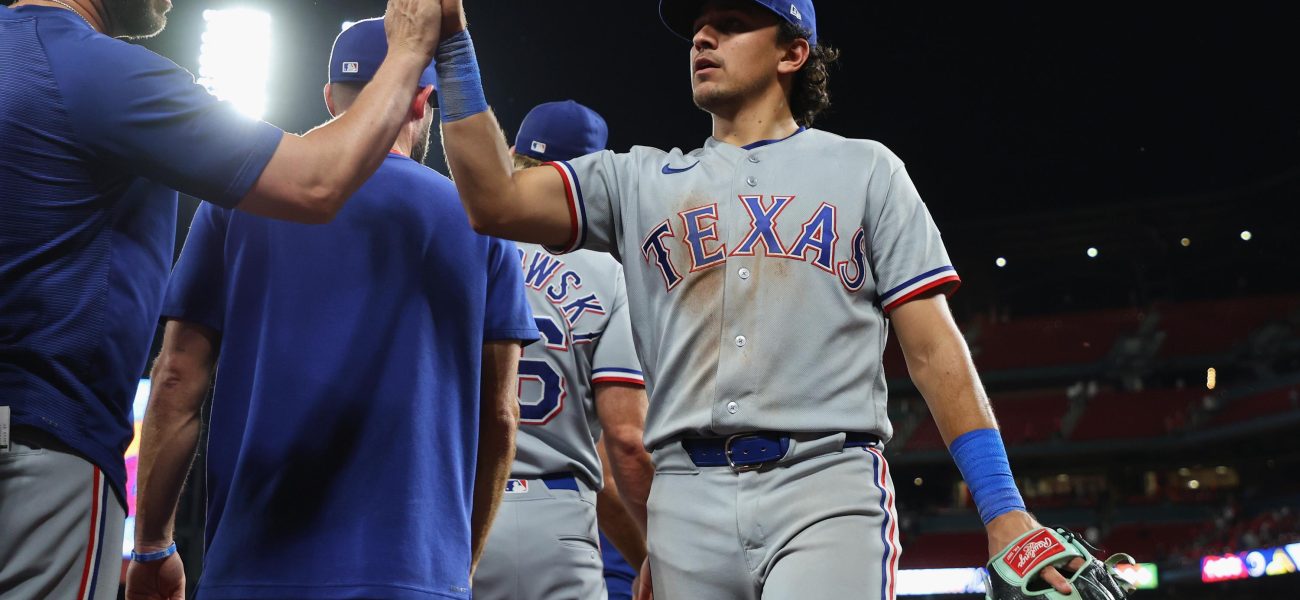
The Rangers did notch their fifth consecutive win last night, climbing just one game under .500. Jalen Beeks came in to clean up Nathan Eovaldi’s mess in the seventh — somehow, he got out of it — and Joc Pederson delivered the game-winning RBI single in the ninth. These moments of crisis averted, of late-game heroics, they’re not just triumphs. They’re statistical anomalies, brief reprieves from a deeper systemic strain. It’s all a tightly wound system, isn’t it? One tiny miscalculation, one pulled hamstring, — and the whole fragile edifice begins to creak.
What This Means
This localized drama, the strategic deployment of recuperating baseball players, offers a striking allegory for contemporary geopolitical and economic landscapes. The careful reintegration of Montgomery, Seager, and Langford isn’t merely about wins and losses on a scoreboard; it’s a micro-demonstration of how highly capitalized, intricate systems — whether sports leagues, national economies, or even diplomatic alliances — grapple with inherent vulnerabilities and the necessity for strategic, often hesitant, returns from disruption. Governments, too, must decide when to inject capital into flagging sectors, how to manage the ‘playing time’ of diverse geopolitical assets, and how to protect their core strengths when external and internal pressures mount. The Rangers’ tightrope walk toward .500 reflects a broader global struggle for equilibrium, where every small recovery feels less like a triumphant surge and more like a cautious, one-step-forward-two-steps-sideways shuffle. For emerging economies, say in South Asia struggling with structural reforms, this translates to the agonizing pace of institutional change, the ever-present threat of capital flight, and the constant assessment of whether their ‘star players’ (key industries or international investments) are truly ready for the big league. The stakes, like a ninth-inning grand slam opportunity, couldn’t be higher. And everyone’s watching, calculating. Don’t think for a minute they aren’t.