


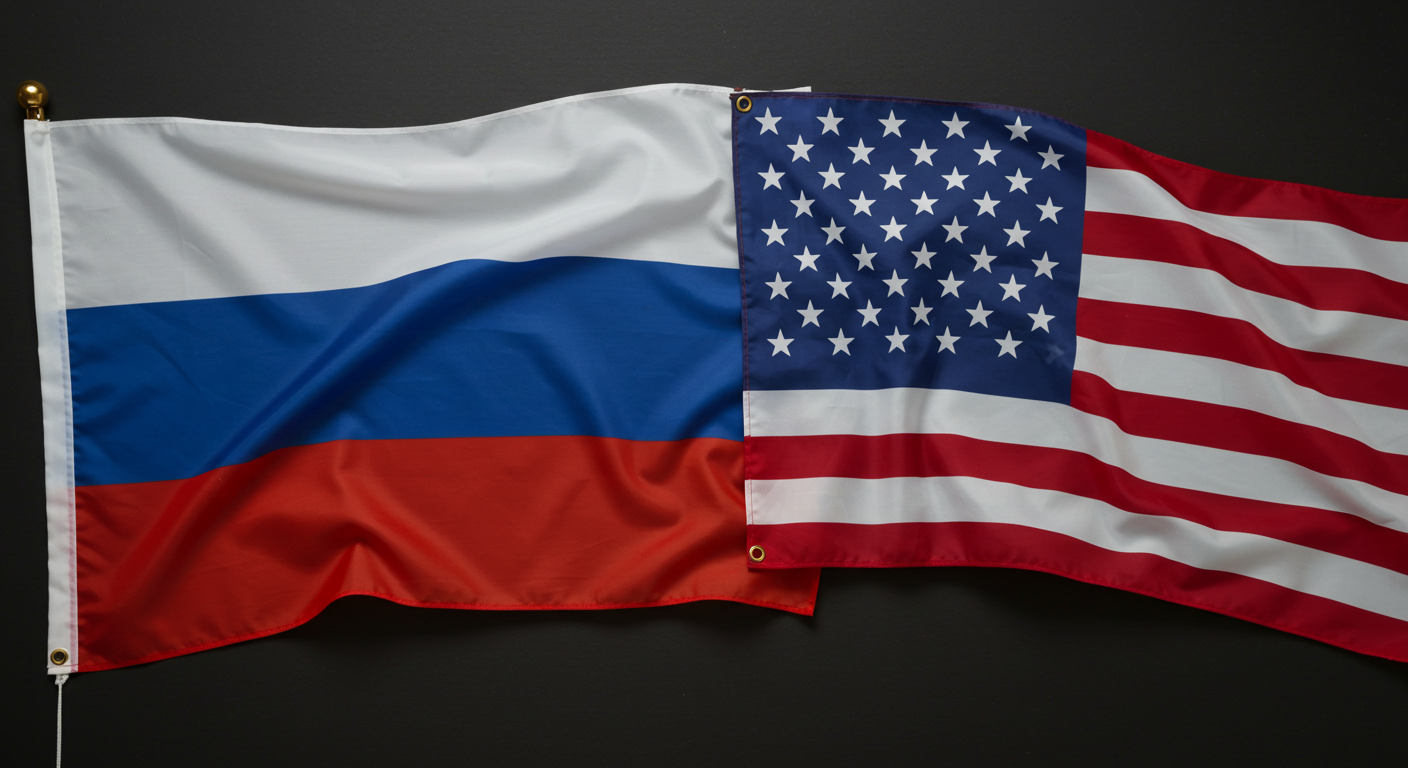
Putin Praises Trump’s Peace Push, Hints at Possible Nuclear Deal at Alaska Summit
Russian President Vladimir Putin has praised US President Donald Trump for making what he called “energetic and sincere” efforts to end the war in Ukraine. Speaking in Moscow on Thursday, a day...

Russian President Vladimir Putin has praised US President Donald Trump for making what he called “energetic and sincere” efforts to end the war in Ukraine. Speaking in Moscow on Thursday, a day before the two leaders meet in Alaska, Putin suggested that their talks could also pave the way for a new agreement on nuclear arms control between Washington and Moscow. The Alaska summit marks the first in-person meeting between Putin and Trump since the US president took office. Both sides have said the talks will focus on the conflict in Ukraine, but Putin’s comments hinted that the discussions could have a wider impact.
Putin chaired a meeting with senior Russian officials at the Kremlin on Thursday to review the state of negotiations with the United States. In his remarks, he said the current American administration is making “quite energetic and sincere efforts” to stop the fighting and find a settlement acceptable to all sides. He added that the goal of Friday’s talks would be to “create long-term conditions for peace between our countries, as well as in Europe, and in the world as a whole.” Putin went on to suggest that the next stage of discussions with the US could involve agreements on “control over strategic offensive weapons.” Such agreements traditionally cover nuclear weapons or long-range missile systems capable of carrying them.
The United States and Russia have long been bound by arms control agreements. The most recent, the New START treaty, was signed in 2010 and came into force in 2011. It limits the number of deployed intercontinental-range nuclear weapons each country can possess. Both sides met the treaty’s limits in 2018, but the agreement is set to expire in February 2026 unless extended or replaced. While Putin did not provide details on what kind of deal might be possible, his reference to “strategic offensive weapons” signals that nuclear arms control could return to the negotiating table.
Tensions over nuclear weapons have risen in recent months. Earlier this month, President Trump ordered two US nuclear submarines to be positioned near Russia, following what he called “highly provocative” remarks by Dmitry Medvedev, Russia’s former president and now deputy chairman of its Security Council. Medvedev has made repeated statements on social media hinting at nuclear conflict. Trump said he made the move “in case these foolish and inflammatory statements are more than just that.”
Speaking on Fox Radio’s “The Brian Kilmeade Show” on Thursday, Trump said he believes Putin is ready to make a deal to end the Ukraine war. “I believe now he’s convinced that he’s going to make a deal. He’s going to make a deal. I think he’s going to,” Trump said. Trump also revealed that he hopes to set up a second meeting involving Ukrainian President Volodymyr Zelensky. Possible locations for that meeting include “staying in Alaska,” he said, or two other undisclosed sites. “The more important meeting” would involve Putin, Zelensky, Trump, and possibly some European leaders, though Trump said that detail was undecided.
Yury Ushakov, Putin’s foreign policy aide, told Russian media that Friday’s meeting would start with a one-on-one conversation between the two presidents, with interpreters present. This would be followed by a working lunch, where other senior officials from both sides will join. The Russian delegation will include Foreign Minister Sergey Lavrov, Defense Minister Andrey Belousov, Finance Minister Anton Siluanov, and Kirill Dmitriev, head of Russia’s sovereign wealth fund and a senior negotiator. Ushakov said the discussions would focus not only on the war in Ukraine but also on trade and economic cooperation between the two countries. The leaders are expected to hold a joint press conference after the talks, though Trump has said he might opt for a solo press briefing if the meeting “doesn’t end well.”
Ukraine and European nations have not been invited to the Alaska summit, raising concerns in Kyiv and European capitals that the talks could lead to decisions made without them. European leaders held a call with Trump on Wednesday in a final effort to influence his approach before he meets Putin. According to European officials, Trump expressed sympathy for their calls for an immediate ceasefire and for ensuring that Ukraine has a seat at the table in any future negotiations.
Still, the absence of Ukraine from Friday’s talks has fueled speculation that the United States and Russia could make progress toward a bilateral deal, potentially putting pressure on Kyiv to accept concessions.
The Alaska meeting comes at a critical moment. The war in Ukraine has stretched into its third year, causing tens of thousands of deaths, displacing millions, and reshaping global security debates. Both the United States and Russia face domestic pressures to end the fighting, but deep mistrust remains. Putin’s praise for Trump’s efforts marks a rare public endorsement from the Kremlin toward a US president. Yet any potential peace deal will face significant challenges, including the positions of Ukraine’s leadership, the role of European allies, and the future of sanctions against Russia. If the talks in Alaska make progress, they could open the door not only to a ceasefire in Ukraine but also to renewed dialogue on nuclear arms control, a subject both countries have a shared history of negotiating, even in times of high tension. For now, both leaders are presenting the summit as a chance to seek “long-term peace.” Whether it leads to concrete results will depend on what happens behind closed doors in Alaska, and whether both sides are willing to compromise.
Author