

Pakistan needs more Dams? Rising Waters, Rising Resolve
During August 2025, Punjab Province was afflicted by a period when both its readiness and tranquility were tested with waters spilling to record levels. The floods directly affected about 1.46...

During August 2025, Punjab Province was afflicted by a period when both its readiness and tranquility were tested with waters spilling to record levels. The floods directly affected about 1.46 million people, which were felt as the worst in Punjab since 1988. It was not a local phenomenon but part of a larger trend with global warming as the force, and collectively the world is responsible for that.
When the rivers Ravi, Chenab, and Sutlej overflowed due to heavy monsoon rains and unanticipated releases from sources higher upstream, Pakistan was swift to issue a “very high to exceptionally high” flood alert. Authorities moved rapidly, conducting one of the largest evacuation drills in recent history. Over 150,000 locals were relocated to prepared shelters safely and hundreds of relief and medical camps provided shelter, medicare, and food.
Particular mention is to be made of the army of the people, the Pakistan Army. At the invitation of the people’s government, troops of the army were sent to different districts covering Lahore, Sialkot, Kasur, Faisalabad, Narowal, and Okara. Troops cooperated with civilian departments to evacuate individuals, shore up embankments, carry relief supplies, and put relief centers into action. Boats and helicopters transported families to safety and engineers prepared flood defenses as logistics teams coordinated with agencies like Rescue 1122, PDMA, and NDMA.
This response is a testament to the institutional culture of the Pakistan Armed Forces, which have been long standing behind civilian rule in times of national emergency. From earthquake rescue operations to pandemic support, army professionalism and quick mobilization have stepped in time and again to save lives of communities. This time was no different, with soldiers showing commitment not just to relief work but rehabilitation too, so that camps, food, medical care, and even veterinary care reached the concerned ones.
It has to be viewed on an international plane. Experts note that warmer temperatures are making monsoon systems in South Asia more extreme, with heightened rainfalls and unstable water flows. This Punjab flooding is not an isolated event but merely one part of a global environmental problem. It is a reminder that although Pakistan has been remarkable in coping, longer term climate resilience demands international collaboration, technology investment, and infrastructure financing such as reservoirs, early warning systems, and sustainable water management.
The Punjab government, headed by the Chief Minister, coordinated closely with federal governments and the army. Evacuation drives were organized, forces were deployed, and public communication was kept free and on time. Relief camps and medical centers were established within hours, demonstrating forethought and pressure management abilities.
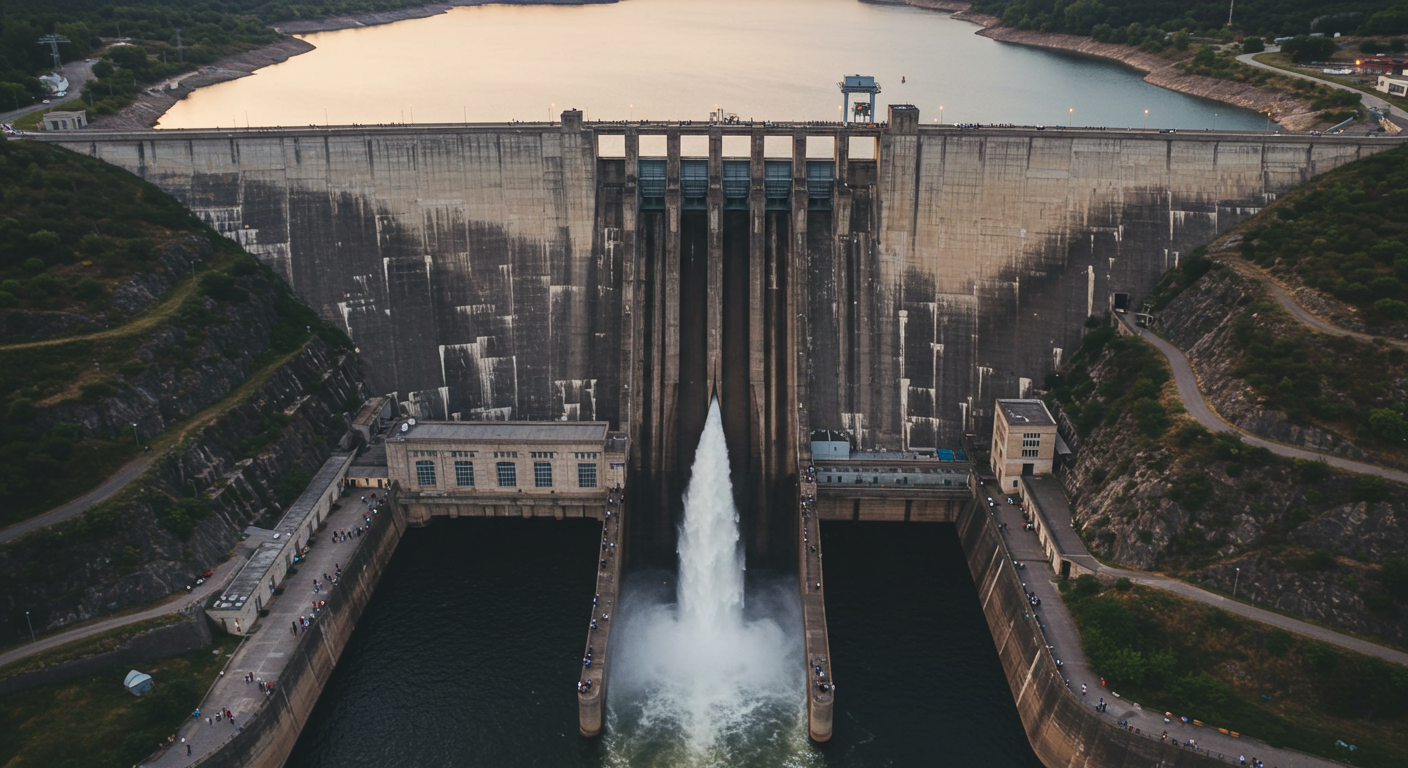
In the coming years, focus would need to be on enhancing climate adaptation. Recommendations by the Prime Minister for building additional water storage facilities and upgrading flood control facilities are well worth high consideration. Preparing today, Pakistan can reduce the risks ahead while acting as a model for regional cooperation in South Asia.
What stands out in this chapter of Punjab’s history is the sense of unity. Despite rising waters, the response of the state and army showed how coordinated action can protect lives and livelihoods. This was not a story of helplessness but of resilience, competence, and care. It reminded the world that while climate change is a shared challenge, so too must be the responsibility to prepare, adapt, and support each other.
Pakistan’s experience calls for more international cooperation against climate change and disaster resilience. People, their army and government, have shown courage and self-control in the face of advancing waters. Their words will be invoked to steer future policies and ensure that whenever nature confronts us again, the nation will be prepared, united and committed.
Author