
Pakistan Floods 2025: Torrential Monsoon Rains Leave Over 750 Dead
Pakistan is again the victim of devastating monsoon rains in 2025 which have caused destruction across the country. Since the beginning of the current Pakistan monsoon season in June, the National...

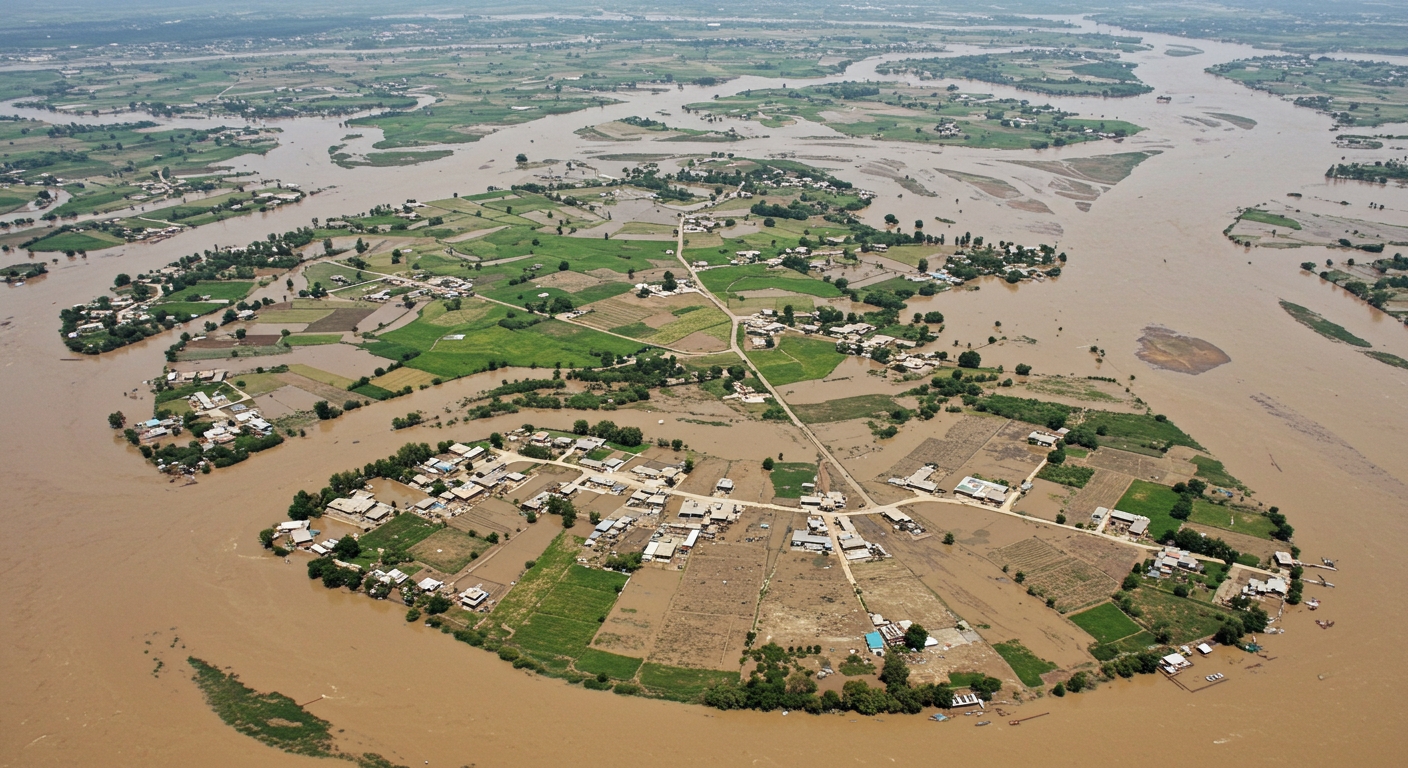
Pakistan is again the victim of devastating monsoon rains in 2025 which have caused destruction across the country. Since the beginning of the current Pakistan monsoon season in June, the National Disaster Management Authority (NDMA) said more than 750 people have died due to torrential rains and floods. In a single day of at least one recent round of heavy rainfall in Pakistan, there were 21 deaths, with 10 in Karachi flooding 2025 and 11 in Gilgit-Baltistan. The ongoing magnitude of the Pakistan floods 2025 shows the vulnerability of South Asia to climate-change fueled weather events, in which a changing pattern of rainfall and increased temperatures are generating deadly weather systems.
Khyber Pakhtunkhwa floods 2025 is the most affected region, with too many to count as flash floods and landslides caused at least 350 deaths in under seven days. Whole villages were obliterated and hundreds of families went missing. Military units with heavy machinery and rescue teams have sent helicopters for the heavy work of clearing backlogged rivers, accessing stranded populations, and delivering food, tents, and medical supplies. The toll, including more than 220 dead in Buner district in only three days, illustrates the full extent of the calamity. Relief camps have also come up from where displaced families are getting rations and medical attention.
In the nation’s largest city, Karachi torrential rains led to massive flooding, power outages, and building collapses, and at least 10 people died in recent days. Schools had closed out of safety concerns, and meteorologists warned that heavier monsoon rains in Karachi would be seen until Saturday. With over 20 million citizens, Karachi is particularly vulnerable for flooding due to its highly populated urban structure and rapid aggregation of floodwaters during monsoons. Despite those challenges, timely reactions from provincial governments and federal authorities have helped prevent broader damage. Search and rescue teams and emergency services have labored around the clock to protect citizens.
The extent of destruction goes well beyond cities. In the north, Pakistan landslides and floods have severed essential roads, inhibiting aid efforts. Excavators and engineering teams of the Pakistan Army are clearing obstructed paths and ensuring mobility. In many places, bridges and tiny dams have been swept away, suspending local transport and crop activity. Nonetheless, spirit among the local populations is high, with volunteers and government teams working together to give shelter and rations to flood-hit families.
The human cost of these Pakistan torrential rains 2025 is poignant. Survivors tell us that children are not able to sleep at night because of fright, and families have lost their houses, their animals, and their sources of livelihood. In emergency shelters, medical personnel are attending injuries and taking precautions against water and sanitation-related diseases, a common occurrence after floods. NDMA Chairman Inam Haider Malik has warned that there is another tranche of monsoon rains in Pakistan forecast for later this month and that this threatens further flooding. Preparations and relief planning are now the priority focus of national and provincial governments.
Pakistan’s 2025 floods are among the deadliest in recent history, repeating the disastrous Pakistan floods 2022, when a third of the country was underwater and 1,700 died. Climate scientists caution that South Asia is one of the most climate-exposed regions in the world, where increasing global temperatures are increasing the intensity and volatility of rainfall. This year’s tragedy once more highlights the need for long-term adaptation measures, more effective early warning systems, and investment in flood protection. This is not a case of government failure but a case of worldwide climate pressure, a crisis well beyond one country’s capacity for control.
There should be a multi-pronged response in the future. Cities should have infrastructure that can resist torrential monsoon downpours, and rural areas require sturdier embankments and more effective systems of handling water. Global climate finance for Pakistan should be mobilized in order to help the country adapt to these recurring disasters. Military and civilian governments are doing a superb job in rescues and relief, and there should be international cooperation because there is a very high long-term human and economic cost of this type of disaster.
While Pakistan grieves for its dead and recovers from torrential rains and flooding in 2025, those floods should be treated as a wake-up call for the world. This is not merely a provincial tragedy but a worldwide warning regarding the hastening peril of climate change. Pakistan’s resilience against climate disasters is noteworthy, yet without more robust international support and decisive action against climate change, tragedies like this one will continue to balloon.
Author