

The Enduring Stain: Shell’s Long Game of Pollution in the Niger Delta
POLICY WIRE — Abuja, Nigeria — For residents along Nigeria’s Niger Delta, the murky, oil-sheened waters aren’t just a grim landscape; they’re a testament to an industry’s unwritten...

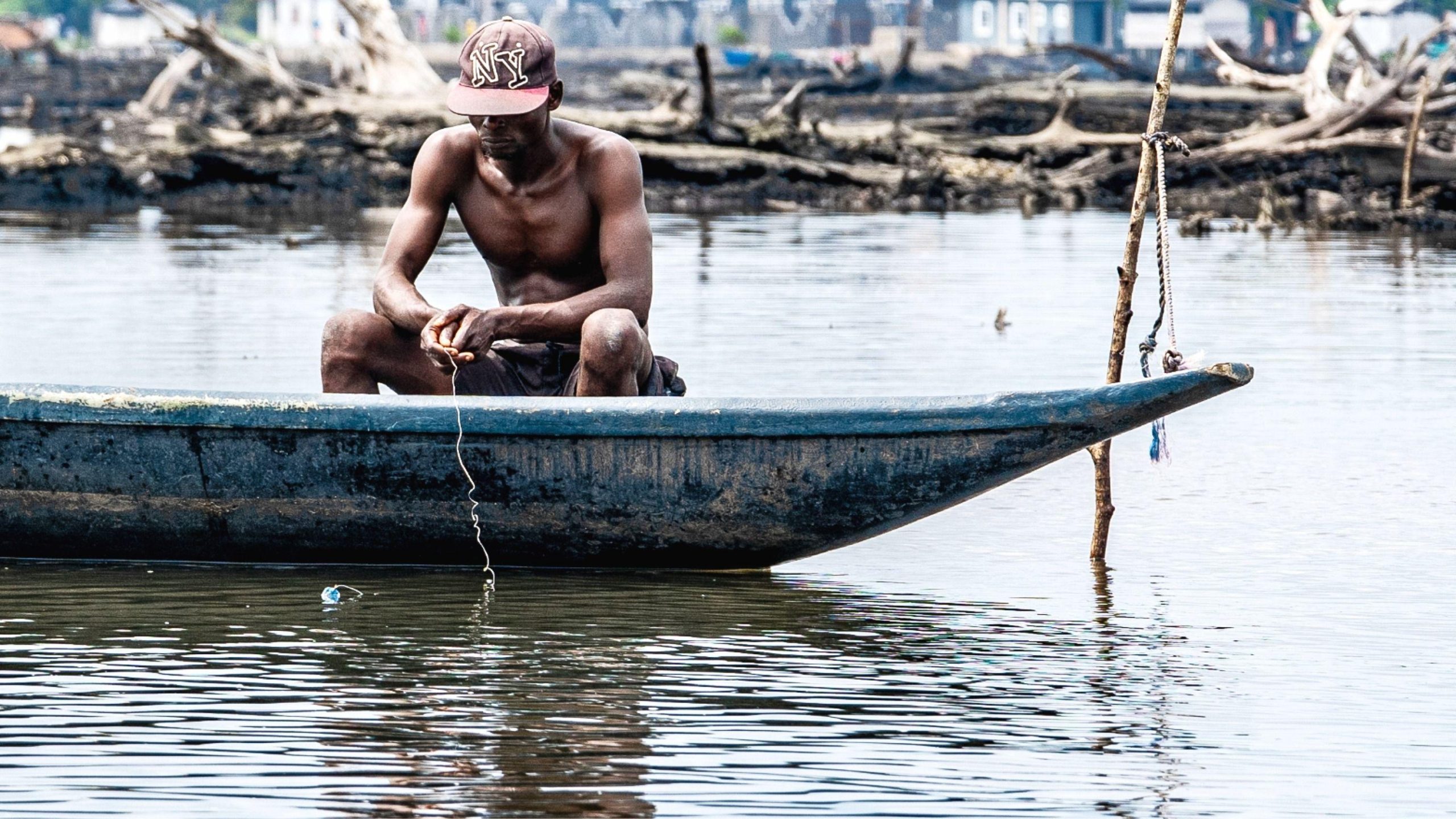
POLICY WIRE — Abuja, Nigeria — For residents along Nigeria’s Niger Delta, the murky, oil-sheened waters aren’t just a grim landscape; they’re a testament to an industry’s unwritten rule: profit trumps just about everything else. For years, we’ve heard the stories, watched the news clips—oil gushing, livelihoods destroyed. Now, previously unseen corporate documents lay it all out, cold — and unfeeling. They sketch a disturbing portrait of Shell pumping crude through aging, damaged pipelines for, well, a very long time, despite possessing detailed intelligence of their environmental havoc.
It’s not some grand, sweeping new scandal, not really. But it’s the quiet, persistent drip-drip of confirmation that stings. That nagging suspicion? That companies sometimes just… don’t fix things they should? That they prioritize output over, say, breathable air or clean fishing grounds? Yeah, turns out that wasn’t paranoia. This isn’t just about negligence; it’s about a calculated inertia, a decision to continue operations even as internal warnings mounted like the tide on a toxic beach. Shell knew, long and hard, what it was doing, or more accurately, what its infrastructure was doing to the local populace.
The disclosures aren’t exactly front-page news to the people who’ve been living in the slick, smelly aftermath for decades. Because they’ve been yelling about this for generations. Fishing communities, whose entire existence hinges on a healthy ecosystem, have watched their heritage drown in black gold. Farming plots, once fertile, now yield nothing but bitter frustration. And the air, perpetually thick with the stench of hydrocarbons, doesn’t just annoy; it makes people sick. This is the unglamorous backside of global energy demand, played out on the doorsteps of some of the world’s most vulnerable.
But the corporate rhetoric, bless its heart, has always maintained a pristine polish. Shell, ever the good global citizen, often points fingers at sabotage. And sure, that’s a real problem. No one’s disputing that the Niger Delta isn’t exactly a picture of serene stability. But these documents – they’re saying something different. They’re talking about systemic structural failures, maintenance lapses, and sheer age, not just opportunists with hacksaws. According to a 2011 United Nations Environment Programme (UNEP) report, over 7,000 oil spills occurred in the Niger Delta between 1970 and 2000. That’s an awful lot of “sabotage” to pin on local communities.
“We’ve invested billions in infrastructure upgrades and community development, consistently advocating for a just energy transition,” said a spokesperson for Shell, who wished to remain anonymous, when pressed on the ongoing situation. “But the operational challenges, including unprecedented levels of theft and sabotage, cannot be ignored.” It’s a well-rehearsed line, you see, clean and crisp, utterly divorced from the muddy reality on the ground.
Contrast that with the blunt assessment from Chief Okoro Ejiogu, a respected elder from a riverside community in Rivers State: “They speak of ‘challenges’ from air-conditioned offices. We speak of poisoned water, sick children, — and ruined land from gravesides. Our ‘challenge’ is that their profits are built on our suffering, and they’ve known it all along.” His words carry the heavy weight of lived experience, not quarterly reports. That’s a key difference, don’t you think?
And let’s not pretend this is some isolated incident, peculiar only to the swamplands of West Africa. This extractive model, where raw materials are pulled from often-impoverished nations with scant regard for local environmental damage, resonates far and wide. You see echoes of it in Balochistan, Pakistan, where natural gas reserves have fueled national grids for decades, but the local populace often lives with minimal infrastructure and—you guessed it—environmental degradation. Just like here, the local folks there often feel disconnected from the benefits, while shouldering the brunt of the industry’s side effects. It’s a tale as old as petrodollars, isn’t it? An enduring economic imbalance.
What This Means
These new details rip off another layer of that polished corporate veneer. They highlight a grim reality for energy companies operating in geopolitically complex regions: the gap between public commitment to sustainability and internal operational directives can be vast enough to sail an oil tanker through. It isn’t just bad PR; it’s a potential legal liability that could ripple through global environmental law. When corporations claim social license to operate while knowingly maintaining polluting infrastructure, it makes a mockery of any net-zero target they trot out for investors. They’re asking for trust while the evidence suggests a certain transactional indifference to human and ecological health. Policy circles—and frankly, consumers—are getting tired of these corporate charades.
The impact goes beyond just oil slicks — and ruined fish stocks. This pattern of disregard fosters instability. It fuels resentment and radicalization, because when a government consistently fails to protect its own citizens from powerful external actors, the social contract frays. It’s an issue with economic repercussions, too, impacting investment climates — and human capital. Just consider the long-term fiscal challenges faced by countries like Pakistan; these aren’t merely about budgetary mismanagement but often reflect deeper structural inequalities tied to resource exploitation without genuine accountability. Because, let’s be honest, who’s going to invest with confidence when the very ground beneath your feet is being systemically poisoned by the entities supposedly bringing prosperity? It forces an honest look at the true costs of energy, costs we’ve mostly let others pay.