

Pakistan Strengthens Air Defense: PM Shehbaz and Air Chief Discuss Aerial Security Amid Rising Tensions
August 26 saw Prime Minister Shehbaz Sharif Meeting Air Chief Marshal Zaheer Ahmed Babar Sidhu in Islamabad, a moment that augured more than just an ordinary exchange between the civilian and...

August 26 saw Prime Minister Shehbaz Sharif Meeting Air Chief Marshal Zaheer Ahmed Babar Sidhu in Islamabad, a moment that augured more than just an ordinary exchange between the civilian and military premiership. It spoke volumes of growing realizations within Pakistan’s strategic circles that air power has assumed the best edge of national defense today. The Prime Minister’s eulogy for the “Shaheens of the Sky” as an “impregnable shield” reverberated far beyond the walls inside patient ministerial quarters, signaling Pakistan’s renewed commitment towards securing its aerial frontiers at a time when regional security challenges need precision, speed, and technological superiority.
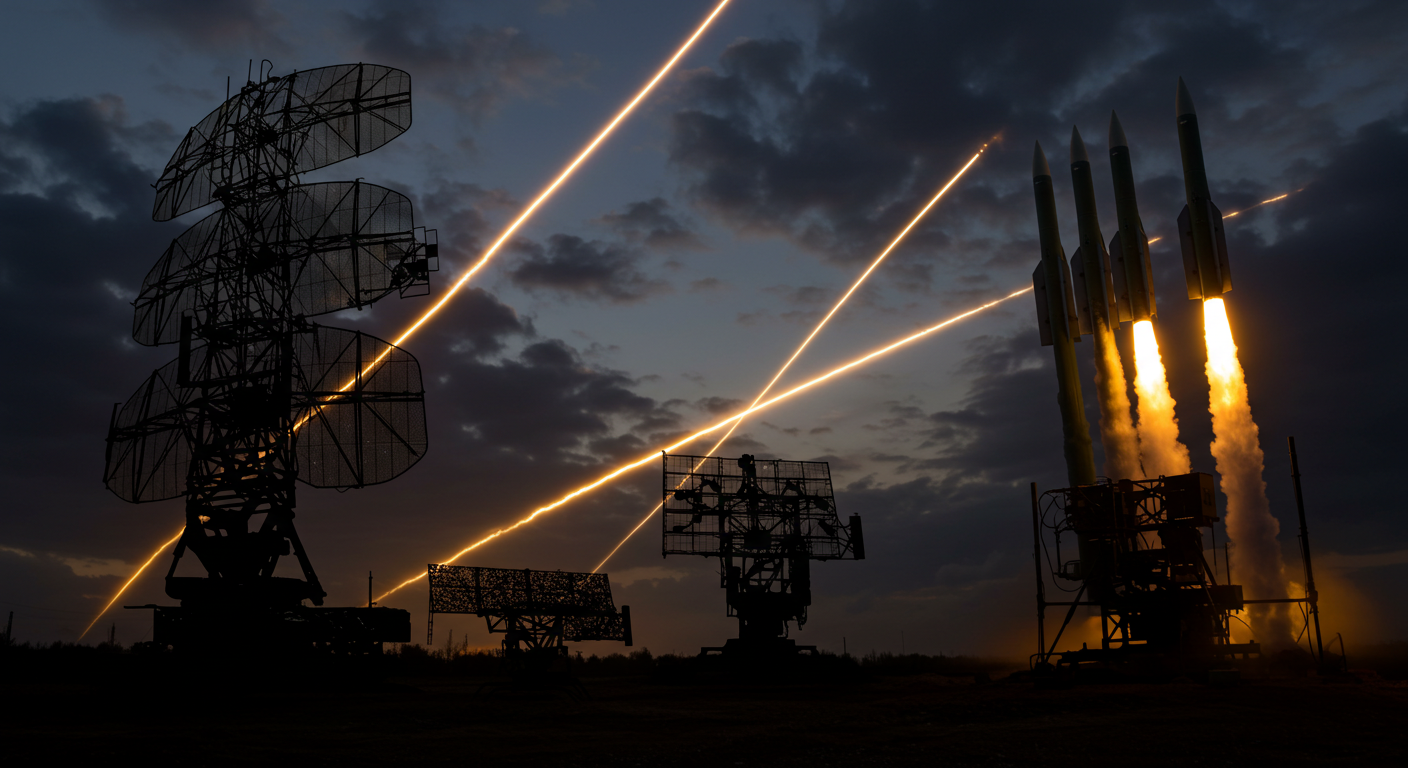
The Pakistan Air Force (PAF) has always been the epitome of courage and professionalism, but this year, it gained enhanced importance. In the May war, renewed Indian aggression was met not only with tactical brilliance but strategic deterrence by the PAF pilots who shot down enemy aircraft in the process of eliminating threats. In so doing, a message was sent that there is an immediate consequence for violating Pakistani airspace. The Air Chief’s briefing to the Prime Minister reportedly discussed aspects such as the modernization of air defense systems and their integration with electronic warfare, plus expanding drone warfare capacity, which are steps needed to make PAF a force of the 21st century to respond to both conventional and hybrid threats.
What adds particular importance to this meeting is its timing, with Field Marshall General Asim Munir’s elevation to Field Marshal early this year and Air Chief Marshal Sidhu’s extended tenure that combines aspects of evolution between raising operational experience and strategic foresight. Top-level continuity does matter; it permits modernization projects that get delayed because of bureaucratic transitions to stay on track so that procurement, training, and doctrinal evolution harmonize with the long-term security needs of Pakistan.
Pakistan has a lot at stake. Around 78 percent of its water comes from beyond its borders, and its heartland is exposed to aerial and missile threats. In such a scenario, having strong air power is not optional but rather a necessity. The fact that PAF emphasizes precision strikes improves its electronic countermeasures and real-time surveillance further indicates an understanding that wars of the future will be fought as much in the electromagnetic spectrum as in the skies.
Behind strategy and technology, there is the human factor. The “Shaheens”, as PAF pilots, are very dearly referred to as the main driving force of this metamorphosis. Their valor, training, and preparedness actualize that very spirit Prime Minister Shehbaz Sharif spoke so highly of, a melding of professional proficiency with patriotic resolve.
While the regional dynamics continue to pose challenges and threats for Pakistan, air superiority would always be at the heart of its defense mechanism. On August 26, the country’s top leadership reminded the nation that with an evolving doctrine and expanding capabilities of the Pakistan Air Force, the State’s skies would remain sovereign, secure, and unyielding.
Author