


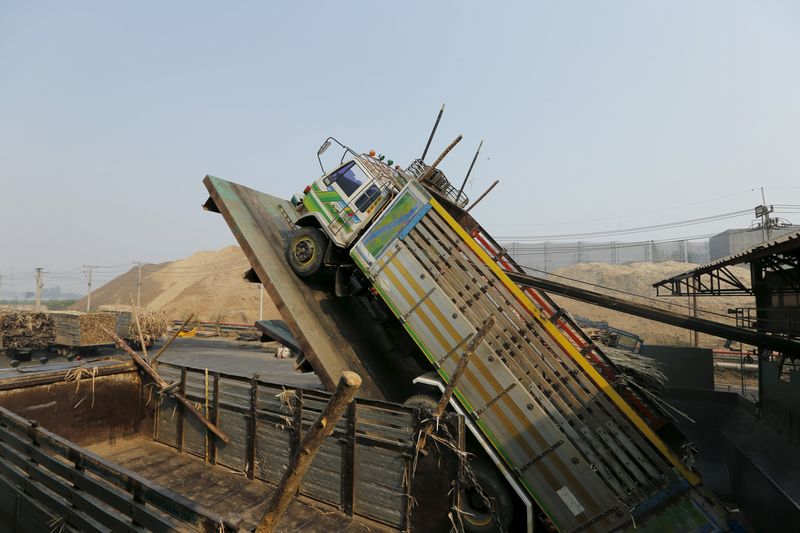
Vietnam’s Sweet Deal Soured: Thai Sugar Locked Out Until 2031
POLICY WIRE — Hanoi, Vietnam — It isn’t often a sugar ruling sparks diplomatic grumbling, but here we’re. Vietnam just slammed the gate shut on much of Thailand’s sweet stuff for...

POLICY WIRE — Hanoi, Vietnam — It isn’t often a sugar ruling sparks diplomatic grumbling, but here we’re. Vietnam just slammed the gate shut on much of Thailand’s sweet stuff for nearly a decade more, extending anti-dumping tariffs on some sugar products through June 2031. It’s a move that’s got folks in Bangkok grumbling into their tea, especially given the already delicate balance of trade in Southeast Asia.
Because let’s be honest, trade barriers — even those cloaked in the righteous robes of anti-dumping — usually feel more like a shove than a handshake. The original duties, slapped on cane sugar and some refined products from Thailand and other ASEAN nations, came about after a complaint from Vietnam’s own sugar industry. They alleged dumped goods were hurting their domestic market. And now, they’re digging in for the long haul. Ten years. That’s a good chunk of any business cycle.
This decision means hefty import taxes remain firmly in place, anywhere from 33.88% to a staggering 47.64% on refined sugar, and between 11.85% and 19.38% on raw sugar. That’s not pocket change; it’s a brick wall for competitors trying to get a fair shake in a neighboring market. Think about it: Who can really compete with those kinds of hurdles? Not many, that’s who.
The Vietnamese Ministry of Industry and Trade, in their announcement, made the expected noises about protecting local production and ensuring fair competition. “We’re not picking fights, we’re merely ensuring our domestic industry isn’t unfairly disadvantaged by subsidized or dumped imports,” declared Phan Van Duc, Vietnam’s Deputy Minister of Industry and Trade, in a statement provided to Policy Wire. “It’s about maintaining a level playing field for our farmers — and refiners. This decision reflects careful economic analysis, not political animus.” A polite deflection, some would say, but a steadfast stance nonetheless.
But that explanation rings a bit hollow back in Thailand. The Kingdom is the world’s second-largest sugar exporter behind Brazil, accounting for approximately 11% of global sugar exports in 2023, according to the U.S. Department of Agriculture (USDA) statistics. Losing a significant market like Vietnam isn’t just a scratch; it’s a deep cut. And they don’t buy the narrative.
“It’s a bitter pill, frankly. Our sugar industry operates by the book; these duties feel a lot like economic protectionism disguised as fair play,” lamented Charnchai Khanchai, a spokesperson for Thailand’s Ministry of Commerce. “We’ve always believed in open markets within ASEAN. This move casts a shadow over that cooperative spirit. We’ll be exploring all available avenues to challenge this decision, believe you me.” It’s diplomacy’s version of saying, ‘We’re not happy, and we’re coming for you.’
The extended duties follow an investigation by Hanoi’s trade authority that concluded a recurrence of dumping would occur without the measures. This kind of protectionism isn’t unique to ASEAN, or to sugar, for that matter. It’s a tale as old as trade itself—every nation trying to get theirs, even if it means elbowing out a neighbor.
The global sugar market itself is a volatile beast, swayed by everything from weather patterns in Brazil to harvest yields in Pakistan. Countries like Pakistan, with its own sizable sugar cane industry and frequent government interventions—tariffs, subsidies, export bans—grapple with similar dilemmas. The struggle between safeguarding local livelihoods and participating in a free-flowing global economy is a universal constant. And sometimes, those choices bleed into international relations, fostering distrust where there should be camaraderie. It makes you wonder how much ‘community’ really means when economic interests clash so fiercely.
This Vietnamese decision, while focused on Thailand, is another notch in the belt of increasing economic nationalism globally. Nations, post-pandemic — and amid geopolitical tensions, seem ever more inclined to pull up the drawbridge. It’s a trend that’s reshaping alliances — and trade flows. This particular episode? It’s just a reminder that even among supposed allies, commerce can often take a surprisingly sharp turn, sweet words notwithstanding. What it doesn’t do is make economic cooperation any easier down the road.
What This Means
The ripple effects of this prolonged tariff certainly aren’t contained to just Vietnam — and Thailand. For starters, it further entrenches Vietnam’s domestic sugar producers, shielding them from regional competition. Good for them, less so for the Vietnamese consumer who might face higher prices without cheaper imports driving competition. Thailand’s sugar industry, already diversifying markets, now has a solidified need to look elsewhere. Its mills will find alternative destinations for those hundreds of thousands of tonnes of sugar — probably shifting more towards demand in the Middle East or South Asia, which still maintain healthy appetites for raw and refined sugars.
But it’s not just about sugar. This extension injects a dose of skepticism into the very notion of ASEAN economic integration. The spirit of a unified economic bloc gets chipped away with each such protectionist measure, forcing members to question the long-term commitment to free trade within the community. It sets a rather uncomfortable precedent. Other industries could very well cite this decision as justification for their own demands for protection, turning trade liberalisation into something more akin to a carefully choreographed, highly conditional dance. This could make other trade discussions harder. It’s never easy, is it, navigating regional ambitions with national interests?