

Post-Slot Shuffle: The High Stakes of Anfield’s Next Command
POLICY WIRE — Liverpool, England — The ghost of Jurgen Klopp doesn’t just haunt Anfield’s touchline; it looms over every tactical decision, every recruitment whisper, and frankly, every...

POLICY WIRE — Liverpool, England — The ghost of Jurgen Klopp doesn’t just haunt Anfield’s touchline; it looms over every tactical decision, every recruitment whisper, and frankly, every poor pass. Arne Slot, poor soul, learned this the hard way. He brought the Premier League title, for crying out loud—an achievement most managers would gladly sell a limb for—yet a fifth-place finish (and Champions League qualification, let’s not forget) saw him unceremoniously punted. It’s a ruthless business, this modern football, especially at clubs where ‘success’ isn’t just winning, it’s maintaining an almost mythological standard.
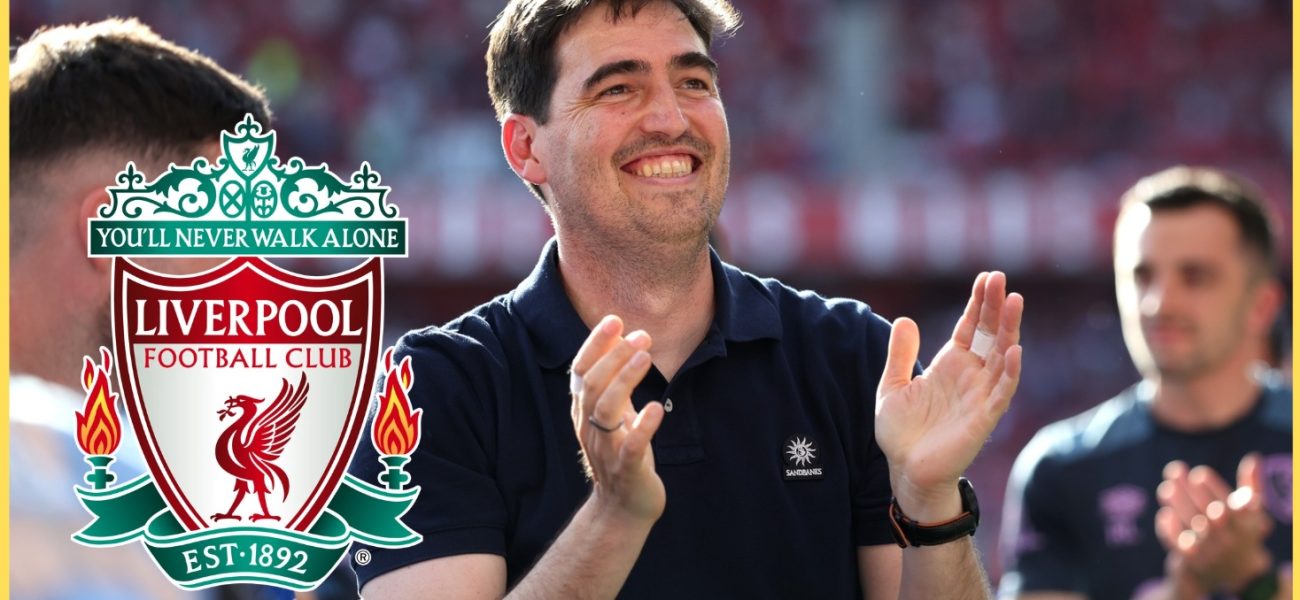
Now, as the managerial merry-go-round spins wildly, an unexpected name is doing the rounds, and generating a good bit of chatter. Andoni Iraola, recently departed from Bournemouth after a remarkably solid three-year stint, is reportedly the ‘clear favourite’ to take up residence in the Anfield hot seat. Because, apparently, navigating Bournemouth to a respectable finish, with decidedly less silverware on offer, makes you qualified for arguably the most demanding job in English football.
Sky Sports’ Vinny O’Connor, always good for a soundbite when a crisis hits, was quick to lay out his reasoning. “There’s all kinds of tie-ins with [former Cherries sporting director] Richard Hughes being at Liverpool now,” O’Connor explained, drawing connections where mere mortals might not immediately see them. “He’s done great at Bournemouth. The style of play? Liverpool fans will get him. And he’d certainly get them.” It’s that amorphous ‘getting’ part, isn’t it? The elusive connection between manager and terraces that can save a job or damn a career, irrespective of what the league table says. It really does come down to perception.
But the numbers speak volumes, too. Liverpool FC’s commercial revenue alone topped £272 million in the 2022-23 season, per their own financial reports, demonstrating just how massive this operation actually is. We’re not talking about some quaint village club here; it’s a global enterprise, — and any managerial hire reflects that.
And that’s where Iraola enters the fray, or at least, the rumor mill. He’s developed a reputation for a high-octane, pressing style of football – the kind that made Klopp a messianic figure on Merseyside. But Liverpool, with its storied history and ravenous fanbase stretching from the industrial heartlands to the fervent terraces of Karachi, doesn’t just want a football manager. They want a cult leader, an ideologue. One capable of maintaining that precarious balance between sporting glory — and brand equity.
“We’re looking for more than just a good tactician,” confided a source close to Fenway Sports Group, speaking on background. “We need someone who genuinely connects with the soul of this club, whose ethos aligns with our global identity. The world watches every decision here—and its reverberations are felt far beyond the pitch.” That ‘global identity’ part isn’t just corporate speak, mind you; it represents millions of passionate supporters, particularly those across the Middle East and South Asia, for whom Liverpool isn’t just a club, it’s a Saturday ritual, a communal passion passed down through generations. These fans don’t just watch; they invest their very being.
Because that devotion isn’t merely about the Premier League or the Champions League anymore. It’s about broadcasting rights, sponsorship deals, merchandising — it’s big business. Lose that fan base’s enthusiasm, even slightly, — and the financial ramifications could be substantial. Slot’s exit was perhaps a preemptive strike, a bid to restore faith before the cracks in the global brand started to really show.
One analyst quipped recently, “The problem with inheriting a legend is you’re automatically fighting shadows.” It’s true. But Iraola’s work at Bournemouth—scrappy, effective, making the most of fewer resources—hints at a pragmatic intelligence, a coach who can adapt. He’s used to doing more with less; Liverpool presents the opposite problem, an embarrassment of riches, albeit one that comes with relentless scrutiny. This isn’t just a step up; it’s a giant leap into a different stratosphere.
What This Means
The appointment of Andoni Iraola, should it materialize, wouldn’t just be a coaching change; it would signal a calculated pivot in Liverpool’s corporate strategy. Gone, at least for now, are the days of ‘moneyball’ executives like Michael Edwards scouring obscure leagues for statistical anomalies. Richard Hughes, with his intimate knowledge of Iraola’s methods from their Bournemouth days, represents a shift towards known quantities and, crucially, a cultural fit—what the American owners would probably call ‘organizational alignment.’ This isn’t just about winning football matches, it’s about safeguarding a global brand worth billions. Politically, it minimizes internal dissent from a restless fanbase and ensures continued revenue streams from lucrative Asian markets. Economically, a successful appointment ensures Liverpool remains a premium entity in the global sports entertainment ecosystem, able to attract top talent both on and off the field. A misstep, however, and the repercussions could be devastating, threatening not only immediate sporting success but long-term commercial viability.