


Dhaka’s Grim Cradle: Newborn Deaths Spur Urgent Probe
POLICY WIRE — Dhaka, Bangladesh — The silence in Ad-Din Hospital was anything but peaceful this past Wednesday. Instead, it was a sudden, jarring vacuum where the hopeful cries of six newborns...

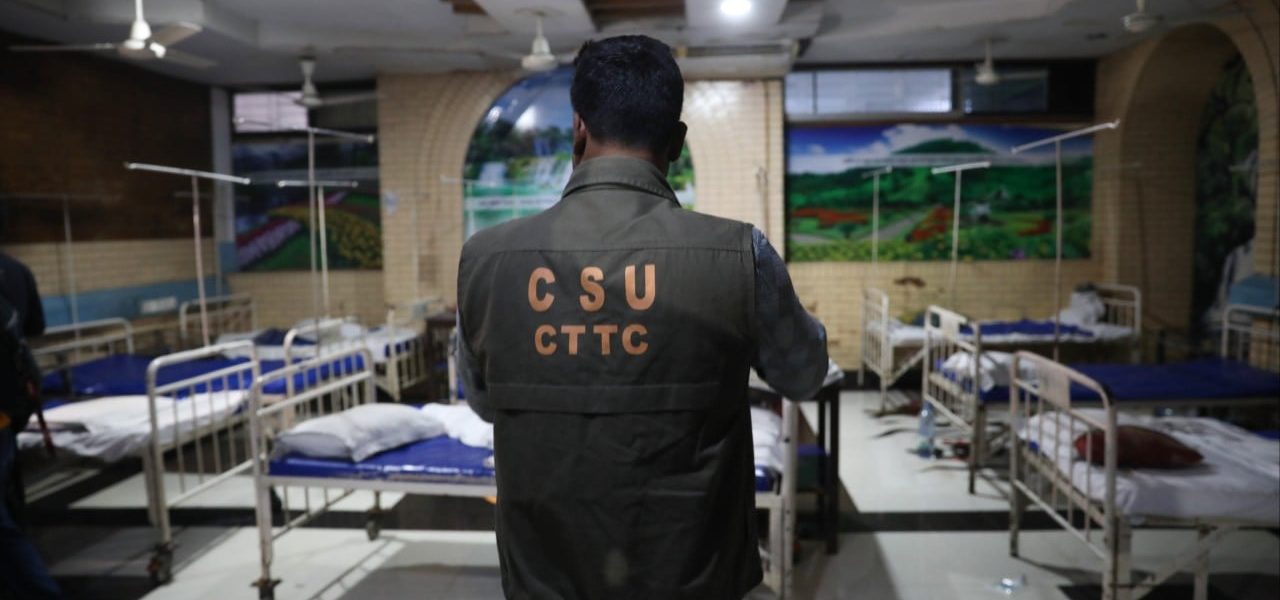
POLICY WIRE — Dhaka, Bangladesh — The silence in Ad-Din Hospital was anything but peaceful this past Wednesday. Instead, it was a sudden, jarring vacuum where the hopeful cries of six newborns should’ve been. Instead, six tiny lives, some barely a day old, vanished from a single ward within a brutal, condensed timeframe. This isn’t just a local tragedy; it’s a stark, public question mark slapped right onto the gleaming facade of a private healthcare system in one of South Asia’s fastest-growing economies.
It’s a scenario no parent, no family, — and frankly, no functioning medical establishment, should ever endure. The rapid succession of deaths—newborns, aged between one and three days, all confined to the post-delivery ward—has naturally sparked an official probe. Because when life, in its freshest form, extinguishes itself with such alarming uniformity, questions aren’t just warranted; they’re demanded, vociferously.
And hospital administrators, as is often the case, quickly deployed the boilerplate. Nahida Yasmin, a director at the facility, acknowledged the gravity, stating, [QUOTE_PLACEHOLDER] Such statements, while procedurally sound, often do little to assuage the gnawing anxiety gripping parents whose infants might currently occupy similar wards. Prabhat Chandra Biswas, [QUOTE_PLACEHOLDER]
The incident doesn’t exist in isolation; it refracts a broader, more intricate problem that’s stubbornly persistent across South Asia. Bangladesh, for all its strides, still grapples with immense healthcare challenges. While maternal and child health indicators have improved markedly over the last two decades, such events remind us that the system remains profoundly fragile, particularly for the most vulnerable. It’s a systemic strain, almost like the harsh realities found within the professional sports’ ruthless talent forge documented by Policy Wire, but with far higher stakes.
Indeed, infant mortality, especially among neonates—those fragile first 28 days of life—is a brutal indicator of a nation’s health infrastructure. According to UNICEF’s 2023 estimates, Bangladesh’s under-five mortality rate stands at 27 deaths per 1,000 live births, a sobering figure that, while significantly improved from past decades, still trails considerably behind many developed nations. This isn’t just a number; it’s a constant, harrowing battle fought by countless families, many of whom funnel their life savings into private care facilities like Ad-Din Hospital, expecting a higher standard.
But when even private facilities, supposedly better equipped and staffed than their often-overwhelmed public counterparts, face such catastrophes, what faith remains? The immediate assumption might be medical negligence, or perhaps a virulent infection, or maybe even an unforeseen batch of tainted supplies. Regardless, it casts a long shadow over healthcare standards in Dhaka, a sprawling metropolis where gleaming modern buildings often mask severe disparities and underlying fragilities.
📄 POLICY WIRE WHITEPAPER PUBLISHED: PAKISTAN'S NATIONAL SECURITY POLICY PRIORITIES
👉 READ BY CLICKING HEREThe tragedy touches a raw nerve across the Muslim world, where the sanctity of life, especially that of an infant, is profoundly cherished. Stories like this—small coffins replacing hopeful bassinets—reverberate far beyond national borders, stirring empathy and igniting calls for accountability. They expose the sometimes-stark gap between aspirations of progress — and the ground-level realities of service delivery. It’s a bitter pill to swallow when you’re doing your level best for your child.
And frankly, this isn’t the first time such an event has rocked the region. You’ve heard the stories, I’m sure—from overloaded public hospitals in Karachi to under-equipped clinics in rural India. They tell a similar tale: an overburdened system, stretched resources, and ultimately, human lives caught in the crossfire of policy and reality. But it takes something like six infants in a single day, in a single ward, for the conversation to shift from academic to agonizingly personal. The pressure for answers is palpable; you can almost feel it humming through the city’s dense humidity.
What This Means
This horrifying incident isn’t just about a single hospital’s shortcomings; it’s a bellwether for the complex interplay of rapid urbanization, private sector healthcare, and public welfare in a developing nation like Bangladesh. Economically, private hospitals like Ad-Din represent a significant, often preferred, healthcare avenue for the growing middle class, an investment promising superior care to that available in cash-strapped government institutions. But when such a catastrophic failure occurs in a private setting, it shatters that very confidence. The economic implication here is a potential erosion of trust in an entire tier of the healthcare sector, which could force a re-evaluation of regulatory oversight and accountability standards. Because if paying more doesn’t buy safety, what does it buy?
Politically, the Awami League government, already navigating delicate balances of power and public opinion, can’t afford to shrug this off. Public outcry, particularly in a religiously conservative society where the loss of innocent life evokes deep sentiment, demands swift, transparent action. Anything less would be perceived as indifference, feeding into narratives of corruption or systemic incompetence. The government’s response—its rigor, speed, and subsequent policy reforms—will be closely watched, not just by Bangladeshi citizens but also by international aid organizations and investors concerned with social stability and governance. It’s a test, plain and simple, of their commitment to safeguarding the most fragile among us, and their ability to regulate burgeoning industries effectively. It’s not just medical protocol that’s being probed; it’s the national conscience.