


Orlando’s Precarious Edge: NBA Playoff Brinkmanship Echoes Broader Geopolitical Tensions
POLICY WIRE — Washington, D.C. — In the grand theater of power, where nations vie for influence and alliances shift with the prevailing winds, there’s a peculiar echo found in the most...

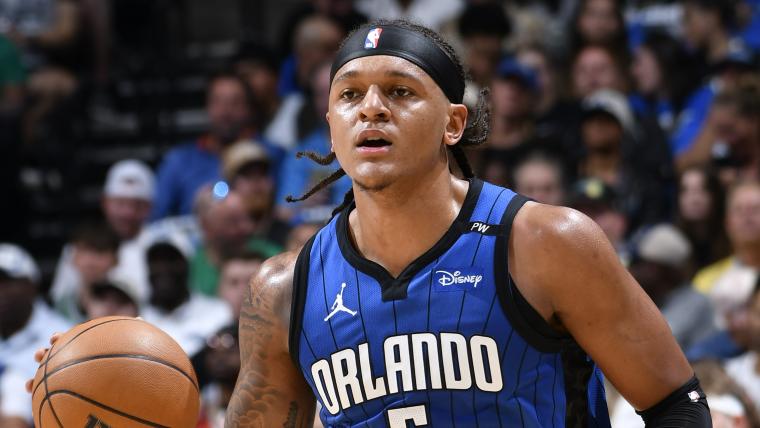
POLICY WIRE — Washington, D.C. — In the grand theater of power, where nations vie for influence and alliances shift with the prevailing winds, there’s a peculiar echo found in the most unexpected arenas: professional sports. The precariousness of a hard-won advantage, the psychological toll of imminent defeat, the sheer audacity of an underdog’s resurgence — it’s all there, writ large, on a hardwood court in Florida. And that, dear reader, is precisely the crucible the Orlando Magic find themselves in as they host the Detroit Pistons for a make-or-break Game 6.
It’s not merely a basketball game; it’s a referendum on civic pride, an economic bellwether, and a stark reminder that even the most dominant entities can stumble at the threshold of victory. The Magic, once cruising with a commanding 3-1 series lead, now find themselves staring down a resurgent Pistons squad that refuses to adhere to the script. That’s the thing about certainty: it’s often an illusion, isn’t it?
Orlando, a city often synonymous with tourism — and orchestrated fantasy, now grapples with a much rawer reality. They’re at home, yes, but the weight of expectation is palpable. A loss here wouldn’t only prolong a grueling series but would also represent a significant psychic blow to a franchise that has, until recently, projected an image of ascendant dominance. The unexpected absence of star forward Franz Wagner, sidelined with a critical injury, only exacerbates the Magic’s predicament, turning a clear path into a perilous labyrinth. It’s a key vulnerability exposed at the worst possible moment.
And then there are the Pistons. Detroit, a city that has weathered its own profound economic and social tempests over the decades, projects a certain gritty resilience. This isn’t just about basketball for them; it’s about a stubborn refusal to be counted out. Their historical moniker, the ‘Bad Boys,’ wasn’t just a marketing ploy; it was a testament to a defiant, confrontational ethos. They’ve clawed their way back, embodying the very spirit of a comeback story that resonates far beyond the confines of sports. A win tonight would be more than just a victory; it’d be a narrative coup.
Still, the odds remain formidable. History, that stern arbiter, reminds us of the stark statistical reality: only 13 teams in NBA playoff history have ever overcome a 3-1 series deficit, according to data compiled by NBA.com. This isn’t merely a challenge; it’s an Everest of sporting accomplishment that the Pistons are attempting to scale. Orlando, for its part, doesn’t want to become the 14th team to capitulate under such pressure.
“The energy in Orlando is electric, but it’s also tinged with a real sense of urgency,” shot back Orlando Mayor Anika Sharma in a press briefing earlier this week, her voice carrying an undercurrent of resolve. “Our city thrives on success, — and our team’s performance reflects directly on the morale and dynamism of our community. We expect them to close this out on our home court; anything less would be a deeply missed opportunity for civic celebration and economic uplift.”
Meanwhile, Detroit City Council President Marcus Thorne offered a different perspective, his words laced with the pride of an underdog. “We’re not just watching a basketball team; we’re witnessing the indefatigable spirit of Detroit embodied on the national stage,” he declared, his tone firm. “This team’s fight, their refusal to yield, it’s a narrative that deeply resonates with our city’s own journey. They’re playing for something more than just a series win; they’re playing for the soul of our comeback story.”
📄 POLICY WIRE WHITEPAPER PUBLISHED: PAKISTAN'S NATIONAL SECURITY POLICY PRIORITIES
👉 READ BY CLICKING HEREBehind the headlines, the geopolitical undertones are unmistakable. The global reach of the NBA, for instance, means this specific contest isn’t just consumed stateside. Even in nations like Pakistan, where local sports dominate, a significant diaspora follows these high-stakes clashes, seeing in them allegories for their own struggles, their own aspirations for national identity and resilience against more powerful adversaries. The universal appeal of the fight for survival — be it on a basketball court or in the intricate dance of international relations — transcends borders, offering a shared human experience of competitive drama and the vicissitudes of fortune. (It’s a surprisingly potent psychological investment, really.)
At its core, this Game 6 is a stark demonstration of how rapidly perceived power can erode. The Orlando Magic’s imperative to close the series is a brutal calculus, mirroring the challenges faced by nations seeking to solidify their advantage in a volatile global landscape. A failure to capitalize on a dominant position isn’t just an athletic misstep; it’s a strategic blunder with tangible ripple effects. This isn’t just about an upset; it’s about the fragility of power itself.
What This Means
From a policy perspective, the outcome of this seemingly localized NBA playoff game carries surprisingly broad implications. For Orlando, a victory cements its image as a thriving, winning metropolis, reinforcing investor confidence and tourism appeal — vital components of its economic engine. A loss, conversely, could lead to a minor but discernible dip in civic morale, potentially impacting everything from local consumer spending to the political capital of city leadership. Mayor Sharma’s administration, for instance, would prefer to bask in the glow of a triumphant series close, rather than face questions about a missed opportunity.
Detroit, on the other hand, stands to gain disproportionately from an improbable victory. A Pistons win wouldn’t just be a sports story; it would be a powerful, affirming narrative for a city that has worked assiduously to shed its post-industrial decline image. It would bolster community cohesion, provide a psychological boost to its residents, and could even subtly influence external perceptions for business investment. The resilience displayed by the team would become a metaphor for the city’s own ongoing resurgence, validating the efforts of leaders like Council President Thorne.
Economically, prolonged playoff series translate to increased local revenue from game-day spending, media rights, and merchandise. However, the psychological cost of a blown lead for the favored team — or the profound boost for the underdog — can have longer-term, less tangible but equally consequential effects on civic identity and pride. It’s a microcosm of policy decisions, where short-term gains are weighed against long-term societal impacts. This isn’t just entertainment; it’s a high-stakes lesson in managing expectations, confronting adversity, and—crucially—executing under immense pressure. The stakes couldn’t be clearer.