


Ocean’s Grim Haul: Cruise Ship’s Tragic Discovery Puts Maritime Perils in Focus
POLICY WIRE — Fort Lauderdale, Florida — For all its swanky amenities and meticulously planned itineraries, the open ocean, it turns out, isn’t just an untamed frontier; it’s a capricious...

POLICY WIRE — Fort Lauderdale, Florida — For all its swanky amenities and meticulously planned itineraries, the open ocean, it turns out, isn’t just an untamed frontier; it’s a capricious beast, quite capable of doling out gargantuan heartbreak even to the most spick-and-span vessels. That harsh truth really hit hard this week when a cruise ship, usually a beacon of unfettered leisure, instead found itself a somber participant in a dismal unearthing.
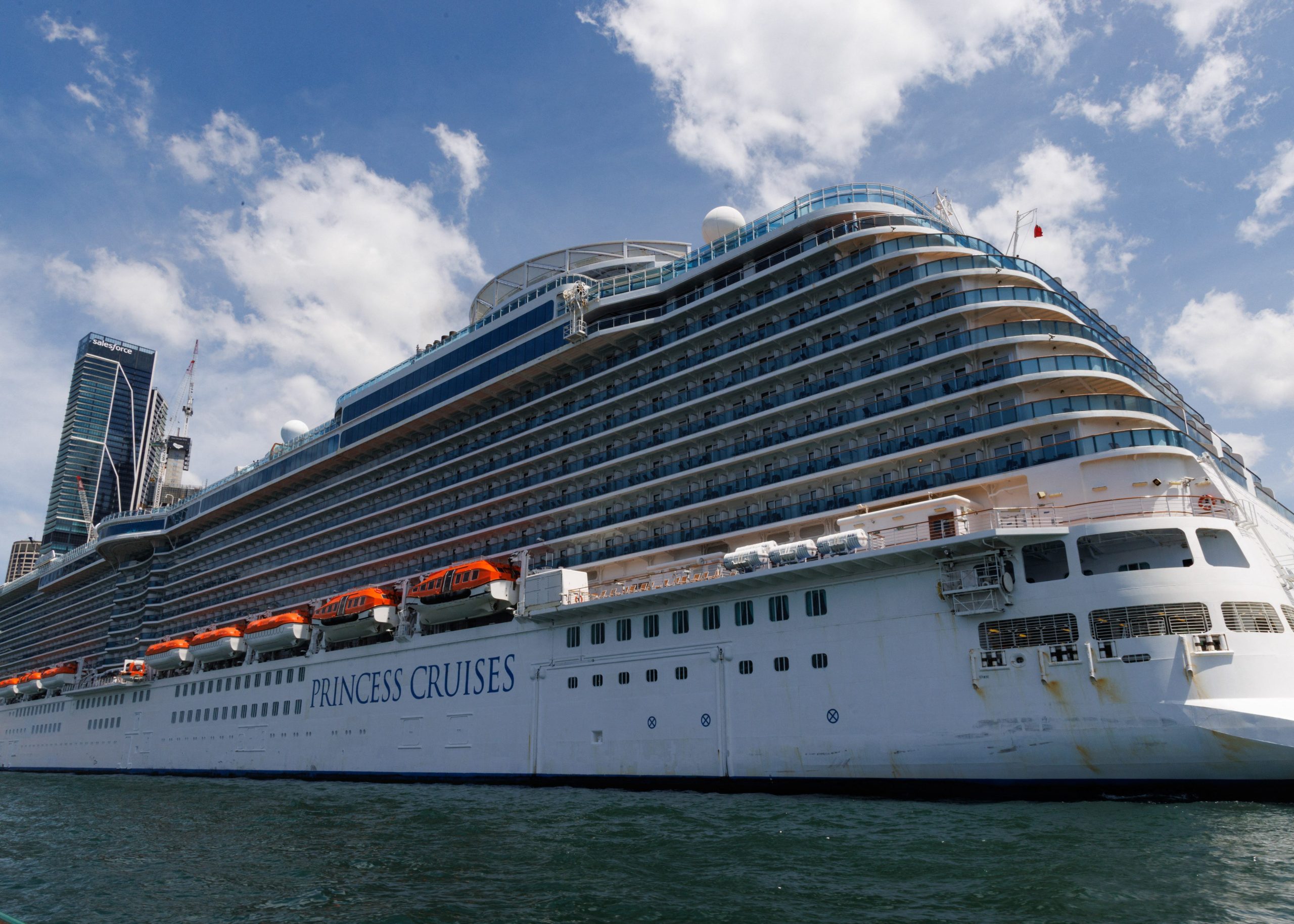
Bulletins affirmed that a Princess Cruises ship, of all things, pulled five deceased individuals from the high seas—an occurrence that just *casts* a long, chilling shadow over the usually buoyant cruise industry. Imagine the scene, won’t you?: passengers, expecting nothing but relaxation and maybe a bottomless mimosa, suddenly face-to-face with nature’s raw, unforgiving side, a stark reminder of the ocean’s immense, indifferent power. A grim reality, that.
Now, whilst the deceased’s identities aren’t yet confirmed, that dismal retrieval immediately triggered a multi-agency inquiry. Officials aren’t speculating on the exact circumstances just yet, but the sheer fact of a recovery at sea — especially one involving so many — underscores the formidable impasses maritime authorities globally grapple with, don’t you think? No easy answers here.
For Princess Cruises, this whole occurrence embodies a profoundly disquieting chapter. Their spokesperson, Eliza Thornton, speaking for the cruise line, expressed profound sorrow, in a statement that, while standard, probably felt anything but to those directly impacted:
Our hearts go out to the families of those lost. This was a profoundly distressing event for everyone aboard our vessel, from the crew to our cherished guests. We’re cooperating fully with all relevant authorities.
And yet, such incidents, though uncommon for the big cruise lines, are truly a relentless, sorrowful substratum to global maritime activity. The ocean, especially its less-trafficked routes, isn’t just vast; it’s an unforgiving theatre. It’s a reality grasped keenly in regions like South Asia, where millions depend on sea travel for trade, sustenance, and, sometimes, desperate passage—a journey that’s often a last resort. The sheer enormity of these waterways often means that when calamity strikes, well, aid can be days, sometimes weeks, away. It’s a miracle it’s not worse.
As Dr. Aris Thorne, a veteran maritime safety expert with the International Maritime Bureau, starkly put it, the hurdles are gargantuan.
The sea doesn’t differentiate between a luxury liner — and a fishing boat. Every year, thousands are lost to its depths, often without a trace. These discoveries, though tragic, sometimes provide closure, but more often, they open new, heartbreaking questions.
Indeed, the United Nations High Commissioner for Refugees (UNHCR) reported that over 3,000 migrants died or went missing in the Mediterranean and Atlantic last year alone—a truly stark data point that hammers home the human cost of perilous global waterways, don’t you think?
The recovery effort itself? It was complex, requiring delicate maneuvers and, frankly, a super sensitive approach from the crew. It’s a scenario absolutely no one budgets for when booking a vacation, and it unquestionably etches an enduring imprint on those who witnessed it. Just awful.
What This Means
This discovery, whatever its ultimate genesis, serves as a stinging admonition of the ocean’s enduring perils and the often-invisible human tragedies that ceaselessly unfold upon its surface. For the cruise industry—a sector always walking a tightrope between luxury and latent risk—an occurrence like this, while it won’t directly affect passenger safety on board, can engender public apprehension and invigorated examination of emergency protocols and distress monitoring. It’s a delicate dance, isn’t it?
But politically, should the deceased be identified as hailing from a particular nation, or if their passage plainly suggests undocumented migration, it could well spark diplomatic conversations and invigorated pleas for international cooperation on maritime surveillance and humanitarian aid. Consider, for a moment, the bewildering complexities of international waters, where jurisdiction itself can morph into a vexing quandary—a labyrinthine problem requiring not just delicate, but *dogged* negotiation between sovereign states, often with their own competing agendas and historical grievances—and you’ve got a recipe for geopolitical ripple effects. Such incidents have, shockingly enough, even inadvertently shaped regional foreign policy dialogues in previous times.
Economically speaking, the immediate fallout for Princess Cruises might prove minimal, given the occurrence’s isolated character. However, any broader public perception of insecurity at sea could certainly ripple through the entire travel and tourism sector, particularly as it’s still limping back from recent global disruptions. There’s a subtle but quite palpable dread that descends when that carefully cultivated veneer of safety gets pierced, isn’t there?
Make no mistake: pinpointing remains found at sea is often an investigative — and diplomatic quagmire. Factors like capricious ocean currents, ravenous marine life, and prolonged exposure make positive identification incredibly vexing, requiring considerable assets and international coordination. This isn’t just about forensics, is it?; it’s fundamentally about reverence — and the entitlements of the deceased.
Related: From Albuquerque to Islamabad: New Mexico Journalist Covers High-Stakes Iran Peace Talks in Pakistan
So, what’s this incident truly laying bare? It’s a potent illustration that for all our dazzling technological advancements, humanity persistently remains fundamentally at the mercy of nature’s vast, impersonal indifference. The sea, that glorious source of life — and endless leisure, can, and often does, morph into a graveyard. Just like that.
Rear Admiral (Ret.) Hassan Siddiqui, a prominent Pakistani maritime security analyst, underscored the persistent human facet in such crises, a point he articulated with clear conviction.
While we invest in better ships — and advanced navigation, the core challenge remains vigilance and empathy. The ocean won’t forgive complacency. We must continue to push for better international search and rescue coordination and protocols that prioritize every life, regardless of their journey’s purpose.
The ongoing, grinding battle against the ocean’s inherent, indifferent dangers demands nothing less than unwavering international commitment and ceaseless innovation—a formidable challenge that simply isn’t disappearing anytime soon, and honestly, we’d be fools to think it would.