

Celebrity’s Mayoral Mischief: Pratt’s Law-and-Order Gambit Upends LA Politics Chatter
POLICY WIRE — Los Angeles, USA — When the lines between Hollywood’s gilded cage and the concrete realities of city hall blur, the resulting image can be less about governance and more about...

POLICY WIRE — Los Angeles, USA — When the lines between Hollywood’s gilded cage and the concrete realities of city hall blur, the resulting image can be less about governance and more about performance art. That’s exactly what unfolded recently, casting an odd, long shadow over the perpetual motion machine of Los Angeles mayoral aspirations—both real and imagined.
It wasn’t a policy paper or a town hall debate that seized headlines, but a celebrity’s off-the-cuff hypothetical involving a comedian, a recreational drug, and a proposed, rather severe, application of the law. This wasn’t about traffic gridlock or the homelessness crisis—perennial LA concerns—but about personal conduct in public view. The suggestion: a television personality, momentarily donning the figurative robes of mayoral authority, positing a swift punitive response to an entertainment figure simply engaging in a legal activity. [QUOTE_PLACEHOLDER]
Indeed, one might think civic discourse in California’s largest metropolis would steer clear of reality television stars and late-night hosts. But as public life becomes increasingly enmeshed with digital personas, the absurd often gains a surprising currency. We’re living in an era where celebrity opinion often carries more weight—or at least more virality—than carefully researched policy briefs. The underlying sentiment is clear: for some, the specter of what public figures do, even in hypothetical situations, remains a potent touchstone for moral and political judgment. It reflects a wider cultural friction that isn’t going away, not anytime soon.
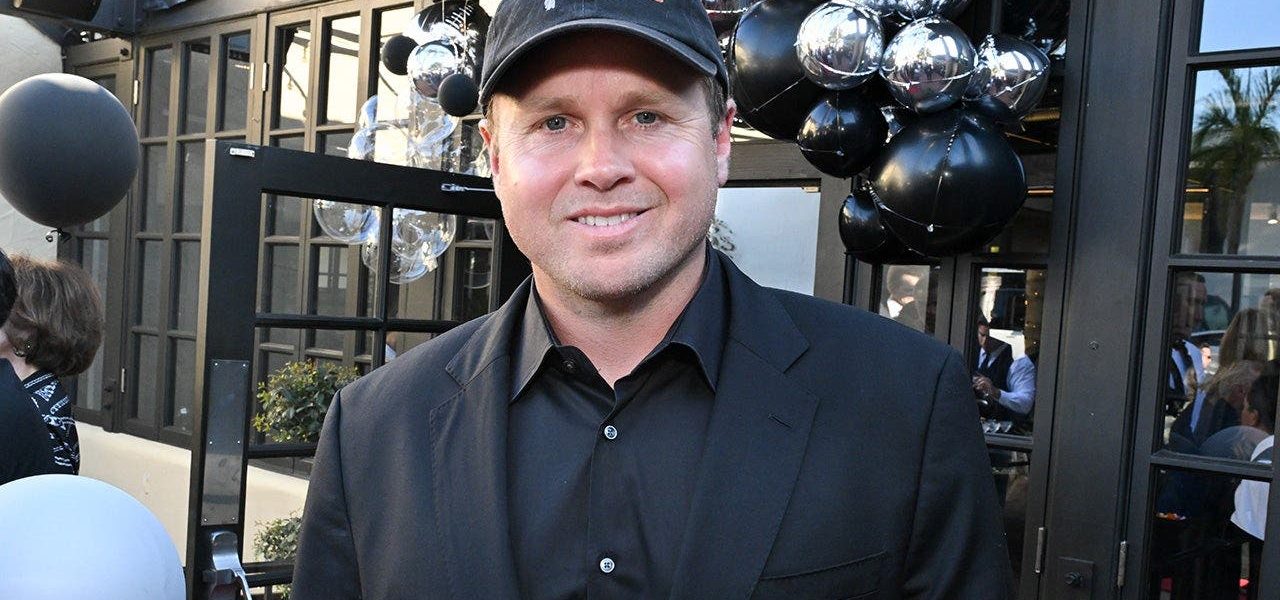
And so, the statement that captured a particular corner of the cultural zeitgeist was, in its entirety, as straightforward as it was outlandish: Spencer Pratt tells Bill Maher he would arrest him as LA mayor for smoking pot in front of kids. This single sentence encapsulates a multitude of anxieties—about public morality, parental responsibility, and the unpredictable whims of popular culture figures when they venture into political rhetoric. Pratt’s remark—delivered without a hint of genuine political acumen, but perhaps with a certain theatrical flair—is a symptom of a larger societal trend: the persistent yearning for simplistic solutions to complex societal challenges, and a corresponding readiness to deploy the blunt instrument of the law.
But the public’s perception of cannabis itself has shifted dramatically. A recent Pew Research Center study in 2023 indicated that 88 percent of Americans believe marijuana should be legal for medical or recreational use, a stark contrast to public opinion a few decades prior. So, what do we make of a pop culture figure — an unlikely candidate, certainly — suggesting such an arrest for an act that has found broad social acceptance, especially in California?
For one, it pulls into sharp focus the gap between evolving societal norms and the lingering, conservative impulses some individuals cling to, or, perhaps, perform for an audience. It’s a reminder that even in states with progressive drug laws, the ghost of prohibition continues to haunt public perceptions, particularly when children are involved. The mere mention of youngsters changes the conversation entirely, shifts the moral parameters in a heartbeat.
Then there’s the broader issue of celebrity engagement in politics. This isn’t just about a one-off remark; it’s about a cultural climate where the very idea of a Spencer Pratt or similar personality in a high-office mayoral role—even in jest—can momentarily capture more attention than, say, a detailed city budget proposal. That’s worrying, don’t you think?
What This Means
This odd moment, far from being just trivial gossip, signals a deeper friction in modern political discourse, especially in an urban landscape like Los Angeles. The very notion of an entertainment figure using law enforcement as a theoretical blunt instrument for a legal act underscores the precariousness of reasoned debate. It spotlights the challenge local governments face when trying to implement evidence-based policies in an environment often swayed by emotional appeals and performative outrage.
Economically, such talk, however hypothetical, contributes to a climate of unpredictability. Businesses—especially those in regulated industries like cannabis, which is a significant economic driver in California—rely on stable policy environments. Frivolous suggestions of arrests, even from non-policymakers, inject a casual uncertainty that isn’t healthy for investment or long-term planning. You wouldn’t want a public official to randomly decide to start arresting people for legal activities, now, would you?
Politically, it reflects a growing appetite for leaders perceived as ‘straight talkers’ or ‘outsiders,’ regardless of their grasp on actual governance. It’s a phenomenon that’s echoed globally; consider the populist movements sweeping various nations, often propelled by charismatic figures long on rhetoric but short on policy experience. The allure of celebrity, in many parts of the world, can often outweigh traditional political credentials. Look at the complex relationship between media, public figures, and legal interpretations in places like Pakistan, for instance, where celebrity comments, even those uttered outside political office, often ignite passionate public debate and even legal challenges related to public morality or societal values. The pressure on elected officials to conform to perceived popular moral standards, rather than legal frameworks, is immense.
for cities grappling with genuine problems—poverty, crime, infrastructure decay—this kind of sensationalist chatter deflects from substantive solutions. It implies a misplaced focus, privileging the dramatic over the foundational. When a hypothetical about a B-list star arresting a comedian for a cannabis offense grabs more attention than, say, discussions on affordable housing or clean energy initiatives (topics Policy Wire regularly covers), it suggests our collective attention span is being fractured by the spectacle. We need serious people addressing serious problems, not merely indulging in what sounds good for a fleeting news cycle. But that’s easier said than done, isn’t it? Perhaps it’s a sign we need to start valuing thoughtful policy more than the fleeting viral moment, and politicians who offer a coherent vision for the future, not just grandstanding. This kind of rhetoric? It’s not moving us forward.