
Nigeria’s Shifting Sands: Unlikely Bedfellows Upend Established Political Orthodoxy
POLICY WIRE — Abuja, Nigeria — A curious, almost theatrical realignment is underway across Nigeria’s vast, often cacophonous political stage, and it’s scarcely about conventional wisdom anymore. For...

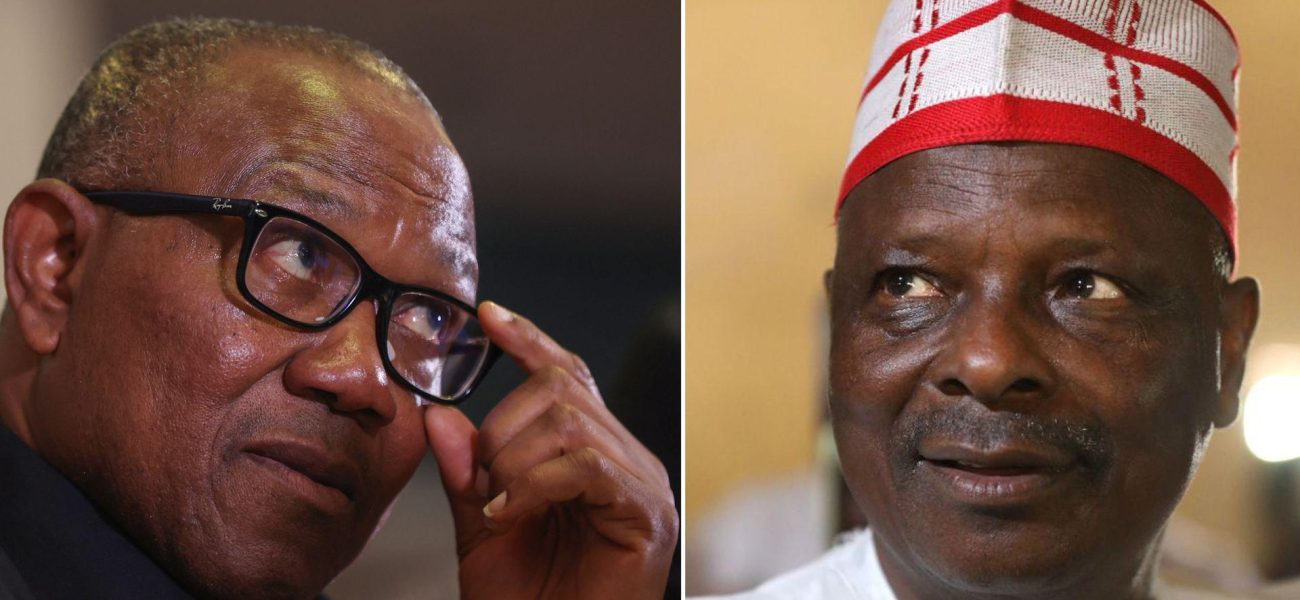
POLICY WIRE — Abuja, Nigeria — A curious, almost theatrical realignment is underway across Nigeria’s vast, often cacophonous political stage, and it’s scarcely about conventional wisdom anymore. For decades, the nation’s political currents flowed, somewhat predictably, along well-worn channels of regionalism, ethnicity, and faith. But a recent, startling embrace between a veteran northern chieftain and a formidable southern bloc, previously deemed anathema to each other’s aspirations, suggests those channels are now violently redirecting. It’s a move that isn’t merely shaking up the landscape; it’s re-drawing the very map.
Behind the headlines, this nascent entente—a political marriage of convenience, some contend, others call it a pact of survival—has sent tremors through every political calculation, from Abuja’s corridors of power right down to the bustling markets of Lagos. The move, brokered quietly over months, involves figures who, until recently, traded barbs with the ferocity of gladiators. Now, they’re sharing platforms, articulating a unified, albeit vaguely defined, vision for the nation’s future. It’s an arrangement that signals a profound pivot from the antagonistic posturing that characterized recent electoral cycles, pushing former adversaries into an uncomfortable, yet undeniably potent, embrace.
At its core, the impetus for this unprecedented rapprochement appears rooted in a shared, if unspoken, anxiety over the nation’s precarious economic footing and persistent security challenges. Nigeria, Africa’s most populous nation with an estimated 220 million people (United Nations, 2023), faces staggering youth unemployment and ongoing insurgencies, particularly in its northern regions. The scale of these problems, it seems, has begun to transcend traditional sectarian divides, forcing pragmatic, if cynical, handshakes.
“This isn’t about power grabs; it’s about strategic alignment for national progress, you see. We’re forging a broader consensus, a more resilient Nigeria,” asserted Mallam Yusuf Suleiman, the influential Minister of Information and National Orientation, during a recent press briefing. His words, delivered with a practiced gravitas, reflect the government’s narrative of unity — and forward momentum. But many aren’t buying it. Still, the optics are clear: old wounds are being bandaged, if not entirely healed, for a larger, immediate purpose.
So, what does this mean for ordinary Nigerians, many of whom are grappling with soaring inflation and pervasive insecurity? It’s a question that reverberates beyond Nigeria’s borders, finding echoes in the complex ethno-religious tapestries of South Asia. Just as nations like Pakistan navigate the delicate balance of diverse regional and sectarian interests to maintain stability, Nigeria too is wrestling with its myriad identities. The success or failure of these new alliances here could offer a significant precedent—or a cautionary tale—for addressing profound safety and governance issues across the Muslim world, where internal cohesion is frequently tested by external pressures and historical grievances.
📄 POLICY WIRE WHITEPAPER PUBLISHED: PAKISTAN'S NATIONAL SECURITY POLICY PRIORITIES
👉 READ BY CLICKING HEREAnd indeed, this strategic maneuvering isn’t without its detractors. Dr. Amina Bakare, a prominent political analyst and former diplomat, shot back during a television interview that this political capitulation was deeply suspect. “What we’re witnessing is less a grand strategic vision and more a frantic scramble for influence, a desperate reshuffling of the deck chairs as the ship lists. It’s unstable, profoundly so. Don’t mistake expediency for genuine reform.” Her assessment, reflecting a widespread skepticism, points to the inherent fragility of these hastily constructed pacts, especially given Nigeria’s volatile electoral history.
What This Means
This seismic shift carries consequential implications, both domestically — and internationally. Politically, it could either herald a period of unprecedented national unity—allowing for more decisive governance on critical issues like infrastructure and security—or it could fray further, producing an even more fractured political landscape. If these alliances prove durable, they might temper the often-incendiary rhetoric that has fueled ethno-religious divisions. Conversely, if they unravel, the ensuing political vacuum could empower fringe elements and exacerbate existing tensions, particularly concerning the contentious issues of resource allocation and regional autonomy. Economically, a semblance of political stability, however engineered, could attract much-needed foreign direct investment, potentially stabilizing the naira and mitigating the cost-of-living crisis. But investors, ever wary, will scrutinize the longevity of these pacts. An unstable political environment, despite these new alignments, would likely continue to deter the robust investment Nigeria desperately needs. Nigeria’s role as a regional hegemon in West Africa could be bolstered by internal cohesion, lending it greater leverage in international forums and in tackling shared challenges like terrorism and migration, impacting everything from broader ecological concerns to regional economic blocs. It’s a gamble, certainly, but one that Nigeria’s political class seems determined to play.